
Politics
Trump’s Military Strikes Against Drug Boats Spark Congressional Debate

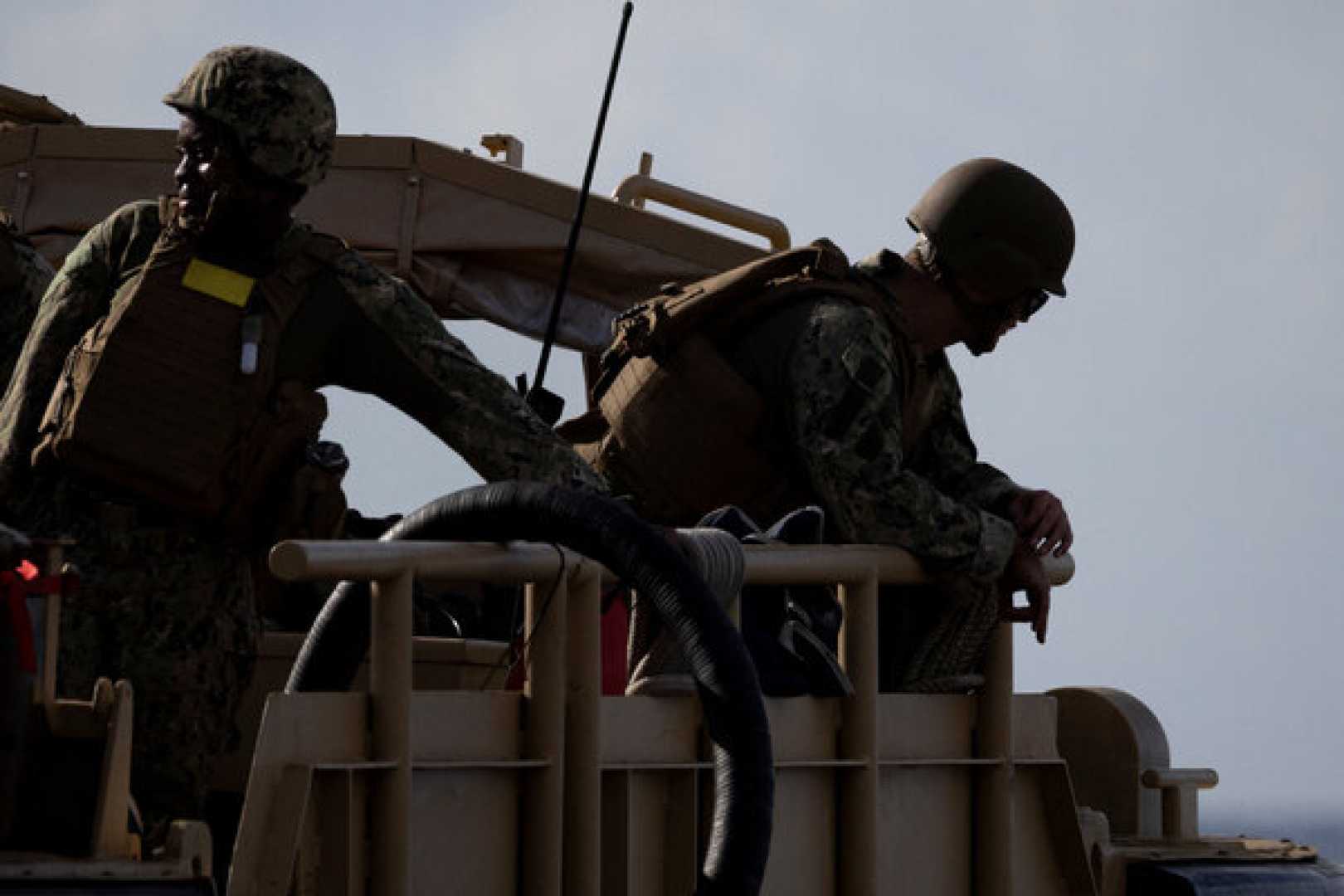
WASHINGTON (AP) — President Donald Trump and Defense Secretary Pete Hegseth have reported that the U.S. military has killed at least 37 people in nine strikes against drug-smuggling vessels in the Caribbean Sea and eastern Pacific Ocean over the past two months. Trump defends these attacks as necessary to halt the influx of drugs into America.
The president claims that the U.S. is engaged in an operation similar to the war on terror declared by the Bush administration post-9/11. However, these military actions have raised concerns in Congress, as they have been conducted without a formal declaration of war or proper legal investigations.
Some lawmakers argue there is insufficient evidence to justify the killings. An unusual increase in U.S. naval presence near South America has led to speculation about a potential intervention in Venezuela against President Nicolás Maduro.
On the first day of his return to the White House, Trump signed an executive order allowing certain criminal organizations, including the Venezuelan street gang Tren de Aragua, to be labeled as “foreign terrorist organizations.” This designation typically applies to groups like al-Qaida, rather than profit-driven crime rings.
U.S. intelligence has disputed Trump’s assertion that Maduro’s administration collaborates with Tren de Aragua in drug trafficking. Despite this, the Pentagon has deployed numerous warships and supporting naval forces to combat threats in the Caribbean.
In a recent strike, Trump claimed his forces targeted a drug-carrying vessel from Venezuela, alleging the attack killed 11 people, though a video accompanying his statement did not clearly show drug stashes onboard.
Concerns from senators have surfaced regarding the lack of legal justification for these military actions. Sen. Tim Kaine of Virginia was among many Democratic senators who asserted that the administration failed to provide proper legal grounds for the military strikes.
Venezuelan officials, including Interior Minister Diosdado Cabello, dismissed the allegations against those killed, questioning how the U.S. identified them as gang members.
As political debate deepens, Trump asserts that the military conducted thorough intelligence checks and that the strikes were against vessels associated with drug trafficking.
The U.S. military is in the midst of a large-scale operation that has involved multiple warships and airpower deployed in the region amidst these rising tensions. The ongoing military actions continue to attract scrutiny both domestically and internationally.
Republicans in the Senate recently rejected a proposal aiming to compel the president to seek legislative approval before any further military action against the drug cartels.
With ongoing controversies over the military’s use of lethal force, experts and lawmakers alike continue to call for transparency and oversight regarding these operations.


