
Politics
Judge Slams DOJ for Major Missteps in Comey Indictment

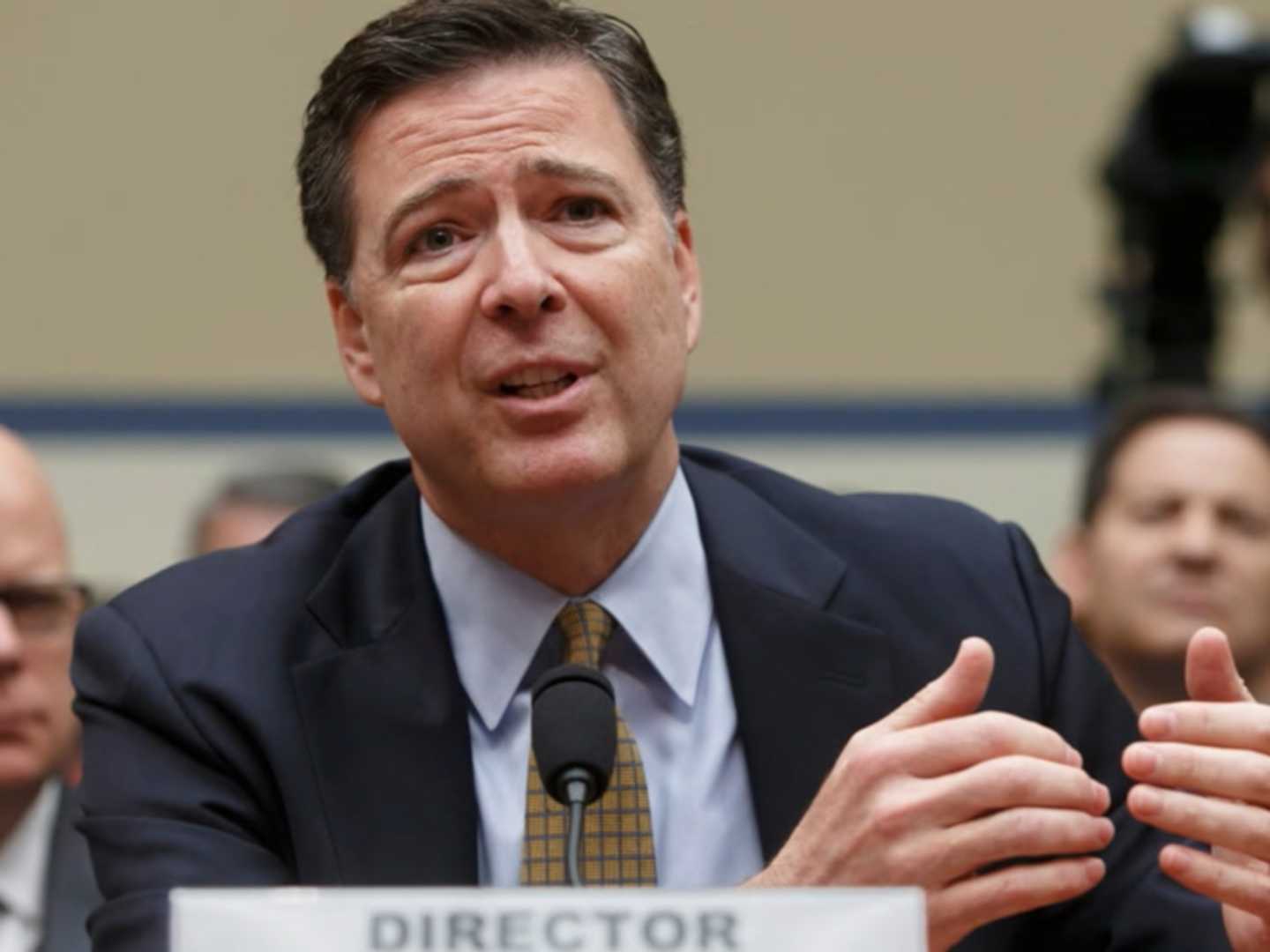
ALEXANDRIA, Va. — A federal judge ruled on Monday that the Department of Justice (DOJ) engaged in serious investigative errors while prosecuting former FBI Director James Comey. Magistrate Judge William Fitzpatrick ordered that grand jury materials be released to Comey’s defense team as concerns about misconduct have emerged.
Comey was indicted on September 25 on charges of lying to Congress and obstruction of justice regarding his testimony before the Senate Judiciary Committee in September 2020. He has pleaded not guilty, arguing that the prosecution is politically motivated and should be dismissed.
In his 24-page ruling, Fitzpatrick highlighted what he described as a “disturbing pattern of profound investigative missteps” by the DOJ. He pointed out fundamental misstatements of the law given to the grand jury, suggesting these could undermine the integrity of the grand jury proceedings.
The ruling follows a request from Comey’s lawyers for grand jury documents, as they believe irregularities in the process might taint the case. Fitzpatrick referred to problematic interactions between the prosecutor, Lindsey Halligan, and the grand jury, including a timeline that raised questions about the validity of the indictment.
The judge revealed that Halligan claimed to have last communicated with the grand jury right before they reached their decision. However, discrepancies in timing suggest a lack of sufficient opportunity for deliberation on a second count added to the indictment. Fitzpatrick addressed the possibility of significant procedural errors due to these timing issues.
“If the prosecutor is mistaken about the time she received notification of the grand jury’s vote on the original indictment, and this procedure did take place, then the transcript and audio recording provided to the Court are incomplete,” he stated.
Additionally, Fitzpatrick criticized the handling of four search warrants executed by the FBI during the investigation. The warrants targeted Comey’s friend and attorney, Daniel Richman, and sought access to various devices and accounts connected to him. Fitzpatrick expressed concern over the failure to properly engage Comey in discussions about potentially privileged materials during this process.
The judge noted that while there was no evidence that privileged communications were directly shared with the grand jury, the seized materials contributed significantly to the government’s case. Fitzpatrick remarked on the unusual allowance for an agent exposed to privileged information to testify before the grand jury.
Furthermore, Fitzpatrick condemned statements made by Halligan that suggested Comey’s decision not to testify could imply guilt. He firmly reiterated legal principles stating that no negative inference should be drawn from someone’s choice to remain silent.
The DOJ has until the end of the day on Monday to provide all grand jury materials to Comey’s defense team. Meanwhile, the U.S. Attorney’s Office for the Eastern District of Virginia has not commented on the ruling, and Comey’s lawyers also declined to comment.


