
Politics
U.S.-Backed Peace Plan Draws from Russian Document, Sparks Controversy

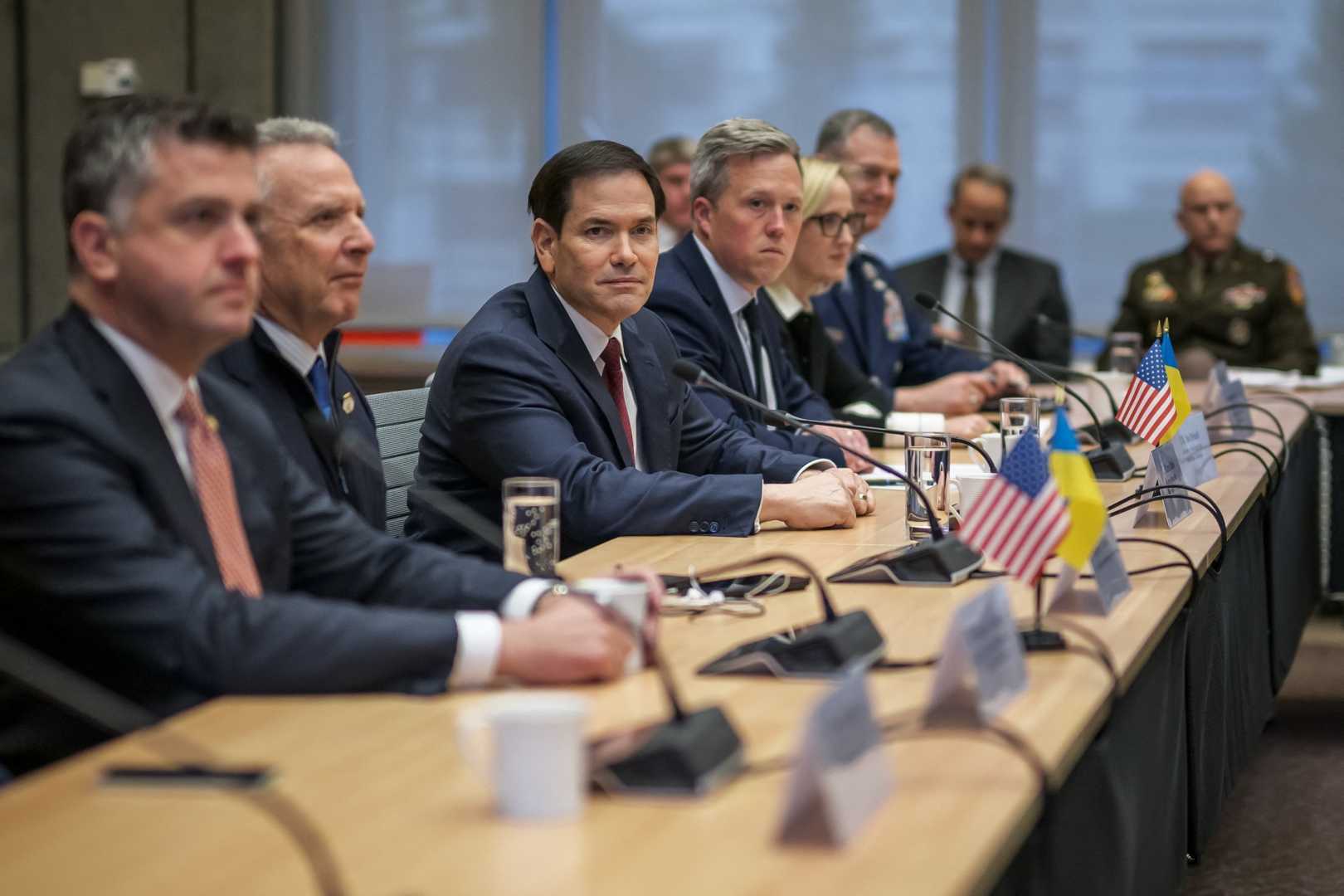
Washington, D.C. — A U.S.-backed 28-point peace plan to resolve the ongoing conflict in Ukraine has raised eyebrows after it was revealed that the plan drew from a Russian-authored document submitted to the Trump administration in October.
Sources familiar with the matter report that the Russian government shared this non-official communication, known as a “non-paper,” with senior U.S. officials following a meeting between President Donald Trump and Ukrainian President Volodymyr Zelenskiy in Washington. It reportedly contained demands that included significant territorial concessions that Ukraine had previously rejected.
This confirmation marks the first time since the document’s existence was reported by Reuters in October that it has been linked to the peace plan. The U.S. State Department, along with the Russian and Ukrainian embassies in Washington, did not respond to inquiries regarding the matter.
In a statement, President Trump expressed optimism about the peace plan’s development, indicating he directed his Special Envoy Steve Witkoff to meet with President Vladimir Putin in Moscow, while Secretary of the Army Dan Driscoll would engage with Ukrainian officials.
Despite the coordinated effort, there is skepticism among U.S. officials and lawmakers who view the 28-point plan as a list of Russian demands rather than a genuine peace proposal. Some in the U.S. government, including Secretary of State Marco Rubio, reportedly believe that the plan’s demands would be outright rejected by Ukraine.
Rubio had previously held discussions with Russian Foreign Minister Sergei Lavrov about the Russian paper. He acknowledged receiving various written communications of a similar nature but declined to elaborate further during a recent press conference.
Further complicating matters, reports indicate that Trump’s son-in-law Jared Kushner and other U.S. officials met with Russian sovereign wealth fund leader Kirill Dmitriev in Miami last month to discuss the framework of this plan. Few within the State Department were briefed about this encounter.
In light of the global backlash against the initial proposal, nine points have been cut from the original 28, following discussions between U.S. and Ukrainian officials. Bipartisan U.S. senators were informed by Rubio that the plan was perceived more as a wishlist from Russia, a claim that was denied by both the White House and State Department.
Driscoll is currently in Abu Dhabi meeting with Russian officials, while Ukrainian representatives are present for talks involving U.S. officials. Ukrainian leaders have indicated a willingness to support modifications to the peace deal framework that emerged from recent negotiations but emphasize that misunderstandings about territorial issues must be resolved directly with Trump.


