
Politics
Trump Administration’s Foreign Policy Doctrine Raises Eyebrows

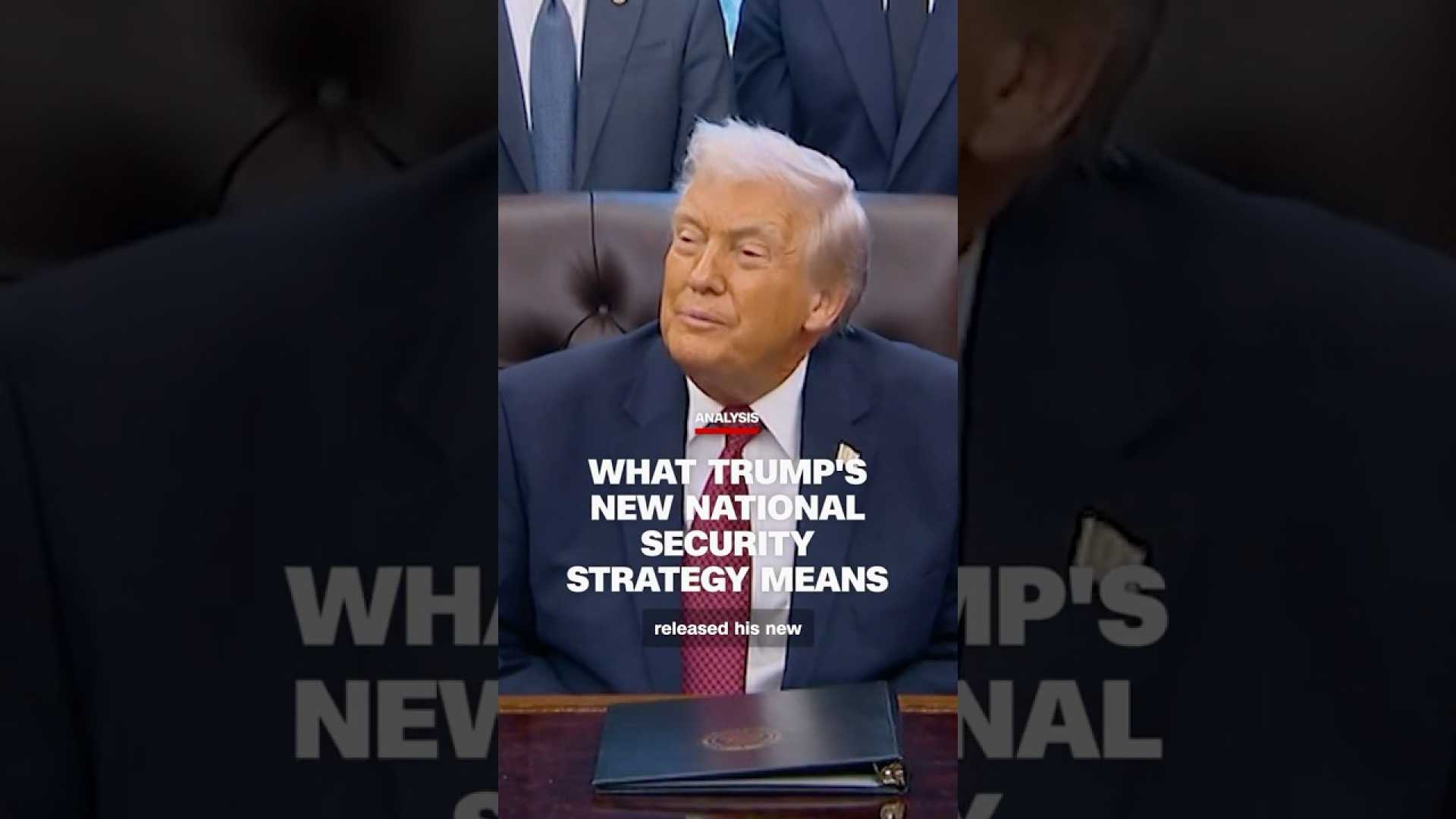
Washington, D.C. — U.S. President Donald Trump’s administration has unveiled a controversial new foreign policy doctrine titled “America Alone,” which outlines its foreign policy priorities in light of shifting global dynamics. Released on December 5, 2025, the 33-page document has been met with widespread criticism for its stark rejection of European allies and a focus on bolstering relationships within the Western Hemisphere.
“The days of the United States propping up the entire world order like Atlas are over,” the document states, emphasizing a shift in America’s global role. However, critics argue that the plan lacks clarity on America’s place in the world and fails to offer effective strategies for addressing rising global powers, particularly China.
In an attempt to recalibrate U.S. alliances, the doctrine proposes a “Trump Corollary” to the Monroe Doctrine, advocating for a focus on influence closer to home while disregarding long-standing partnerships with Europe. This approach is met with skepticism, as challenges with securing meaningful alliances in the Americas persist.
Moreover, the document contains controversial rhetoric, labeling European countries as suppressors of free speech and democracy. Vice President JD Vance has been quoted referencing the “great replacement” theory, which suggests that demographic changes in Europe could undermine U.S. alliances.
The document places heavy emphasis on “strategic stability” with Russia, criticizing Europe for its perceived hesitance in defending itself against Russian aggression, while oddly downplaying the threat posed by the Kremlin.
With the document’s focus on modifying foreign policy, critics express concern that it oversimplifies complex international issues, particularly those in the Middle East, while failing to outline pathways for meaningful resolutions. The “better late than never” tone might resonate with some, but many experts see a lack of seriousness amid pressing global challenges.


