
News
California Braces for Extreme Weather Amid Water Management Challenges

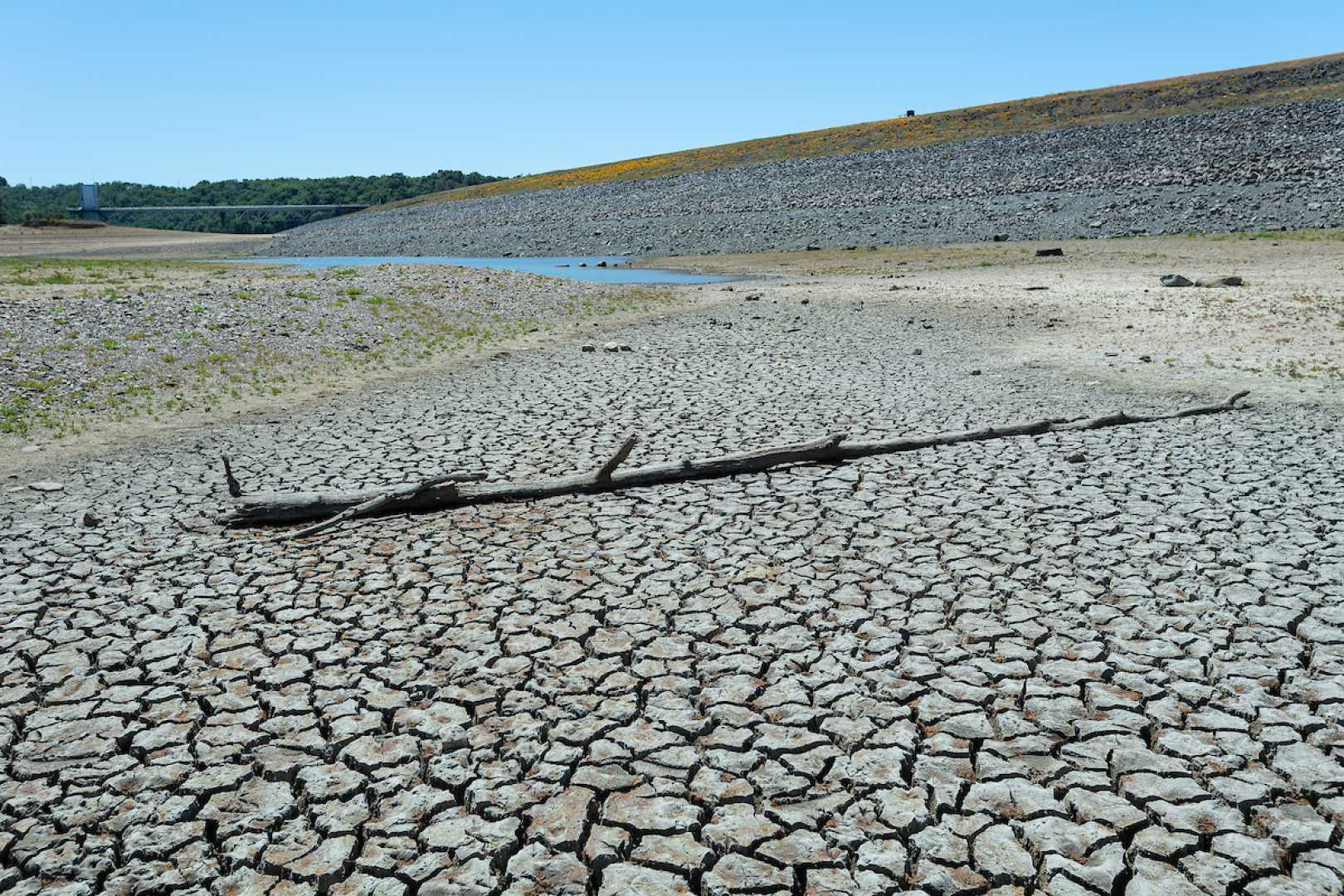
SACRAMENTO, Calif. — As California enters a new water year, officials are warning of potential extreme weather events ahead, compounded by ongoing challenges in water management. Recent models from the National Oceanic and Atmospheric Administration suggest a 71 percent chance of La Niña conditions this fall, tapering to 54 percent during winter.
State climatologist Michael Anderson indicated that La Niña patterns typically lead to drier conditions, but could also mean intense storms when precipitation does occur. “Expect extremes, with dry periods interrupted by long-lasting atmospheric river conditions,” he said during a virtual discussion on Tuesday.
Lake Oroville, the largest reservoir in the State Water Project, is currently at 109 percent of its average volume for this time of year. However, uncertainty looms over the upcoming winter weather patterns. Anderson pointed to cooler waters in the Pacific as indicative of the developing La Niña.
Recently, Governor Gavin Newsom announced a funding increase of nearly $219 million for the long-delayed Sites Reservoir project, seen as essential for addressing California’s water storage needs. “We can’t wait to protect our state from water shortages,” Newsom stated. The project aims to provide additional storage amid increasing water demands from California’s 40 million residents.
Despite efforts to bolster resources, farmers in California are feeling the strain under the Sustainable Groundwater Management Act (SGMA), facing rising fees as the agricultural sector strives to manage dwindling water supplies. According to the California Farm Water Coalition, outdated infrastructure continues to impact water distribution, with urgent improvements stalled by legal and political battles.
In the San Joaquin Valley, which produces a significant portion of U.S. crops, farmers are grappling with groundwater depletion. Deep well drilling has led to land subsidence, causing extensive crop loss due to flooding in recent years. Fifth-generation farmer Erik Hansen shared the harrowing impact on his operation, highlighting how 1,000 acres of his permanent crops were destroyed.
As the legislative session in California concludes, bills related to water management await decisions from Governor Newsom. Notably, Assembly Bill 1319 focuses on the review of species protections under state law, which could have implications for water use policies.
A coalition of water customers recently expressed their concerns regarding Del Oro Water Company’s service quality in Tulare County, calling for government investigations. As pressures mount over water availability and quality, California’s struggle to adapt to both extreme weather and strategic resource management becomes increasingly critical.


