
Entertainment
Classic Works from 1930 Enter Public Domain in 2026

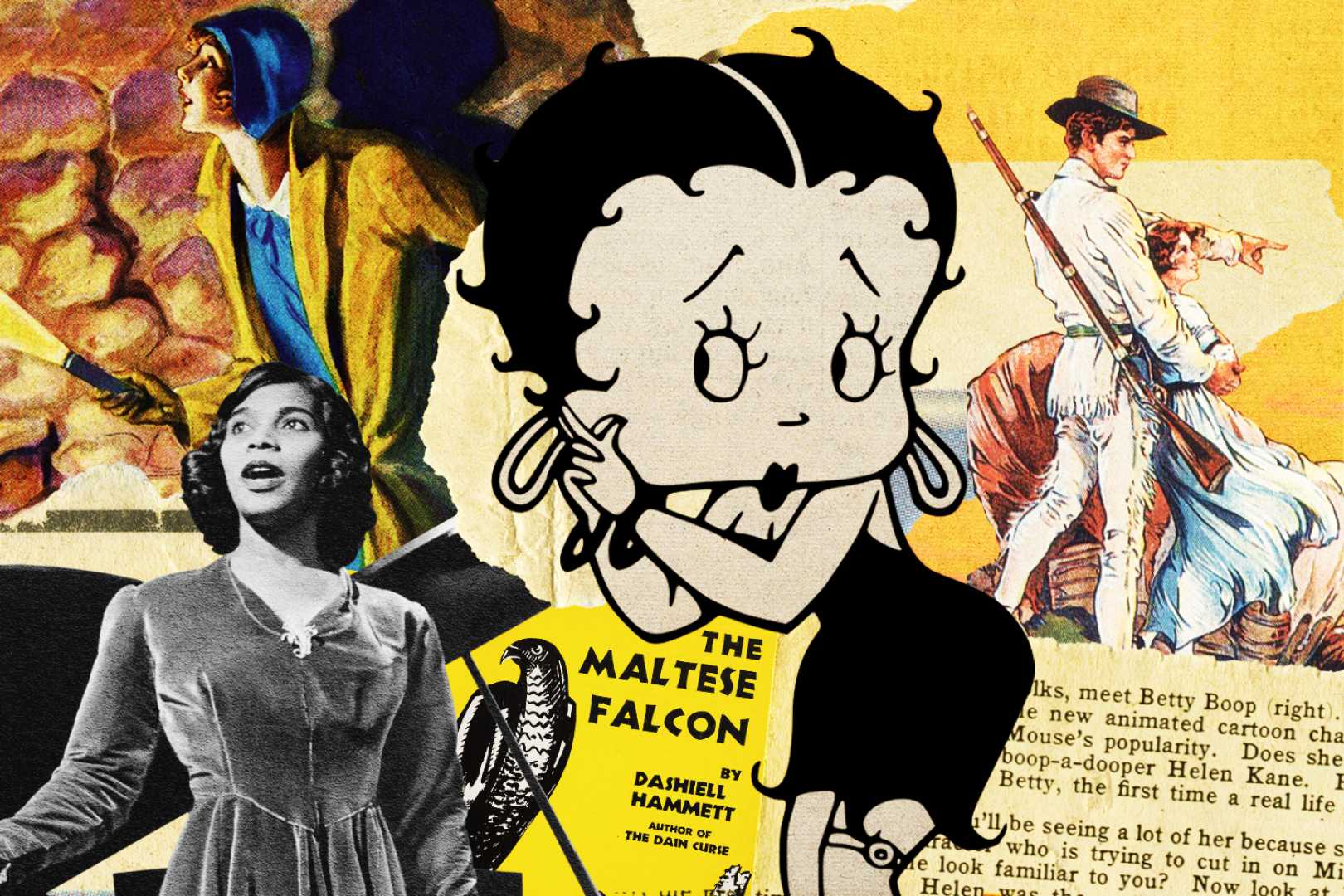
WASHINGTON, D.C. — Beginning January 1, 2026, a significant collection of works from 1930 will enter the public domain under U.S. copyright law. These works include films, books, musical compositions, and artwork that will be free for public use, sharing, and adaptation, marking nearly a century of protection.
Jennifer Jenkins, director of the Center for the Study of the Public Domain at Duke University Law School, expressed enthusiasm about the upcoming works. “I think this is my favorite crop of works yet, which is saying a lot,” Jenkins said. Among the notable entries is the original version of Betty Boop, first seen in the cartoon “Dizzy Dishes,” which features her iconic floppy dog ears.
Literary achievements in the upcoming public domain include William Faulkner’s “As I Lay Dying,” Dashiell Hammett’s “The Maltese Falcon,” and Agatha Christie’s “The Murder at the Vicarage.” Notable films entering the public domain include Alfred Hitchcock’s “Murder!,” Greta Garbo’s first talkie “Anna Christie,” and John Wayne’s early role in “The Big Trail.”
This year’s collection also consists of musical classics such as “Georgia on My Mind” and works by the Gershwin brothers. Jenkins emphasized the significance of these works, which reflect major artistic developments within two renowned animation studios, Fleischer and Disney. “That’s just a fun rabbit hole,” she said.
Jenkins and her team invested over 500 hours over several months to compile this list, showcasing works that are not just culturally significant but also a reminder of the creativity and investment of the time. She noted that seeing these works freely available can foster creativity and inspire new generations of artists.
Public access will allow the adaptation of works like Betty Boop without needing to seek permissions or pay royalties, marking a change in how these characters can be utilized in creative endeavors. Jenkins added, “What’s really fun is that people are excited about it—especially when they start recognizing these works.”
As the clock strikes midnight on January 1, 2026, the artistic treasures from 1930 will become available to all, inviting exploration and innovation in numerous forms of media.


