
News
Colossal Biosciences Moves Closer to Reviving the Dodo Bird

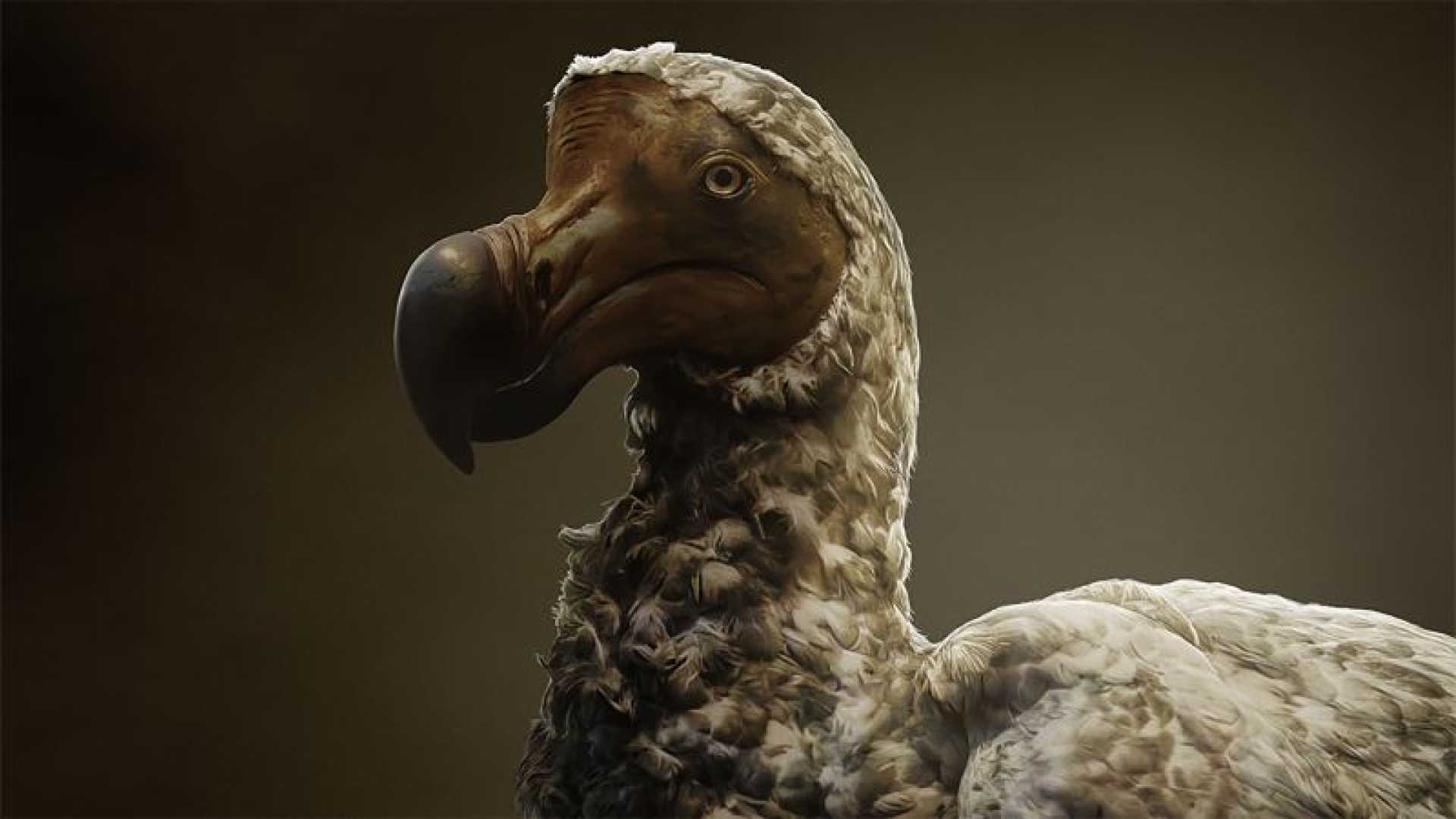
Dallas, Texas — Colossal Biosciences announced a significant advancement in its effort to bring the extinct dodo bird back to life. The company reported that it successfully cultured primordial germ cells from the rock dove, a close relative of the dodo.
The breakthrough, revealed on September 17, 2025, is a crucial step toward creating a version of the dodo, which has been extinct for over 400 years. According to Beth Shapiro, Colossal’s chief science officer, this achievement allows the team to progress further in their de-extinction project. “This is the really important step for the dodo project, but also for bird conservation, more broadly,” Shapiro said.
Previously, Colossal has made headlines for its attempts to resurrect other extinct species, including the woolly mammoth and the Tasmanian tiger. It raised an additional $120 million in funding, bringing the total to $555 million since its inception in September 2021.
Scientists are employing genetic engineering techniques to modify the cells of Nicobar pigeons, the dodo’s closest living relatives. The process involves breeding these birds to introduce dodo-like genetic traits—an endeavor that will take approximately five to seven years, according to CEO Ben Lamm.
Moreover, the company has established a breeding colony of Nicobar pigeons in Texas for this purpose. “Together, these advances… set the stage for using surrogate chickens to help bring back dodo relatives, and eventually the dodo itself,” stated the company.
However, some experts caution against the implications of de-extinction. Critics underscore the concern that these efforts may divert attention from current conservation challenges and argue that resurrecting extinct species is scientifically complex and ethically questionable. “By labeling genetically engineered modern species as extinct ones brought back from the dead… it’s a huge moral hazard,” said biologist Rich Grenyer.
Despite the controversies, Colossal remains confident that its work could pave the way for future conservation efforts, impacting existing endangered species positively. Shapiro noted, “If we can put back a large ground-dwelling fruit-eating bird… we anticipate that we will have some happy surprises.”
The ultimate goal remains to create sufficient genetic diversity in the restored dodo population to ensure their survival in the wild.


