
News
Daylight Saving Time Ends Soon: What You Need to Know

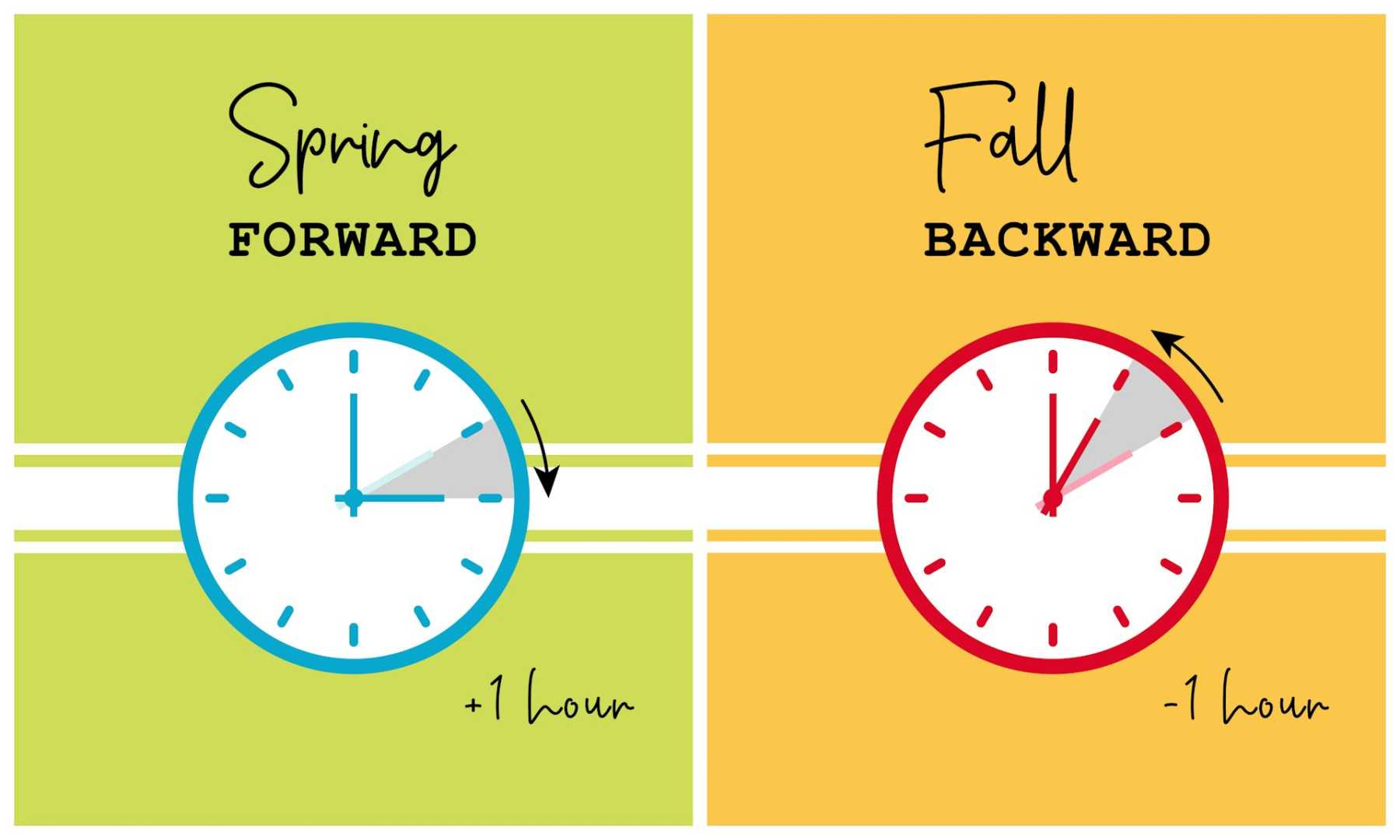
AUSTIN, Texas — Daylight saving time will come to an end on Sunday, Nov. 2, 2025. At 2 a.m. that day, clocks will fall back one hour to 1 a.m., giving residents across the United States an extra hour of sleep.
This year marks a significant transition as Central Texas experiences warmer-than-usual weather. However, the end of daylight saving time serves as an important reminder that winter is approaching.
Daylight saving time (DST) has its origins linked to World War I, when Germany first implemented it in 1916 to save fuel. The United States adopted it in 1918, though it saw fluctuating use until the Uniform Time Act of 1966 made it standard across the country.
Currently, only Arizona and Hawaii do not participate in DST, alongside U.S. territories like Puerto Rico and Guam. Overall, most states will revert to standard time on Nov. 2. This change is part of a broader discussion regarding the benefits and drawbacks of daylight saving time.
Many experts advocate for eliminating the time change altogether. Dr. James Rowley, a professor at Rush University, emphasizes the potential health risks associated with altering clocks, stating that the human body does not adjust well to the shifts. Supporters of permanent daylight saving time advocate for year-round sunlit evenings.
In recent years, a growing number of states have introduced legislation proposing to keep daylight saving time throughout the year. If Congress were to pass supporting legislation, it could allow states to adopt permanent DST.
As the end of daylight saving time approaches, local residents are advised to reset their clocks and check their smoke alarms’ battery life. Without a change in federal law, DST will resume again on March 8, 2026, continuing this biannual tradition.
For those accustomed to the time change, this adjustment may cause some confusion and disruptions in schedules, but it remains a routine part of life for many.


