
News
Dick Cheney, Architect of Executive Power, Dies at 84

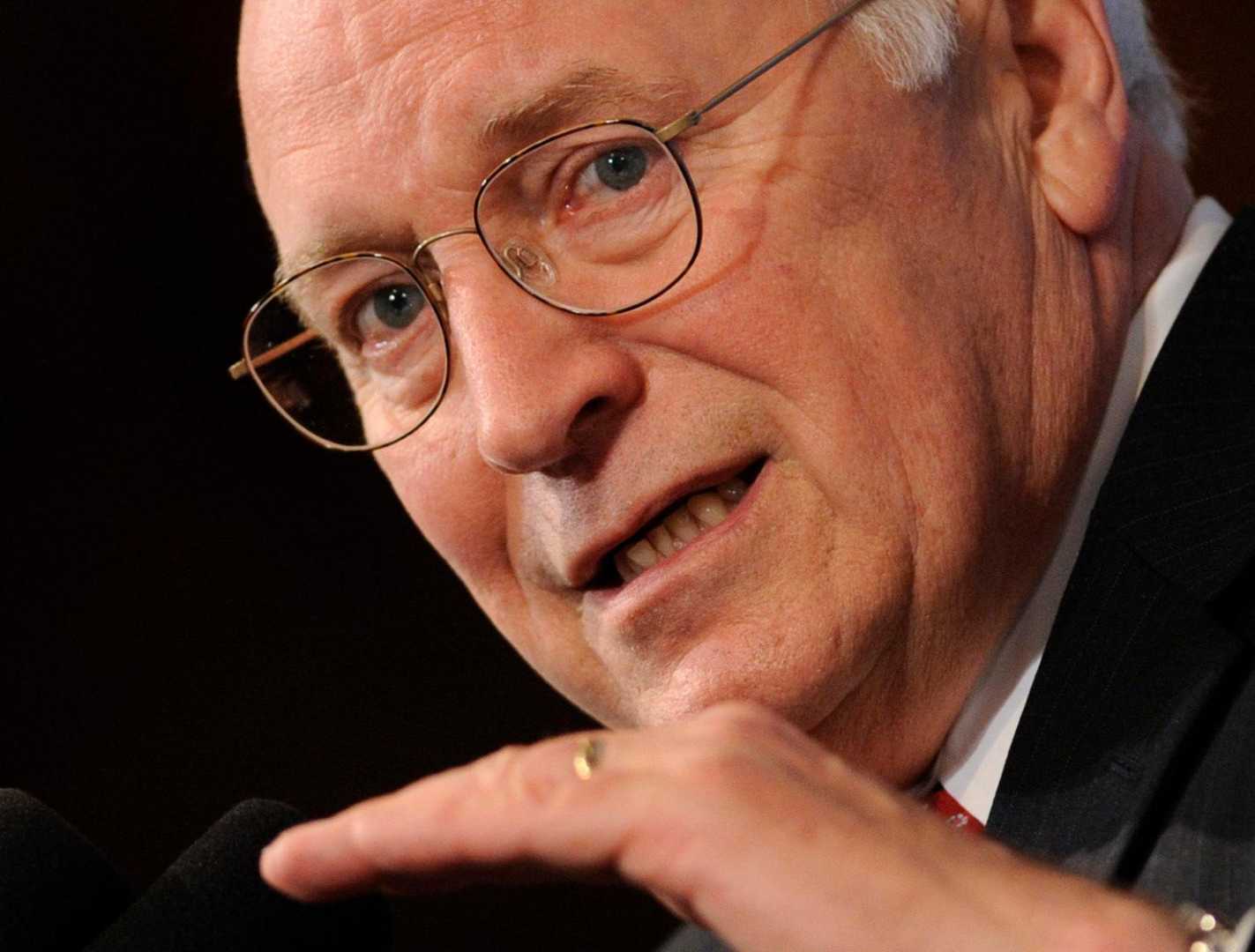
Washington, D.C. — Dick Cheney, the former U.S. vice president who played a significant role in expanding presidential powers, has died at 84. The White House lowered flags to half-staff in his memory, though there was no official proclamation acknowledging his passing.
Cheney, who served under President George W. Bush from 2001 to 2009, was a controversial figure in American politics. His push for the invasion of Iraq in 2003 over alleged weapons of mass destruction remains a point of contention among critics. However, his vocal opposition to former President Donald Trump is seen by some as a redeeming aspect of his legacy.
Many commentators view Cheney as a pivotal figure in the argument for a stronger executive branch. “Dick Cheney is the godfather of the Trump presidency,” said a director at the University of Minnesota. “Cheney had been at war for half a century against the restraints put in place after Vietnam and Watergate.”
Cheney’s belief in a unitary executive theory positioned the presidency as an institution with expansive powers, allowing the president to assert authority without congressional approval. This idea was shaped significantly during his tenure in the Ford administration, where he witnessed the aftermath of political crises following Watergate.
He consistently argued that legislative measures, like the War Powers Act of 1973, impeded effective presidential governance, particularly in matters of national security. “The erosion of presidential power has hindered the ability to respond decisively to threats,” Cheney stated in a 2005 interview.
After the 9/11 attacks, Cheney advocated for the Patriot Act and expanded surveillance measures that allowed for warrantless wiretapping of suspected terrorists. This broadened view of executive power continues to be echoed in contemporary policies, with the Trump administration employing similar justifications against drug cartels and other perceived threats.
Cheney’s ideas were rooted in a belief that the presidency needed a stronger hand in national security and foreign policy. Critics argue, though, that Trump has used these powers for personal gain, veering away from Cheney’s national security motives.
Cheney’s departure from direct politics was marked by a strong opposition to Trump’s actions, particularly regarding election integrity. His daughter, Liz Cheney, has also been a prominent critic within the Republican Party.
While some celebrate Cheney’s contributions to presidential authority, others caution that his legacy fuels the ongoing debate over balance between the executive and legislative branches. The implications of his ideology and how it’s being applied today will likely be dissected for years to come.


