
Politics
Kushner Plays Key Role in Gaza Peace Deal Amid Potential Conflicts of Interest

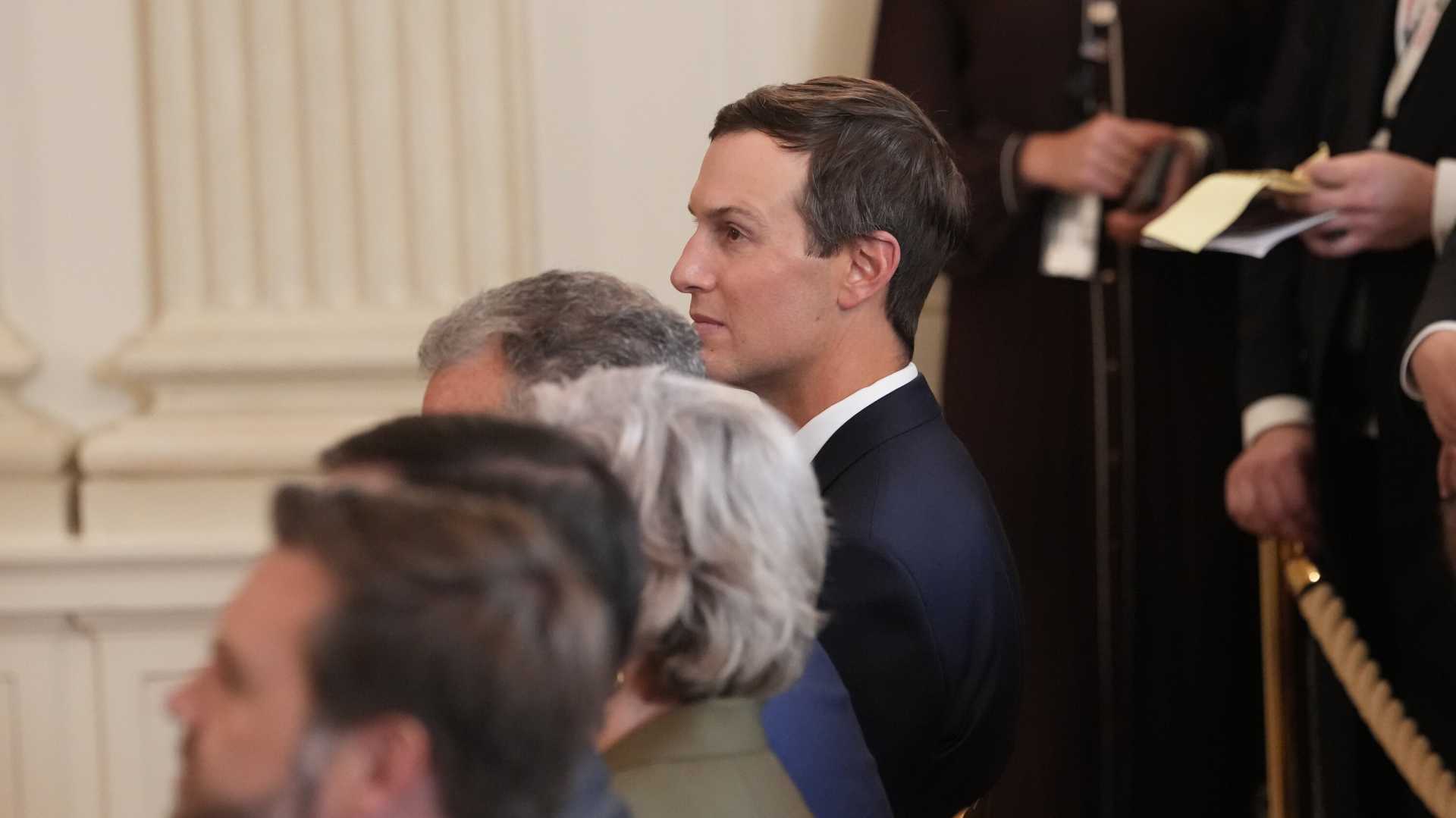
WASHINGTON, D.C. — Jared Kushner, former President Donald Trump’s son-in-law, has emerged as a pivotal figure in the ongoing negotiations to reach a peace deal in Gaza. Despite not holding an official position within the Trump administration, Kushner’s involvement has come into the spotlight following the announcement of a ceasefire agreement aimed at bringing lasting peace to the region.
Kushner, who has been connected to Middle Eastern leaders through his various business dealings, expressed his commitment to resolving the conflict during a recent statement. “Since October 7, my heart has not been complete,” he said, referencing the date of increased hostilities in Gaza. “I felt obligated to see the hostages come home, to see their families get the closure they deserve, and to end this nightmare.”
Critics have raised concerns over potential conflicts of interest stemming from Kushner’s role in diplomatic efforts while managing an investment firm, Affinity Partners, that deals with significant funding from Middle Eastern countries such as Saudi Arabia and Qatar. Matt Duss, executive vice president at the Center for International Policy, noted, “Of course there’s an enormous conflict of interest here,” but recognized the complexities of the situation, stating those financial ties might incentivize a peaceful resolution.
Despite these concerns, Kushner has been credited for establishing crucial diplomatic channels in the region. “He’s a very smart person and knows the region, knows the people, knows a lot of the players,” Trump stated when discussing Kushner’s role in the negotiations with Israeli Prime Minister Benjamin Netanyahu. Kushner’s approach reflects a blend of real estate negotiation tactics and diplomacy, a style that some suggest is necessary in addressing the historically fraught Israeli-Palestinian conflict.
Reports indicate that Kushner exercised considerable influence in facilitating a dialogue that ultimately led to the ceasefire, including discussions that involved Arab leaders and Hamas. His track record of fostering relationships with high-ranking officials has positioned him uniquely to mediate between conflicting factions.
However, questions linger about the sustainability of these developments, particularly as many view Kushner as inexperienced in foreign policy prior to his time in the White House. His previous involvement in drafting the initial Abraham Accords and working towards a peace agreement with the Israelis and Palestinians has had mixed reviews. Critics argue that Kushner’s business background lacks the necessary diplomatic context for navigating such a sensitive issue.
Amid this backdrop, the administration has denied any conflict of interest regarding Kushner’s dual roles. White House spokesperson Karoline Leavitt defended him, saying, “Jared is donating his energy and his time to our government and to the president of the United States, to secure world peace, and that is a very noble thing.”
As efforts to solidify the Gaza peace deal continue, the level of influence Kushner wields remains a focal point in discussions about U.S. foreign policy in the Middle East.


