
Business
Lower Payments Ahead for Student Loan Borrowers as IBR Changes Loom

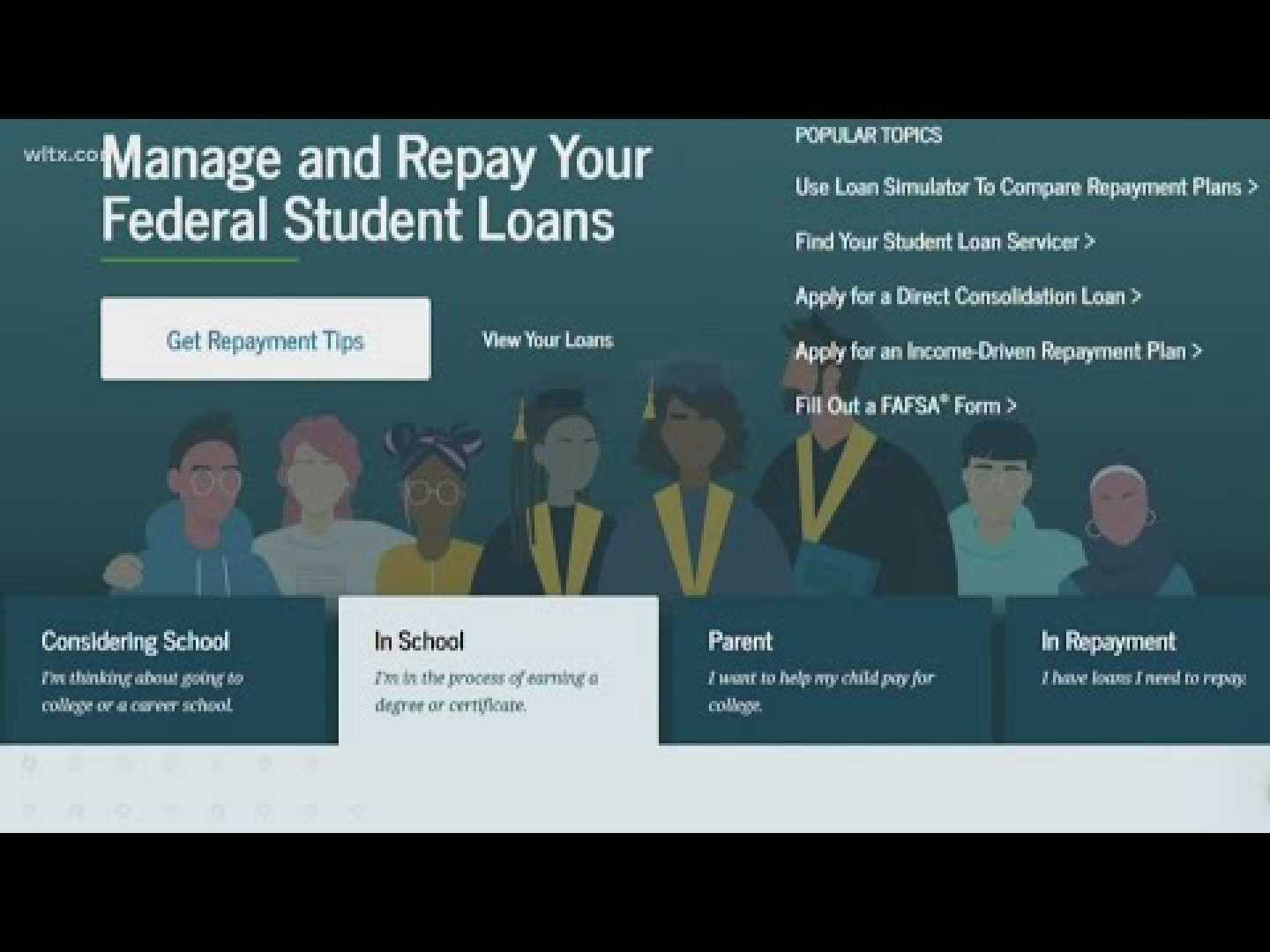
Washington, D.C. — The U.S. Department of Education is finalizing changes to the Income-Based Repayment (IBR) plan that could lower monthly payments for many student loan borrowers. Previously, applicants had to demonstrate a “partial financial hardship” to qualify for IBR. However, under President Donald Trump‘s fiscal legislation, this requirement will be waived, allowing broader access starting in December.
As outlined on the Education Department’s website, servicers are instructed to hold IBR applications that would have been denied under the old rules. With this significant policy shift, almost all federal student loan borrowers, including higher earners, will now be eligible for IBR.
Mark Kantrowitz, a higher education expert, noted that the IBR plan caps monthly payments at 10% of discretionary income, though this rises to 15% for certain loans. Remaining balances can be discharged after 20 or 25 years, depending on the loan’s origination date.
While more borrowers can access IBR, other repayment options are disappearing. The recent fiscal policy also phases out the Biden administration’s Saving on a Valuable Education (SAVE) plan, along with the Income-Contingent Repayment (ICR) and Pay As You Earn (PAYE) plans by 2028. This could affect up to 2.5 million borrowers currently enrolled in these plans.
Starting July 1, 2026, a new option called the Repayment Assistance Plan (RAP) will become available. This longer-term plan will offer debt forgiveness after 30 years but could lead to lower monthly bills for some borrowers.
Betsy Mayotte, president of The Institute of Student Loan Advisors, reassured borrowers that switching between repayment plans won’t affect their progress toward forgiveness. “All of these plans cross-pollinate, so whatever ‘count’ they have on ICR or PAYE will also count towards whatever plan they switch to,” Mayotte explained.
While some view these changes as positive relief, financial literacy instructor Alex Beene cautioned that even without hardship proof, high-income earners should consider their options carefully. “These plans were meant to assist those who financially needed the lower monthly payments. If you can afford to pay more, it’s smarter in the long term to pay that debt off as quickly as possible,” he advised.
As borrowers navigate the new rules, they can use various online tools to estimate their new monthly obligations under different repayment plans. The implications stretch beyond individual circumstances, as ongoing changes to eligibility criteria could affect public service loan forgiveness for those in certain employment sectors.


