
Entertainment
New Exhibit ‘Monuments’ Challenges Confederate Legacy Amid Renewed Installations

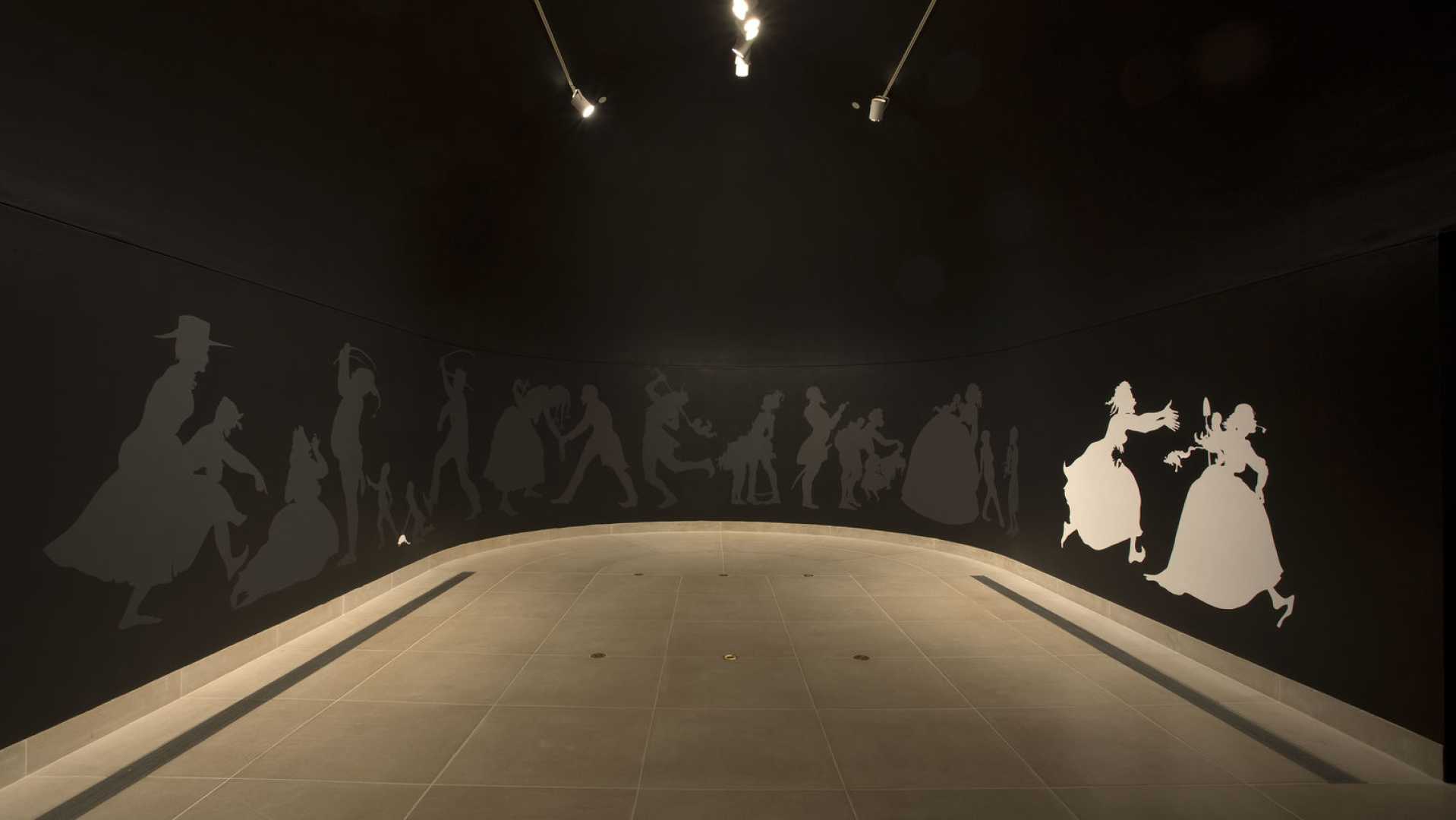
LOS ANGELES, California — The exhibition titled “Monuments” opens Thursday at the Museum of Contemporary Art (MOCA), featuring nearly a dozen removed Confederate statues and art that critiques their legacy. This provocative show runs through May 3, 2026, and comes at a time when some Confederate monuments are being reinstated.
The exhibit coincides with the political climate as President Trump reintroduces Confederate statues, including a statue of Gen. Albert Pike in Washington, D.C. and the “Reconciliation Monument” at Arlington Cemetery. “Monuments” was supposed to debut two years ago but has now taken on a new significance as America grapples with its history.
“Suddenly everyone thinks that we’re doing this in response to our president, which isn’t at all the case,” said MOCA senior curator Bennett Simpson, emphasizing that the project aims to reflect the current political moment.
Among the featured artworks is a statue titled “Confederate Women of Maryland,” flanked by works that evoke contemporary civil rights discussions. They highlight the emotional tensions surrounding these symbols, with some covered in graffiti demanding social justice.
The curators, including Simpson and Brick director Hamza Walker, have carefully curated this exhibition to showcase the decommissioned statues just as they were before removal, preserving their historical context.
Walker first envisioned “Monuments” after the 2015 shooting at Emanuel African Methodist Episcopal Church in Charleston, South Carolina, which catalyzed a movement against honoring figures of the Confederacy. The fate of Confederate statues has generated division: some advocate for their preservation with added historical context, while others call for their complete removal.
Most of the statues have been hidden away in storage. The pieces now on display were retrieved from various obscure locations, including warehouses and treatment facilities. The logistics of moving these controversial pieces posed challenges for curators, particularly following public outrages over Confederate symbols, such as the 2017 Charlottesville rally.
Artist Kara Walker‘s piece titled “Unmanned Drone” stands apart, as it transforms a statue of Confederate Gen. Stonewall Jackson into a new form devoid of its former significance. This sculpture, featuring a horse and a faceless Jackson, serves as a stark commentary on the legacy of these historical figures.
In a notable artistic juxtaposition, Walker’s work poses pointed questions about the role of such monuments in society today.
As the debate over Confederate monuments continues, “Monuments” invites visitors to confront history’s complexities through art.


