
Business
Nio Stock Rises as China Plans $8.92 Billion Subsidy for EV Trade-Ins

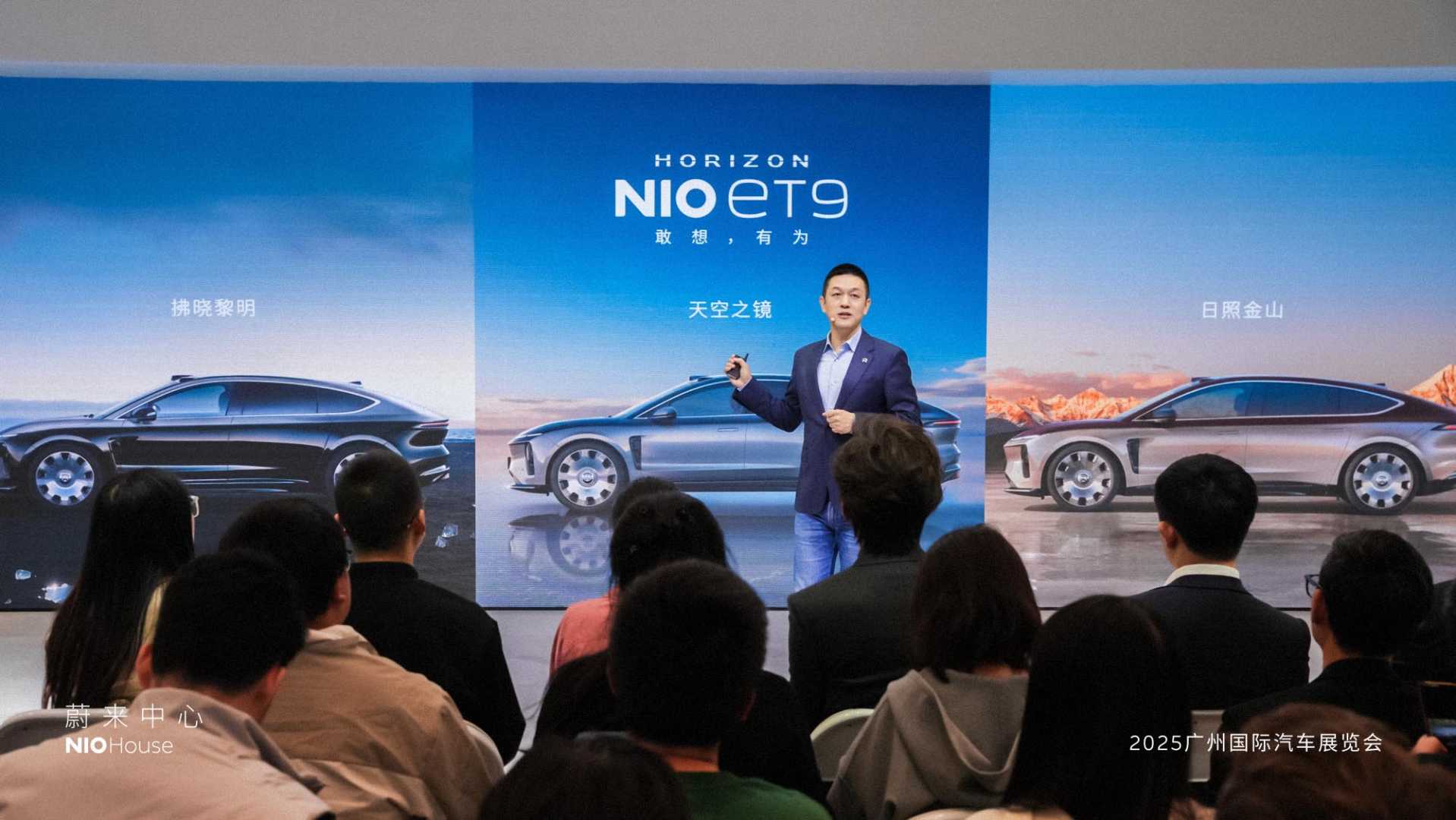
BEIJING, China — Nio Inc. (NYSE: NIO) shares closed over 3.5% higher on December 30, 2025, following China’s announcement of consumer trade-in subsidies worth up to $8.92 billion for the next year. This program aims to stimulate the economy, which has been facing deflationary pressures, according to the National Development and Reform Commission (NDRC).
Nio’s stock has experienced a steep decline in the last three months, falling more than 30% from its year-to-date high of October 2. The government’s move to incentivize consumer upgrades to new electric vehicles (EVs) is seen as beneficial for the company. The subsidies signal Beijing’s commitment to promoting EV adoption despite challenging economic conditions.
The company’s reliance on domestic demand makes this government initiative crucial as it prepares for increased sales and mitigates inventory risks going into 2026. Nio reported a projected sales target of over $4 billion for the fourth quarter, a significant growth from last year’s $2.7 billion. Analysts note the option market is also bullish, as contracts indicate that Nio could trade above $7 by mid-May.
Nio has been diversifying its product lineup, expanding into affordable EVs and enhancing its battery-swapping technology, which sets it apart from competitors like Tesla (TSLA) and Rivian (RIVN). The stock currently has a price-to-sales ratio of about 1.18, suggesting a better valuation compared to its larger rivals.
Despite the overall consensus rating on Nio remaining at ‘Hold’, price targets for the stock range as high as $8.50, indicating potential for a 55% upside. As Nio aims to post its first profitable quarter in Q4, the company faces ongoing scrutiny over its ability to navigate the competitive EV landscape in China.
On December 29, William Li, Nio’s founder and CEO, provided a positive outlook for Q4 sales, expecting to exceed 30 billion yuan ($4.27 billion). The latest reports indicate a substantial reliance on battery supplier Contemporary Amperex Technology Co. (CATL) as part of their strategy moving forward.


