
News
Ohio Faces Housing Crisis as Federal Funding Changes Loom

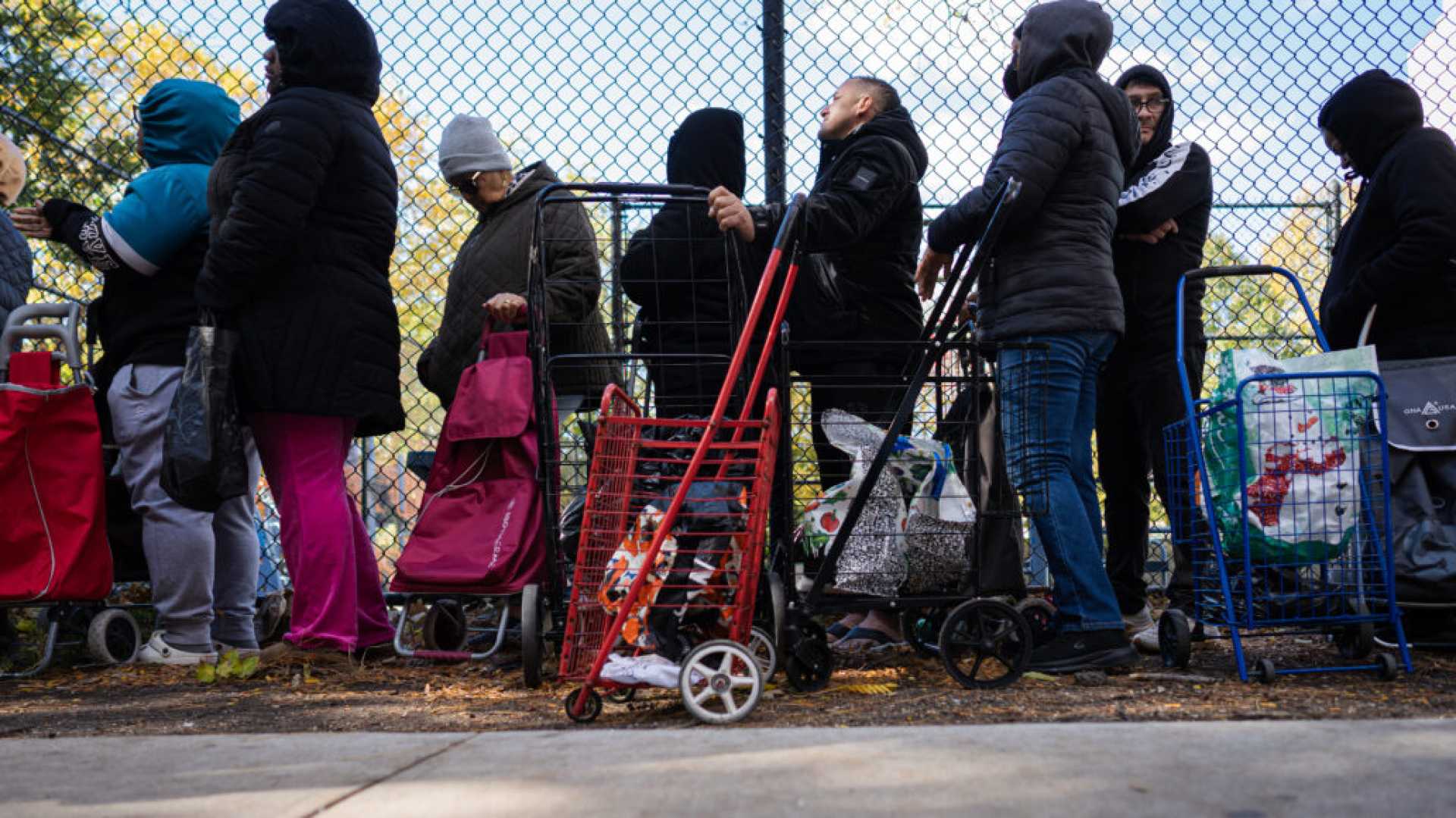
Dayton, Ohio – Abrupt changes in federal funding could lead to more than 13,000 Ohioans losing their homes, according to local groups that fight homelessness. The U.S. Department of Housing and Urban Development (HUD) plans to defund permanent housing programs for unsheltered people, shifting resources toward transitional housing.
This change may result in a loss of over $105 million in funding for permanent supportive housing across Ohio, with the Dayton area potentially losing more than $8 million. Local agencies are expected to compete for funding on a much larger scale than before, as the Dayton region might see a decrease of more than 1,000 permanent housing beds.
HUD officials claim these changes aim to improve accountability and foster self-sufficiency among vulnerable populations. Jessica Jenkins, director of Montgomery County Human Services Planning & Development, expressed concern about the impact of this funding shift on housing stability. “The changes could mean that formerly homeless households who have now found housing stability will be at risk again,” she said.
In mid-November, HUD Secretary Scott Turner announced significant alterations to the fiscal year 2025 Continuum of Care program. This program is the largest federal funding source aimed at combating homelessness. Turner explained that more funding would be allocated to transitional housing projects, which he believes are more effective for long-term recovery and self-sufficiency.
HUD stated that historically, a majority of funding had gone to programs labeled as “housing first”, which they describe as ineffective, contributing to dependency rather than addressing the core issues of homelessness. The proposed changes mark a major policy shift, with the program distributing around $3.9 billion.
According to Jenkins, Montgomery County Human Services Planning & Development utilized the Continuum of Care program to support over 26 local projects, receiving more than $16 million in the previous fiscal year with oversight from nine nonprofits and government agencies. She noted that the funding changes could deeply impact over half of the initiatives currently supported by these dollars.
The required competitive process for funding will now demand local agencies to vie for 70% of available money, a drastic increase from the previous year’s 10%. Furthermore, only about 30% of available project funding can be allocated to permanent housing beds.
Many in the community fear that local agencies will struggle given this new competition and criteria. Nearly 90% of local funding last year supported permanent housing, which housed more than 1,300 residents in the area. Amy Riegel, executive director of the Coalition on Homelessness and Housing in Ohio, emphasized the importance of the programs targeted by HUD for housing stability, stating, “Defunding these programs will force many of them to shut down, leaving their residents with few options but to return to the streets.”
According to the National Alliance to End Homelessness, 69% of permanent housing beds in Ohio are funded through the Continuum of Care program, with only one state having a greater percentage. In the Dayton region, about 80% of permanent supportive housing and 62% of rapid recovery beds rely on this funding source.
Permanent supportive housing is characterized by long-term, community-based housing paired with supportive services. In contrast, transitional housing is generally a temporary solution leading to permanent housing. Legal challenges have emerged against HUD’s changes, with 19 attorney generals and two governors filing a lawsuit claiming that the new policies violate Congress’ power to control spending.
Republican U.S. Rep. Mike Turner of Dayton, along with 21 other lawmakers, has sent a letter to HUD urging them to renew Continuum of Care grants for an additional year to prevent disruptions to crucial services, advocating for careful modernization of the program and its funding metrics.


