
Business
Oxford’s Word of the Year 2025: Rage Bait Dominates Online Discourse

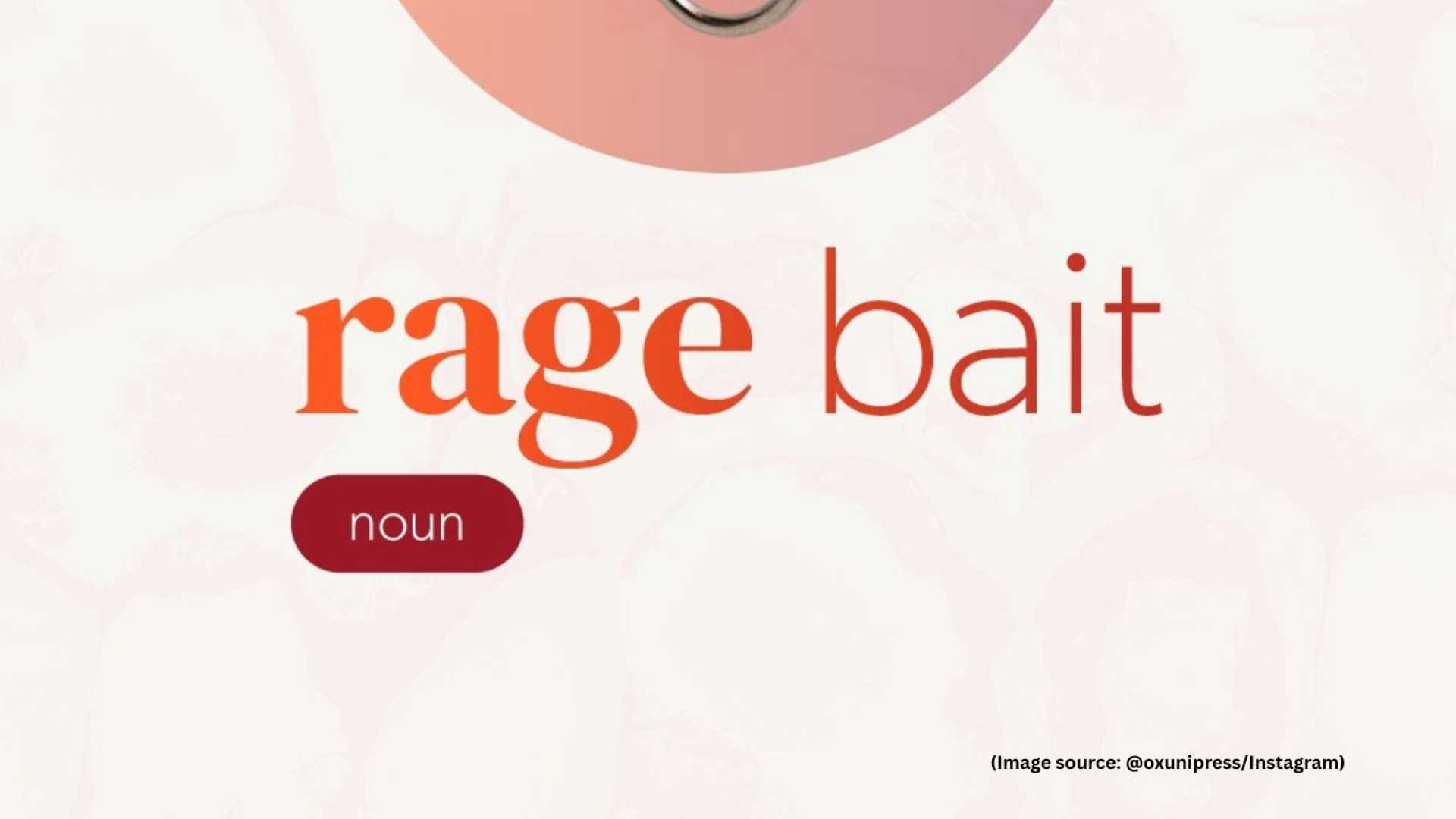
OXFORD, England — Oxford University Press has announced that “rage bait” is the 2025 Word of the Year. The term, which refers to online content specifically designed to provoke anger or outrage, saw a threefold increase in usage over the past year.
As social media increasingly shapes modern communication, rage bait has emerged as a common tactic for driving engagement. It beat out competitors such as “aura farming” and “biohack” to claim the top title.
Casper Grathwohl, president of Oxford Languages, explains that the definition of rage bait includes content that frustrates or offends intentionally to increase web traffic or social media engagement. He points out, “Before, the internet was focused on grabbing our attention by sparking curiosity in exchange for clicks, but now we’ve seen a dramatic shift to hijacking and influencing our emotions.”
The term rage bait has evolved from its earliest use in 2002 when it emerged on Usenet. Initially describing a driver’s reaction to being flashed on the road, it has transformed into slang that critiques social media content aimed at stirring outrage.
This year’s winner reflects a growing awareness of manipulation tactics in online spaces, where frustration can become a tool for engagement. Grathwohl noted that rage bait and the previous year’s winner, “brain rot,” create a vicious cycle of outrage and engagement amplified by algorithms.
Major dictionaries, including Collins and Cambridge, also chose words related to the influence of technology and online culture for their 2025 selections. Collins picked “vibe coding,” while Cambridge chose “parasocial,” highlighting the impact of digital relationships on society.
Rage bait’s recognition by Oxford underscores the evolving language around the digital landscape and the potential mental strain caused by constant exposure to provocative content. As online interactions become increasingly intertwined with daily life, the phrases we adopt reveal deeper societal issues regarding attention and emotional manipulation.


