
Entertainment
Oz Pearlman Dazzles Viewers on 60 Minutes, Skeptics Question His Talents

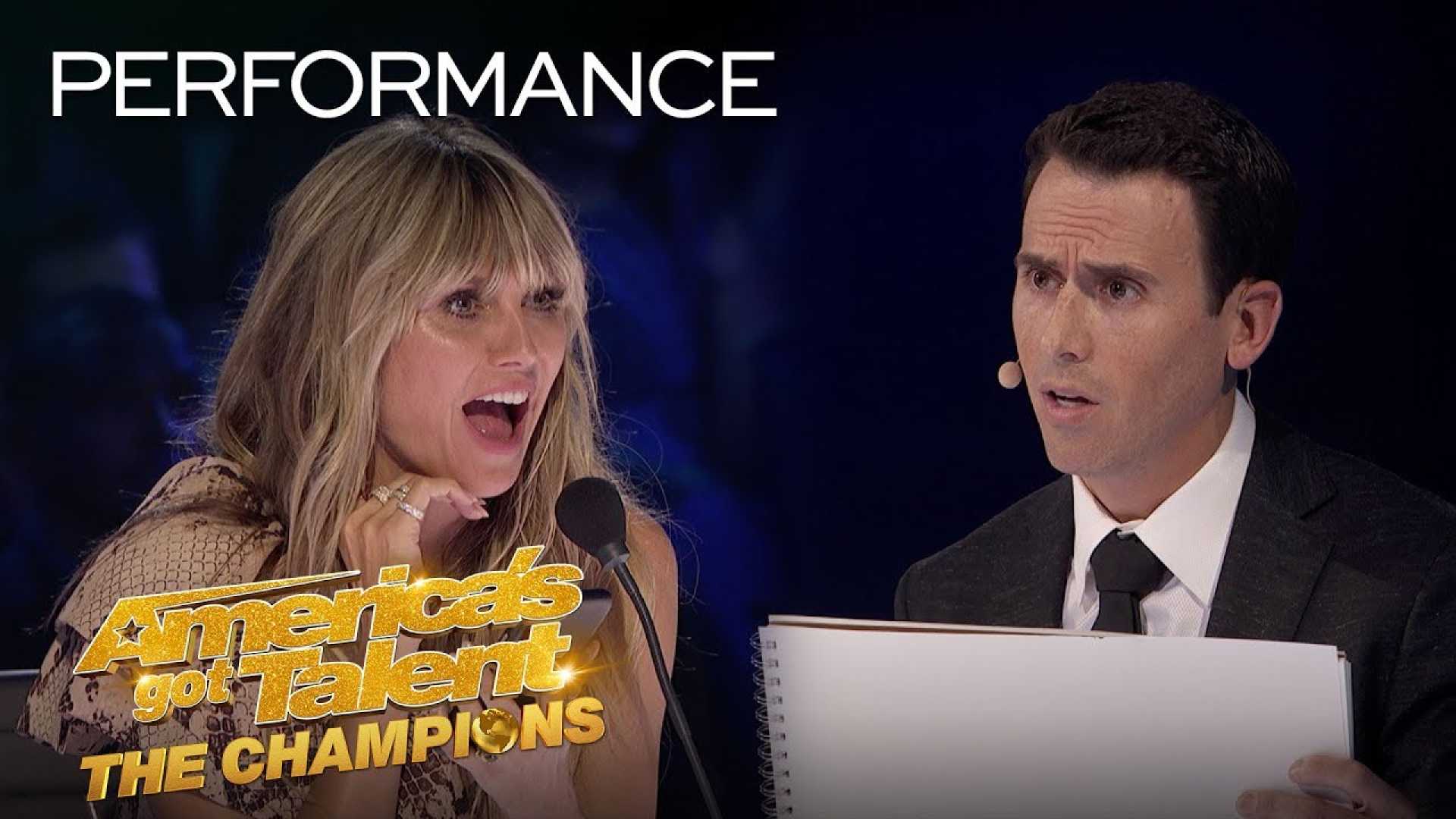
NEW YORK, NY — NFL star Russell Wilson gasped as mentalist Oz Pearlman seemingly plucked an ATM pin code from his mind during a segment on 60 Minutes. The longstanding news program featured Pearlman’s extraordinary acts, where he amazed correspondent Cecilia Vega by correctly guessing details from her childhood and dream vacation.
Despite the thrilling performance, skeptics warn that such ‘mind reading’ is merely an illusion crafted with clever tricks. Pearlman himself admitted, “My act is based on a big lie—that I can read minds,” implying that his skills stem from psychology, observation, and influence rather than supernatural powers.
James Randi, a late magician and skeptic, revealed the tricks behind similar performances by self-proclaimed psychics like Uri Geller in the past. Randi famously exposed how Geller’s feats relied on deception rather than genuine paranormal abilities.
In his performance, Pearlman utilizes keen observation of body language and speech patterns to build a psychological profile of his subjects. While he states, “I’m not a psychic, I just read people,” the tactics he employs resemble Geller’s methodologies.
Critics argue that media platforms like 60 Minutes often neglect rigorous scrutiny in favor of entertainment, potentially misleading the public into believing in the paranormal. As Mark Edward, a mentalist and skeptic, noted, the rush to present a sensational story often sidesteps basic fact-checking.
Historically, 60 Minutes has faced backlash for presenting similar segments on psychics and faith healers without adequate skepticism. Randi’s challenge offering a $1 million prize for anyone who could demonstrate true paranormal abilities remains unclaimed, underscoring the lack of scientific backing for such claims.
Homeopathy, which promotes treatments diluted beyond detection, similarly encounters scrutiny for its claims. Studies consistently show homeopathic remedies perform no better than a placebo, yet faith in its effectiveness persists.
The belief in holistic medicine, while appealing, can also mislead patients away from evidence-based treatments. Critics argue that without empirical support, such practices risk causing harm, potentially delaying effective healthcare.
Oz Pearlman’s performance dazzles audiences and media alike, but it also raises questions about critical thinking and the media’s responsibility in presenting claims. As belief in the paranormal remains widespread—67 percent of Americans report having a paranormal experience, according to a recent poll—it’s crucial for media outlets to provide the necessary context and scrutiny in their stories.


