
News
Philippines Faces Super Typhoon Fung-wong After Kalmaegi Devastation

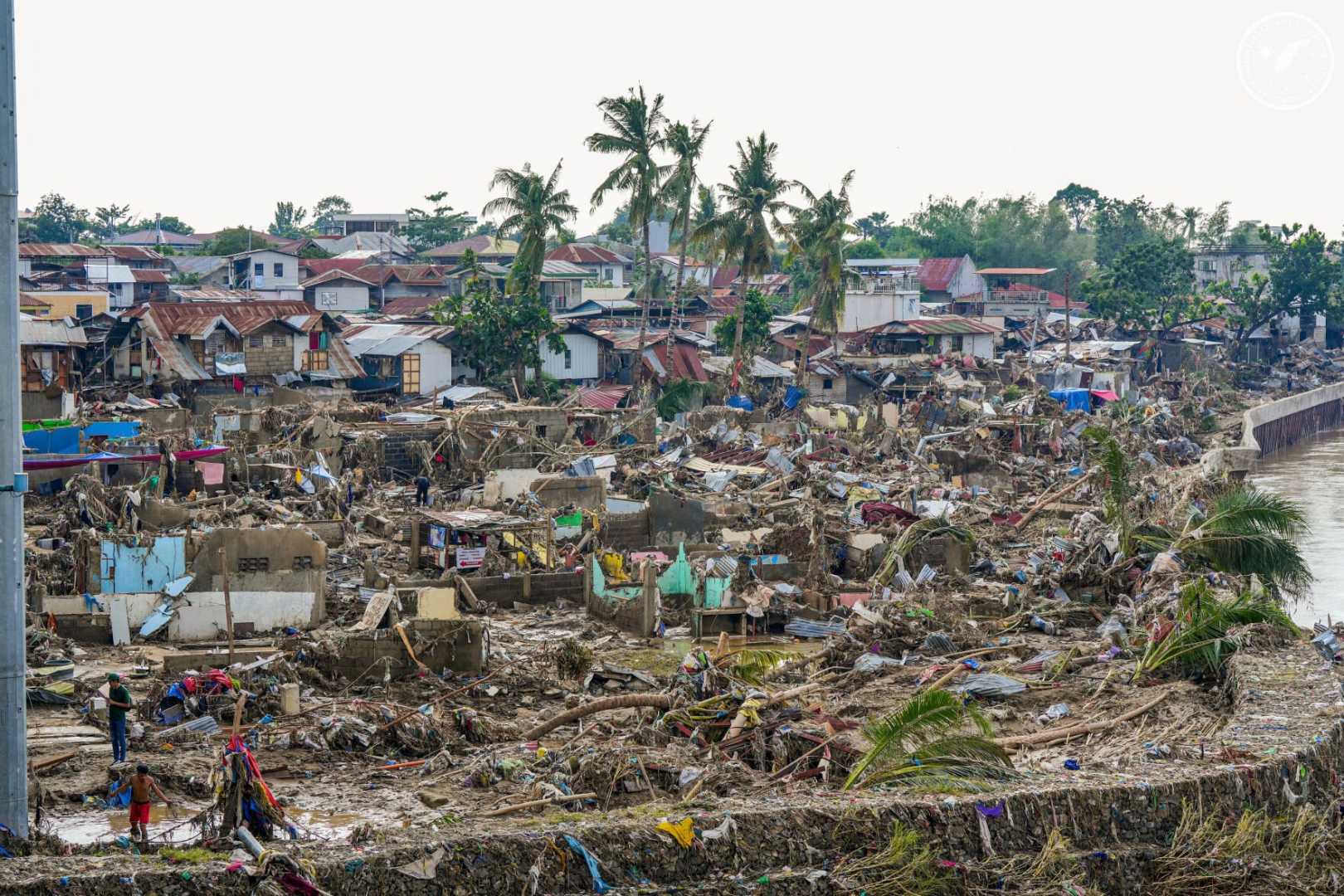
AURORA, Philippines — More than 900,000 people have evacuated in the Philippines as Typhoon Fung-wong, now classified as a super typhoon, approaches the country. The storm is expected to make landfall on Sunday evening, bringing sustained winds of 185 km/h (115 mph) and gusts of 230 km/h (143 mph), according to the Philippines’ meteorological service.
Fung-wong, locally known as Uwan, struck the eastern Bicol region first early on Sunday morning, with Luzon, home to the majority of the Philippine population, next in its path. This storm follows closely after Typhoon Kalmaegi, which recently left nearly 200 people dead across the nation.
Schools have canceled classes or moved them online, and nearly 300 flights have been abruptly canceled. A weather forecast warns of over 200 mm of rainfall in portions of Luzon, causing significant risks of flooding and landslides.
In the Aurora region, Hagunoy, a staff member at a beachfront hotel, reported police visits urging guests to evacuate. He chose to remain behind for a while to protect the property. ‘We locked the gates and tied the windows to prevent breaking,’ he said.
In central Aurora, a sports center has transformed into a shelter for over 200 evacuees, many of whom are children too young to remember Typhoon Haiyan, which caused over 6,000 deaths in 2013. Due to ongoing recovery efforts from Kalmaegi, the Filipino government has declared a state of calamity to facilitate faster access to emergency funds.
‘We’ve evacuated to stay safe from the floods brought by the last typhoon,’ said Norlito Dugan, taking refuge in a Sorsogon church. His sentiments echoed among many who are anxious about the impending storm.
The Philippines, situated in the Pacific’s cyclone belt, is especially susceptible to typhoons. Every year, about 20 tropical cyclones form in the region, with around half directly impacting the country. Climate change is not believed to increase the frequency of these storms but is thought to strengthen them, leading to higher winds and rainfall.
As the nation braces for Fung-wong, the aftermath of Kalmaegi has already left devastation. Over 204 deaths have been recorded, with numerous individuals still unaccounted for. Locals are eager to receive any available means of assistance as they face a new challenge.


