
Entertainment
Salman Rushdie Explores Life and Death in The Eleventh Hour

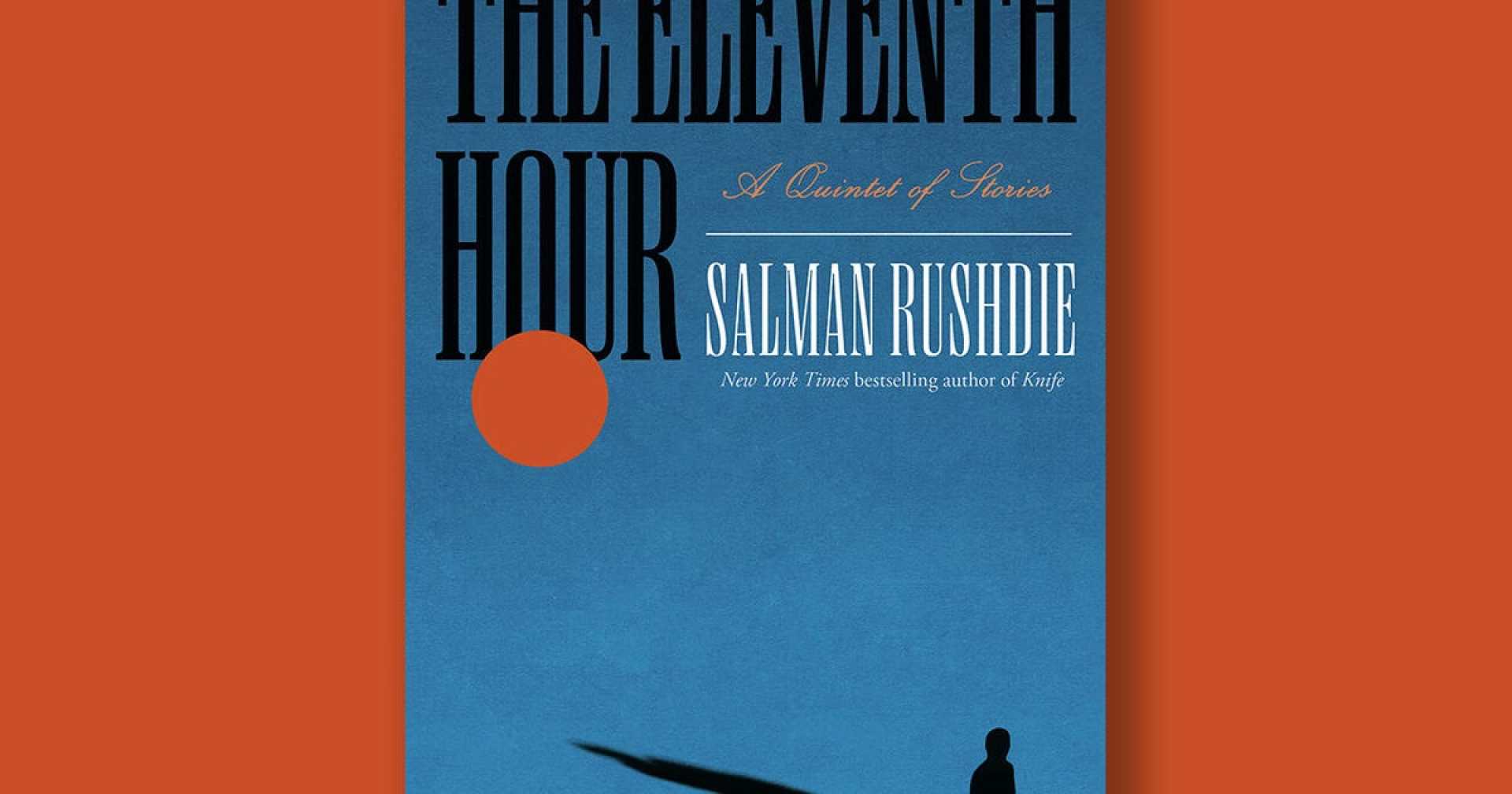
Mumbai, India — Salman Rushdie‘s latest book, The Eleventh Hour, plunges into themes of life and death through a collection of five stories steeped in reflection and introspection.
In this poignant exploration, Rushdie, 78, examines mortality and its implications, influenced significantly by his close brush with death in 2021 when he was attacked and left blind in one eye. He expresses a strong sense of purpose, stating, “I have this very strong feeling of ‘don’t waste your time.’”
The first story, In the South, features two elderly men, Junior and Senior, who bicker from their verandas, highlighting the companionship that mitigates the inevitability of death. The narrative opens with a striking line about aging: “If old age was thought of as an evening, ending in midnight oblivion, they were well into the eleventh hour.”
Another tale, Late, brings readers to King’s College, Cambridge, where a deceased Honorary Fellow haunts a young Indian student named Rosa. The story unveils the character’s unfinished business, blending the themes of revenge and redemption.
Rushdie also channels magical realism in The Musician of Kahani, showcasing a gifted child who uses her music for retribution against the wealthy and powerful. This narrative, rich with cultural echoes, reflects Rushdie’s ability to weave together themes of life’s complexities and societal issues.
Critics have noted that the stories, while engaging, may not match the strength of Rushdie’s earlier works. However, The Eleventh Hour nonetheless serves as an insightful examination of existence and language’s role in connecting people through shared experiences.
Although he acknowledges the weight of his experiences, Rushdie’s storytelling remains vibrant and impactful, making a significant contribution to contemporary fiction. As he states, “Our words fail us,” concluding his exploration of life and death.


