
News
Silver Tsunami Reshapes Real Estate Market as Boomers Drive Change

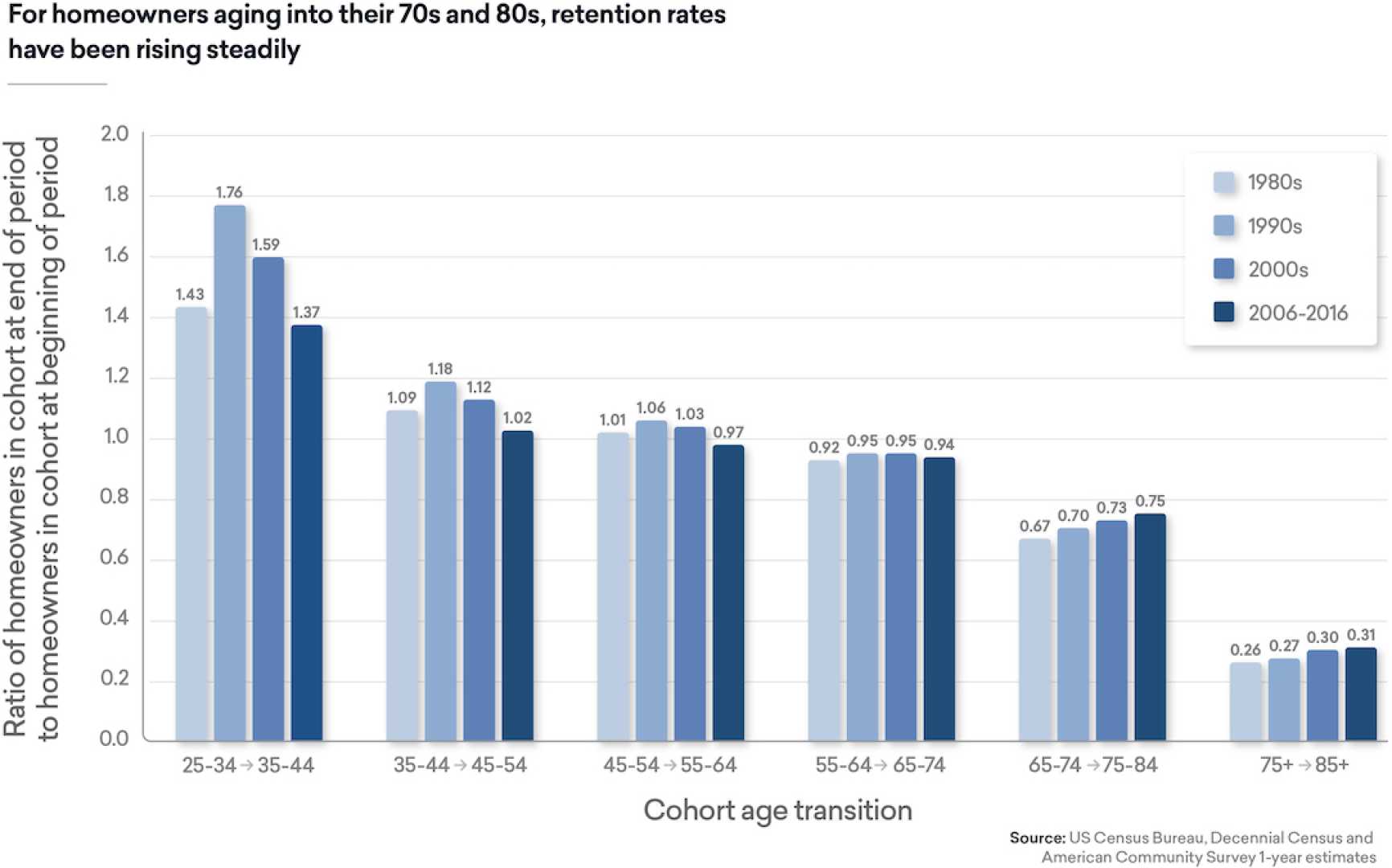
NEW YORK — The much-anticipated ‘Silver Tsunami’ of baby boomers entering the real estate market has finally arrived, with over 70 million Americans aged 65 and older influencing buying and selling trends. According to the National Association of Realtors® (NAR) 2025 Home Buyers and Sellers Generational Trends Report, baby boomers are now the largest share of both home buyers and sellers.
Jessica Lautz, NAR’s deputy chief economist and vice president of research, stated, “Baby boomers are really holding the cards in the real estate market. They have earned a tremendous amount of housing equity, and right now they’re making moves either in retirement or looking forward to retirement.”
Half of younger boomers (ages 60-69) and 62% of older boomers (ages 70-78) have funded their new homes using proceeds from their previous homes. Having lived in their previous homes for 13 to 16 years, many have seen their property values increase by 50% or more, giving them financial flexibility to downsize.
Real estate professionals are now seeing the emergence of three major housing trends spurred by this demographic shift. Many baby boomers are actively buying and selling homes, driven by retirement, family proximity, or preferences for low-maintenance living. However, emotional and health-related barriers might delay their decisions to downsize.
Dane Ramsden, CEO of In Network Real Estate in Detroit, prefers the term “rightsizing” for the transition, acknowledging that these moves are often deeply emotional. To aid older adults in this process, Ramsden started a Caring Transitions franchise, helping with decluttering, estate sales, and relocations.
Ramsden advises real estate agents to “Start early and declutter intentionally,” suggesting that clients should sort belongings before listing their homes. His company utilizes estate-sale platforms to streamline these processes and connects clients to services for large items that are difficult to discard.
Furthermore, as many homes remain unsuited for aging in place, less than 10% are fully prepared for senior living, according to AARP. Many baby boomers express a desire to stay in their homes, motivated by comfort and potential capital gains taxes linked to selling.
Mary Harmon Young, broker-owner in Tuscaloosa, Alabama, highlights the importance of universal design features in homes. These may include lever-style door handles, step-free entries, and smart-home technologies to enhance safety for older residents.
The 2025 U.S. Houzz Bathroom Trends Study reveals a growing focus on accessibility in home renovations, with homeowners increasingly prioritizing low-curb showers and better lighting.
Another trend is the rise of multigenerational living. In 2024, 17% of buyers purchased homes suited for multigenerational families, business records indicate. Families are opting for homes with private entrances and dual suites to accommodate various family members living together.
Ryan Hvizda, owner of Hvizda Realty Group in New Hampshire, notes a growing interest in homes with accessory dwelling units (ADUs), allowing families to live independently while remaining close to each other.
Amid these shifts, there’s a need for real estate professionals to understand the evolving market. Todd Luong, a real estate agent in Texas, emphasizes the importance of recognizing this trend and suggests that the multigenerational home sector is likely to continue expanding.
Agents who specialize in the needs of baby boomers and multigenerational buyers will be better positioned to navigate this changing real estate landscape as the Silver Tsunami unfolds.


