
News
Snow Squall Warnings Issued Across Eastern Iowa and New York

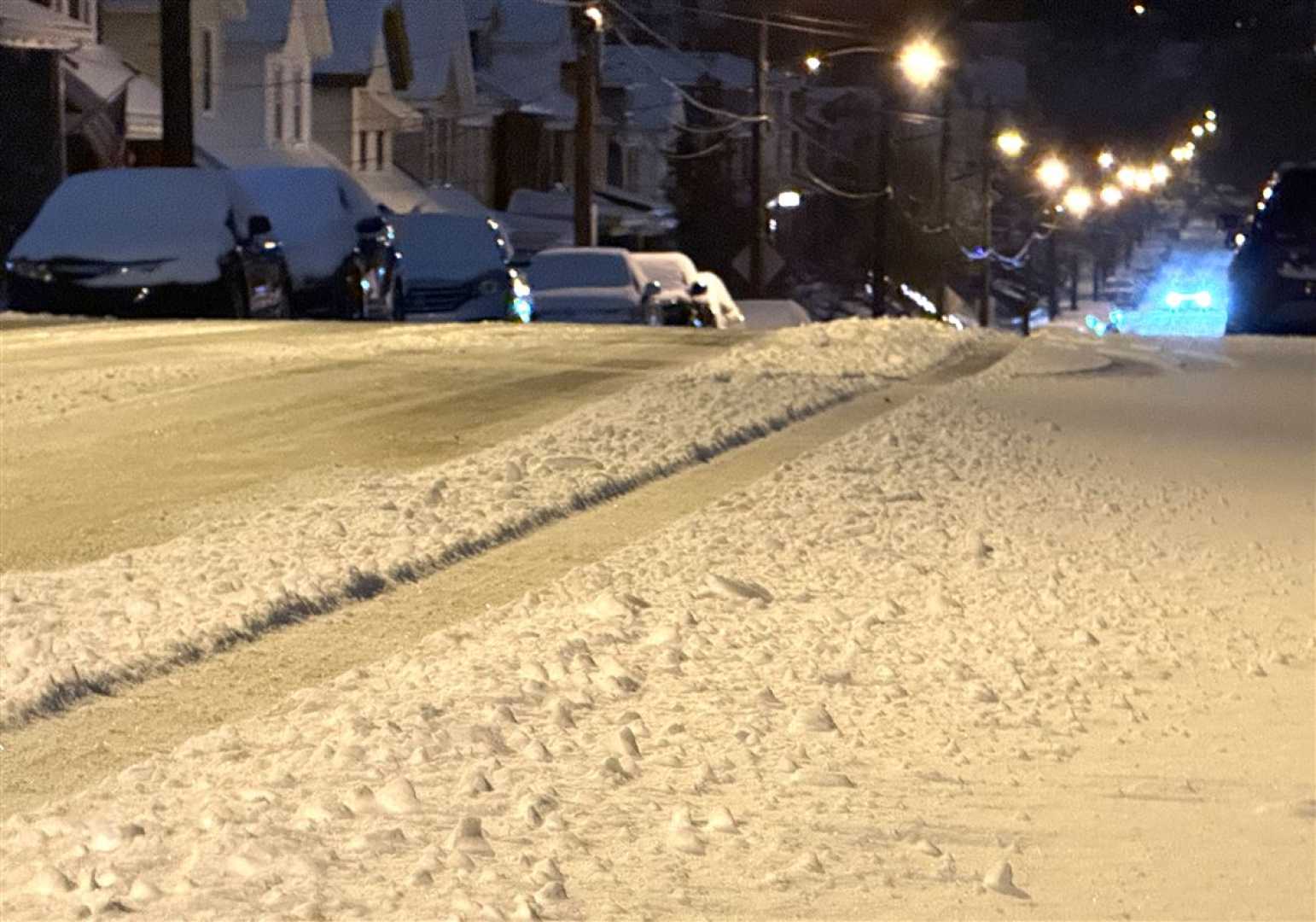
CEDAR RAPIDS, Iowa (Iowa’s News Now) — Snow Squall Warnings are in effect for parts of eastern Iowa as a powerful winter storm moves through the region on Sunday. Snow squalls create whiteout conditions and can quickly coat roads, leading to hazardous travel.
According to the National Weather Service, snow squalls are intense bursts of heavy snow and strong winds that can last from 30 minutes to one hour. Although they are shorter than blizzards, which last three hours or more, both weather events can create dangerous conditions.
If a Snow Squall Warning is issued, it is advised not to travel during the warning period. Drivers already on the road should safely exit highways and find a secure place to park. Open areas, especially highways, should be avoided as they are prone to blowing snow, which can lead to pile-ups.
In a separate warning, an intense snow squall was detected just north of Volland, Kansas, around 1:38 p.m. on Sunday, moving eastward. This squall could affect Topeka and surrounding areas, including Rossville and Silver Lake. The weather service warns that visibility may drop sharply, making travel difficult.
As temperatures plummet, other areas are also feeling the effects. By 7:29 p.m. Monday, an updated warning was issued for counties in New York, extending until 8:15 p.m. The snow squall posed a risk along a line from Clayville to Georgetown to Virgil, moving at about 40 mph.
With advisories indicating that black ice could form rapidly on wet roadways, the National Weather Service emphasizes the need for drivers to slow down and be mindful of the loss of traction. Visibility during these snow squalls can suddenly decrease to near zero.
Snow squalls can occur even without a major winter storm forecasted, and while they usually last less than one hour, they can lead to serious traffic accidents due to reduced visibility and rapidly changing road conditions.
Those planning to travel should follow guidelines established by the National Weather Service. Recommendations include avoiding travel until the squall passes, reducing speed, maintaining a safe distance from other vehicles, and preparing emergency kits for unexpected situations.
Winter weather safety resources provide additional tips on how to effectively navigate the challenges of winter driving, including ensuring vehicles are prepared with proper maintenance and necessary emergency supplies.


