
Politics
Supreme Court to Review Trump Era Immigration Asylum Policy

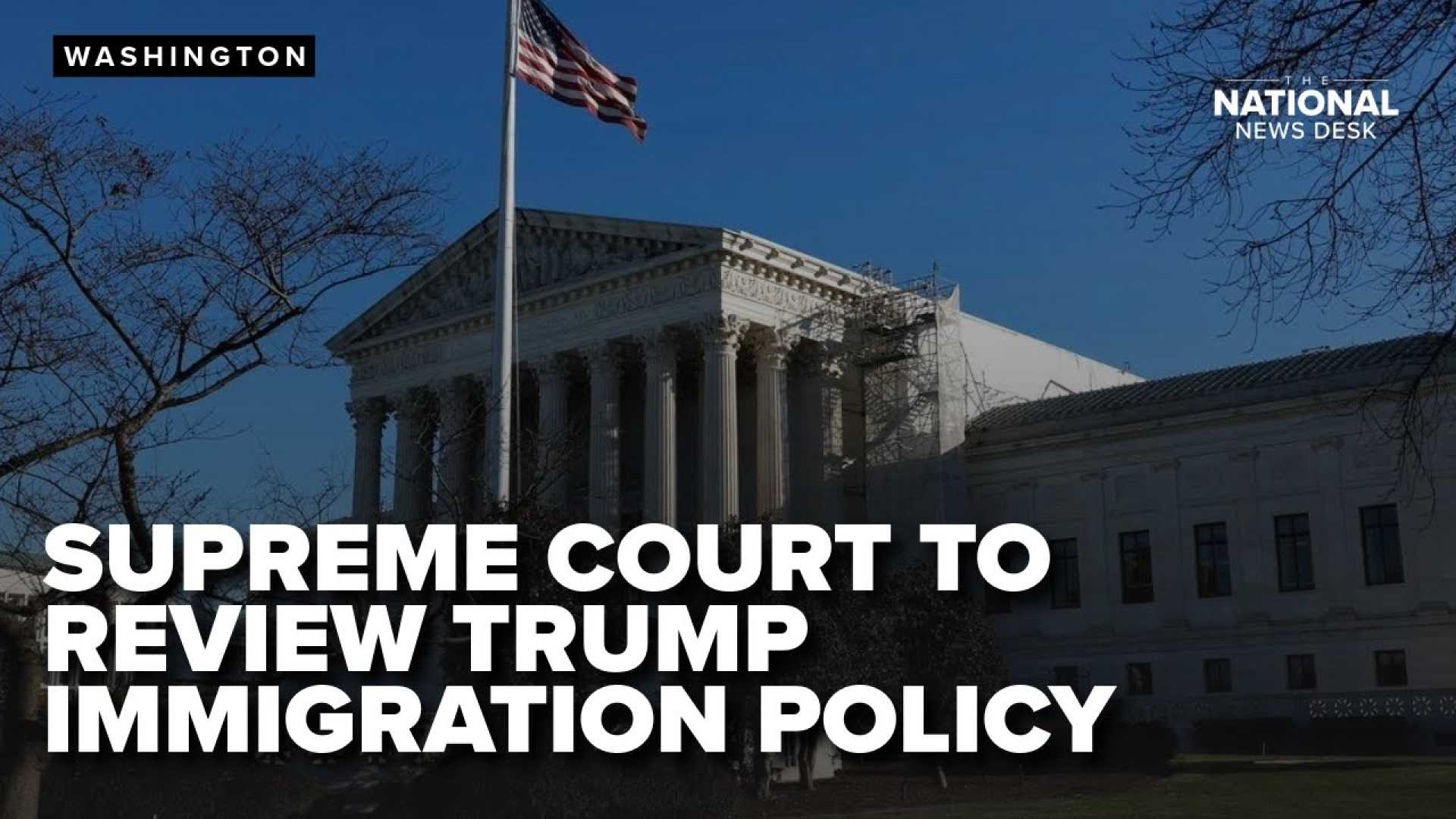
WASHINGTON, Nov 17 (AP) — The U.S. Supreme Court announced on Monday that it will review a controversial immigration policy from the Trump administration that prevented potential asylum seekers from entering the United States. This marks the first major immigration case of the term.
Federal law requires that the government process asylum seekers who arrive at U.S. ports of entry. However, in 2018, the Trump administration implemented a policy known as ‘metering,’ which allowed border agents to turn away asylum seekers before they crossed the border into the U.S.
An immigrant rights group, Al Otro Lado, filed a lawsuit in California against this policy. The 9th U.S. Circuit Court of Appeals sided with the asylum seekers in its ruling, prompting the Trump administration to appeal to the Supreme Court in July.
Currently, under President Joe Biden‘s administration, most asylum seekers must schedule appointments before arriving at U.S. ports of entry. Al Otro Lado stated that this new requirement makes the outcome of the case less impactful. ‘This case has almost no present implications, and likely no future implications either,’ the group argued.
Nevertheless, the Trump administration countered, stating that future administrations should retain the option to use the metering policy when border conditions warrant it. In this regard, the Supreme Court’s decision to hear the case was viewed as a positive development for Trump.
The 9th Circuit ruled that federal law obligates border agencies to inspect asylum seekers, even if they did not actually enter the U.S. U.S. Solicitor General D. John Sauer argued that a person ‘arrives in’ a country only upon entering its borders, asserting that people still in Mexico do not meet this definition.
Supporters of Al Otro Lado contend that allowing any interpretation of the law that precludes asylum seekers from stepping onto U.S. soil undermines the very essence of the asylum process. ‘The government’s turnback policy obstructed lawful procedures for asylum seekers, causing vulnerable individuals to face significant risks,’ the advocates said.
Oral arguments for the case are scheduled for next year, with a decision expected before the end of June.


