
Politics
Trump Administration Moves to Dismantle Education Department’s Role

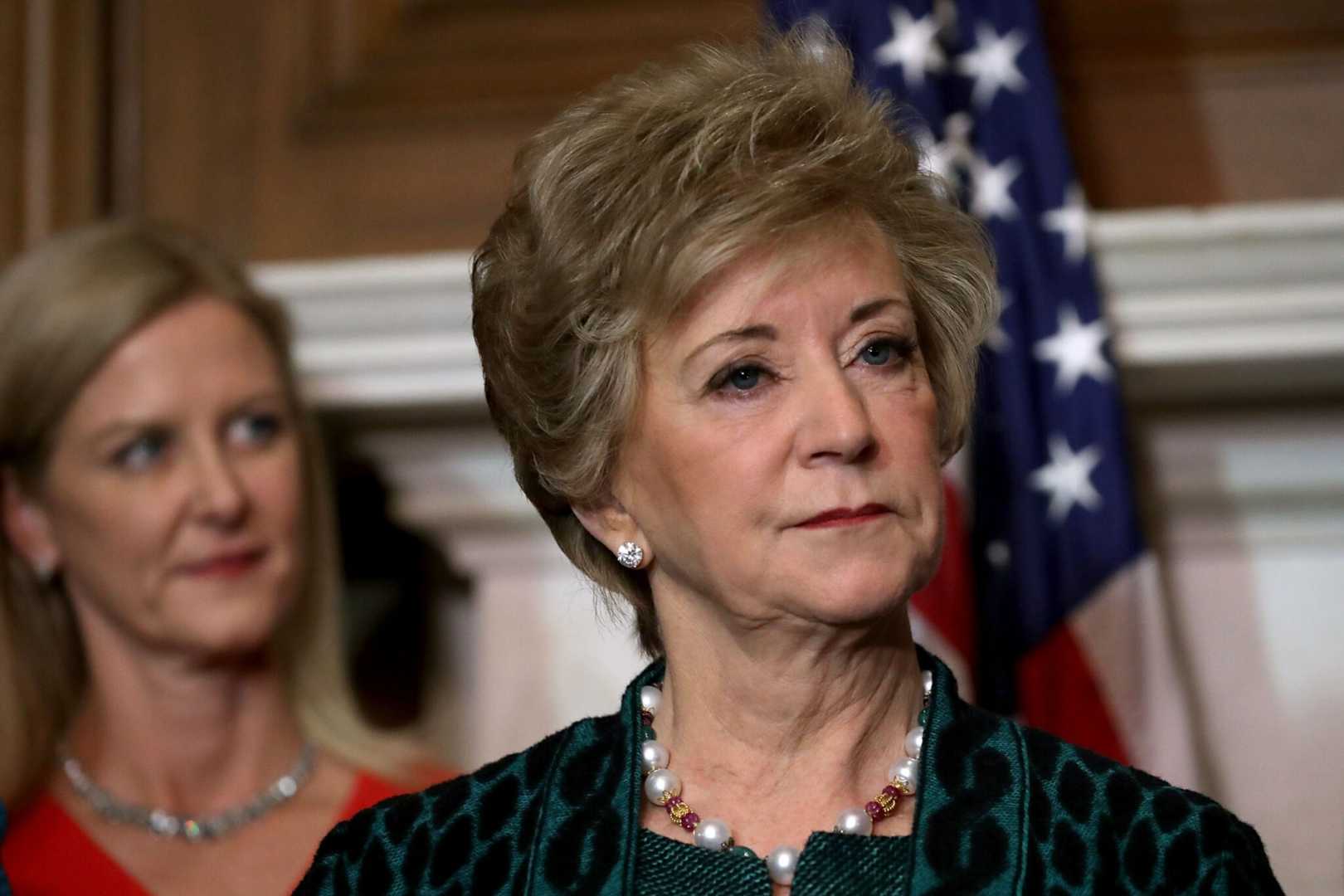
WASHINGTON, D.C. — The Trump administration announced plans on November 21, 2025, to dismantle key responsibilities of the U.S. Department of Education, transferring them to other federal agencies. This follows a 43-day government shutdown, during which Education Secretary Linda McMahon claimed that the shutdown demonstrated the department’s lack of necessity.
McMahon stated, “Students kept going to class. Teachers continued to get paid. There were no disruptions in sports seasons or bus routes.” She argued that the department primarily serves as a “pass-through” for funds better managed at the state level. However, critics of the plan highlight that such a move would complicate educational governance and reduce accountability.
Under the new agreements, many responsibilities that the Education Department currently oversees—including federal funding for low-income schools and higher education grants—will shift to the Department of Labor, the Department of the Interior, Health and Human Services, and the State Department.
Education experts, however, warn this could lead to fragmentation and inefficiencies. Patrick McGuinn, a political science professor at Drew University, pointed out that the Education Department was established in 1979 to increase efficiency in education policy—something he fears could suffer due to the fragmentation of oversight.
Nora Gordon, an economist at Georgetown University, added that the federal role in education is essential for ensuring equity and compliance with civil rights laws. “Investing in education is important for the future of everyone who lives in this country,” she explained.
Additionally, during the 43-day shutdown, nearly 87% of Education Department employees were furloughed, disrupting many services, particularly for low-income families relying on programs like Head Start.
The transition of responsibilities has sparked political division. While Republican leaders praise the move as a victory against federal bureaucracy, Democrats warn it risks harming the educational support systems that aid vulnerable students. Education Secretary McMahon maintains that these changes will ultimately enhance federal support without the education department’s oversight.
The long-term effects of transferring these responsibilities across multiple agencies may not become clear for some time, but apprehension among educators and advocates continues to grow. Critics like Randi Weingarten, president of the American Federation of Teachers, argue that dismantling established systems further diminishes support for students who need it most.


