
Politics
Trump Administration Targets State AI Regulations in Defense Bill

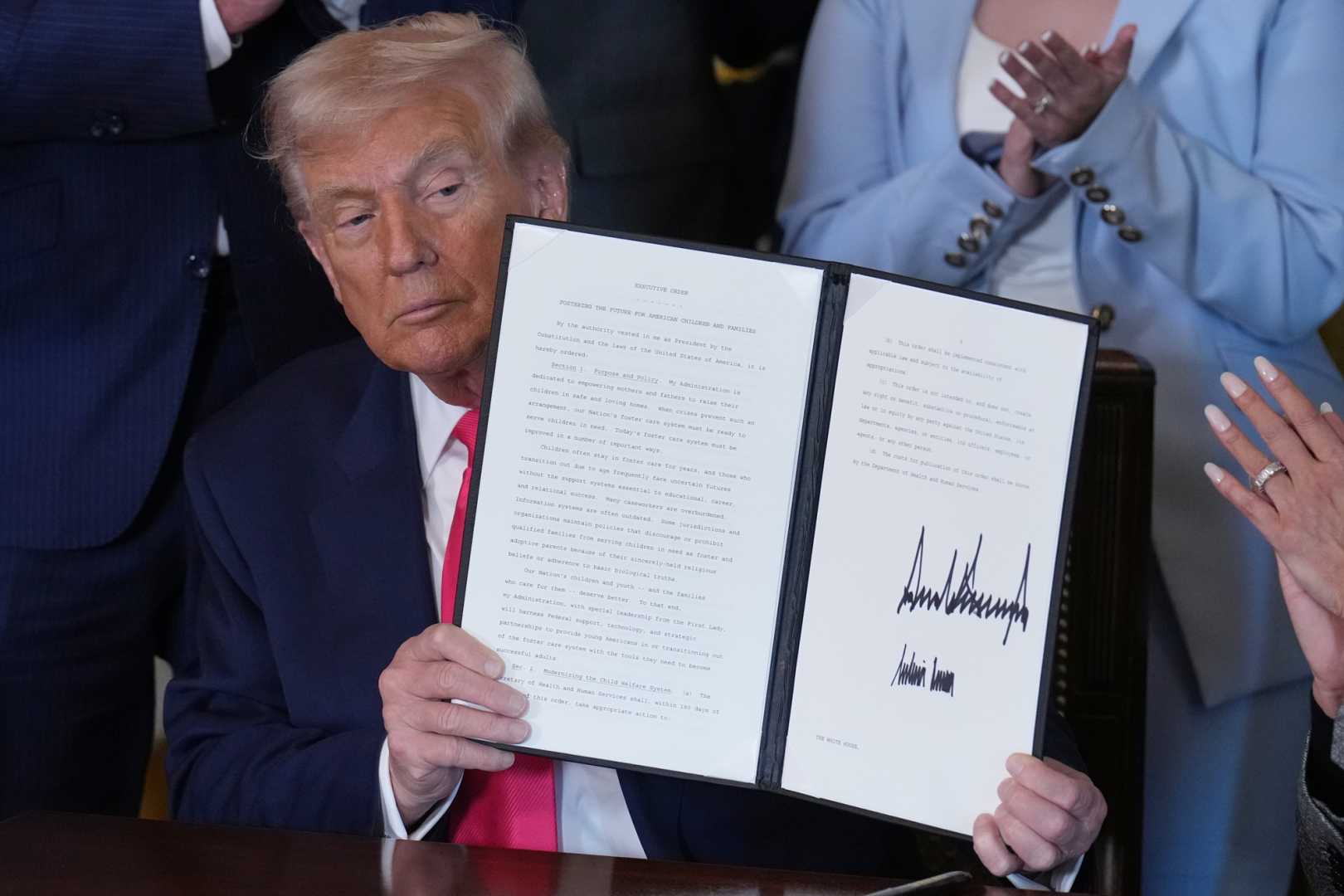
WASHINGTON, D.C. — The Trump administration is taking steps to prevent states from enacting their own artificial intelligence (AI) regulations. This initiative includes adding language to the upcoming national defense authorization bill and drafting an executive order aimed at “eliminating state law obstruction of national AI policy.”
The proposed executive order, which leaked this week, threatens legal action against states that pass or have passed AI laws, particularly those related to regulatory measures affecting AI in industries like hiring and data usage. It aims to withhold federal broadband funds from states that do not comply with federal guidelines.
David Sacks, designated AI and Crypto Czar, is at the forefront of the administration’s efforts to streamline national AI policies. Sacks has been in discussions with Republican lawmakers to draft provisions that would be acceptable to both the House and Senate.
Senate Majority Leader John Thune acknowledges that discussions are ongoing to balance the proposed preemption of state AI regulations with state interests. Sacks’ presence in these negotiations highlights a significant connection between Silicon Valley and the current administration.
The pushback against this initiative includes voices from within the Republican Party, such as Congressman Mike Davis, who warns of a backlash against GOP leaders who align with big tech firms at the expense of their constituents. “If big tech wants federal preemption, they need to protect the four C’s: conservatives, children, communities, and creators,” said Davis.
As the congressional election cycle approaches, GOP leaders view this as a critical opportunity to pass their proposed legislation, despite significant opposition from various factions within the party.
The executive order designates an “AI Litigation Task Force” that would be responsible for challenging state-level laws concerning AI, potentially leading to a significant influx of federal legal actions against those measures deemed contrary to national policy.
Critics argue that this move by the Trump administration reflects an anti-democratic trend, seeking to consolidate power while limiting state-level governance over emerging technologies.
The final details of the defense bill remain fluid, with multiple proposals being considered. Observers note uncertainty about the path forward, but the administration’s aggressive strategy signifies a decisive moment in the development of national AI policy.


