
Politics
Trump Defends Saudi Crown Prince Amid Human Rights Controversy

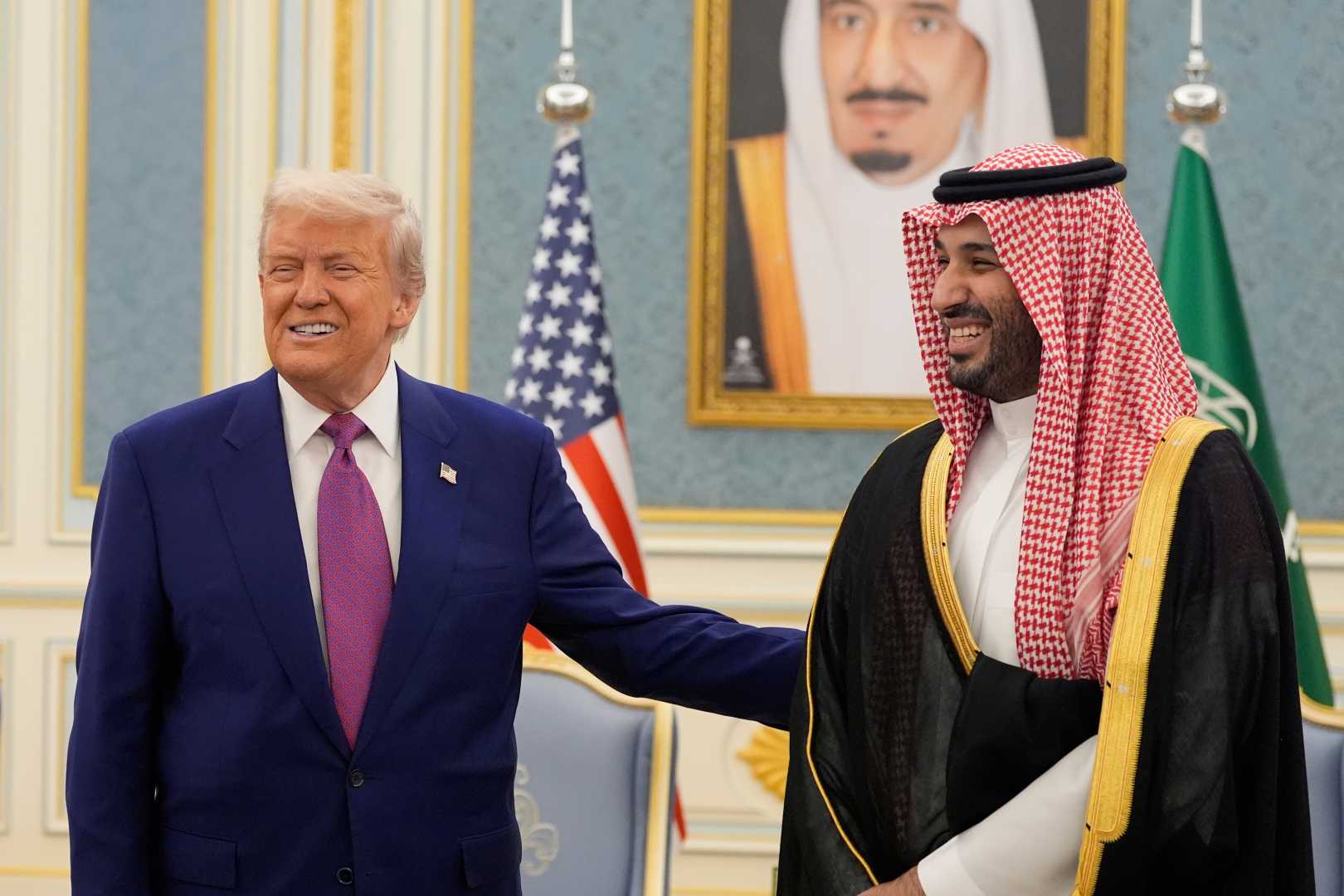
WASHINGTON, D.C. — President Donald Trump defended Saudi Arabia’s Crown Prince Mohammed bin Salman during a meeting in the Oval Office on November 18, 2025, dismissing concerns over the prince’s alleged involvement in the murder of journalist Jamal Khashoggi.
Khashoggi, a U.S. resident and critic of the Saudi government, was killed in 2018, an act that the CIA attributed to the crown prince. Following the brutal murder, significant backlash arose, including a unanimous Senate vote condemning bin Salman. Trump’s remarks during the meeting indicated a shift from prior hesitance to a strong defense of the crown prince, asserting he “knew nothing about it.”
Critics of Trump argue that his comments were insensitive and flippant. During the meeting, he referred to Khashoggi as “extremely controversial” and suggested his past warranted the violence against him, stating, “things happen” in situations of conflict. Hanan Elatr Khashoggi, the journalist’s widow, firmly responded, saying that no history could justify her husband’s assassination.
Historically, U.S. presidents have navigated the complex relationship with Saudi Arabia, balancing strategic interests alongside human rights concerns. However, Trump’s comments seem to reflect a pronounced disregard for human rights issues. He opened the meeting with bin Salman by praising Saudi Arabia’s record on human rights, a statement starkly contradictory to the reality of Khashoggi’s murder.
Throughout his tenure, Trump has made controversial statements about various global leaders known for human rights abuses. He has suggested that many countries harbor “killers” and questioned the innocence of the United States. This approach to foreign policy, prioritizing political and economic gains over ethical considerations, has drawn criticism from various observers.
As the world continues to respond to these policies, Khashoggi’s case serves as a critical reminder of the ongoing struggles for justice in human rights advocacy.


