
Politics
Trump Faces Critical Decisions Amid Ongoing U.S. Government Shutdown

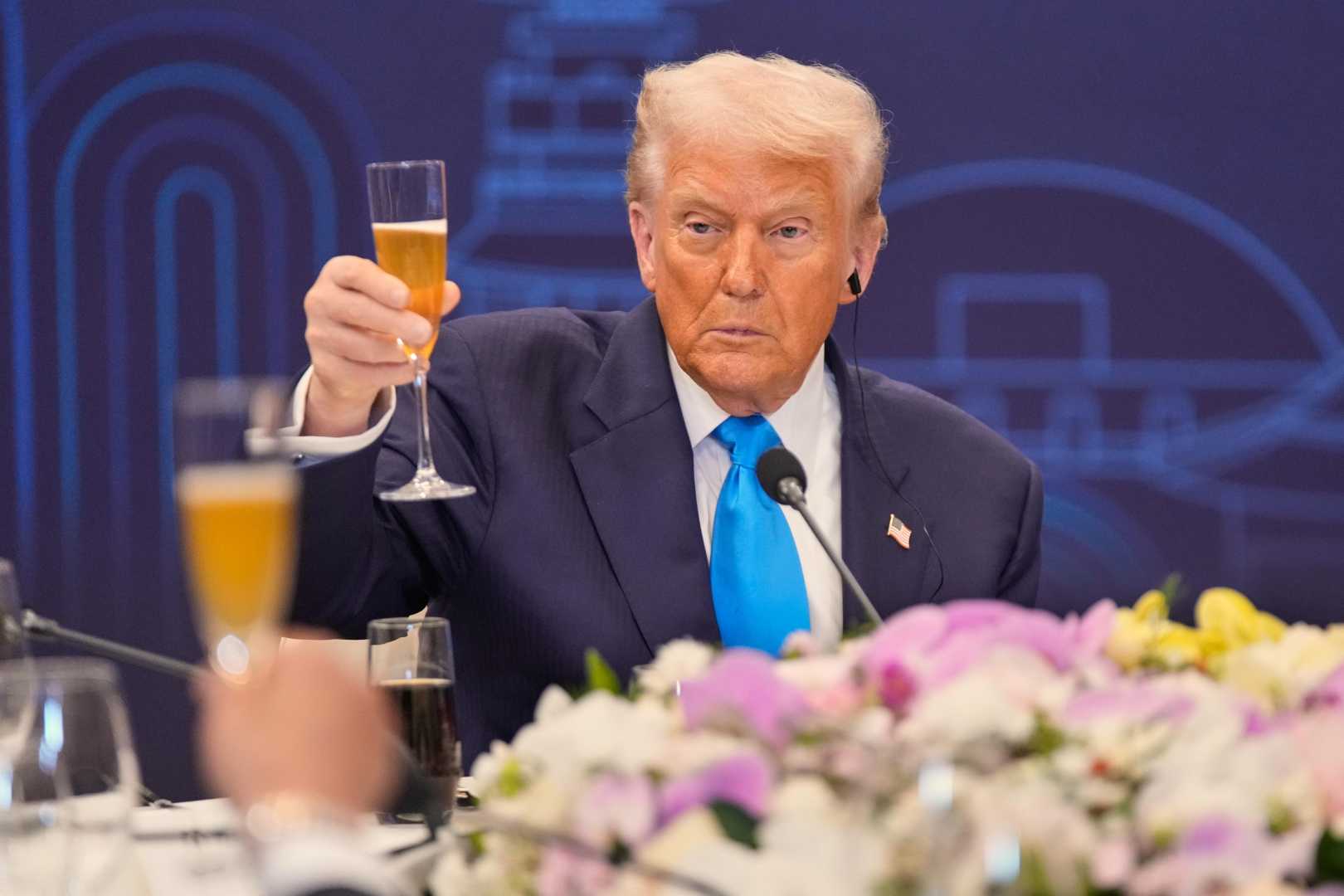
GYEONGJU, South Korea — U.S. President Donald Trump returned home Thursday amid an escalating government shutdown that has reached its most severe point yet, jeopardizing essential services and support for millions of Americans. With political deadlock worsening, urgent decisions are needed to break the impasse just weeks before Thanksgiving.
Senator Lisa Murkowski of Alaska expressed frustration with Congress during a recent statement, saying, “We’re pretending that everything is OK. We’re pretending that people are not being impacted by this shutdown.” The ongoing standoff was sparked when Senate Democrats withheld support for a temporary funding bill last month, trying to compel Republicans to agree to extend critical support like food assistance.
Despite the pressure, Republican leaders refuse to budge. They insist discussions on extending aid can only happen if Democrats agree to reopen the government first. This lack of trust between the parties has led to a stalemate that is causing more distress for American families.
Millions of Americans, including vulnerable children and elderly citizens, face losing vital food assistance through programs such as SNAP and WIC, as funding runs out. Additionally, rising health care costs are a growing concern, with many seeing their premiums increase by an average of 26% due to the expiration of enhanced subsidies.
The pressure is mounting on federal workers as well, with thousands now forced to work unpaid or furloughed, struggling to meet their financial obligations during the shutdown. A recent report indicated that staff shortages among air traffic controllers are leading to significant flight disruptions.
Trump has been criticized for his lack of urgency in resolving the crisis. By accepting a donation from a fellow billionaire to make temporary salary payments to military personnel, he has attempted to soften the blow, but this solution falls short for the 1.3 million active military members affected. Federal workers across the nation are running out of resources as their everyday expenses keep mounting.
While Senate Minority Leader Chuck Schumer and other Democrats blame Trump for weaponizing hunger and obstructing aid to the nation’s neediest, both parties seem trapped in a cycle of blame. The struggle exemplifies a political climate stifled by deep-seated polarization.
Earlier this week, Schumer pointedly remarked, “Every single president was not so cruel and heartless to hold those hungry children, hungry elderly, and hungry veterans as hostages.” On the other hand, Senate Majority Leader John Thune, visibly frustrated, urged Democrats to acknowledge the real-life consequences of their tactical choices.
As the situation intensifies, a bipartisan group has reportedly begun discussions aimed at resolving the budget impasse. This group could potentially facilitate a short-term agreement to fund essential government functions while addressing health care compromise, but a solution remains uncertain.
The smoldering crisis may reach a tipping point this week as lawmakers grapple with an emerging reality: failure to address the needs of American families could reap significant political repercussions ahead of the holiday season. “We’re heading into the holidays, and conditions are deteriorating rapidly,” warned Everett Kelley, president of a federal workers’ union.
With Thanksgiving just weeks away, both parties are under mounting pressure to come to an agreement before the potential for a nationwide air travel disaster looms. Political leaders must now decide whether to negotiate or hold steadfast, with millions of Americans relying on them to act.


