
Business
Uber’s Potential Return to Israel Sparks Taxi Industry Turmoil

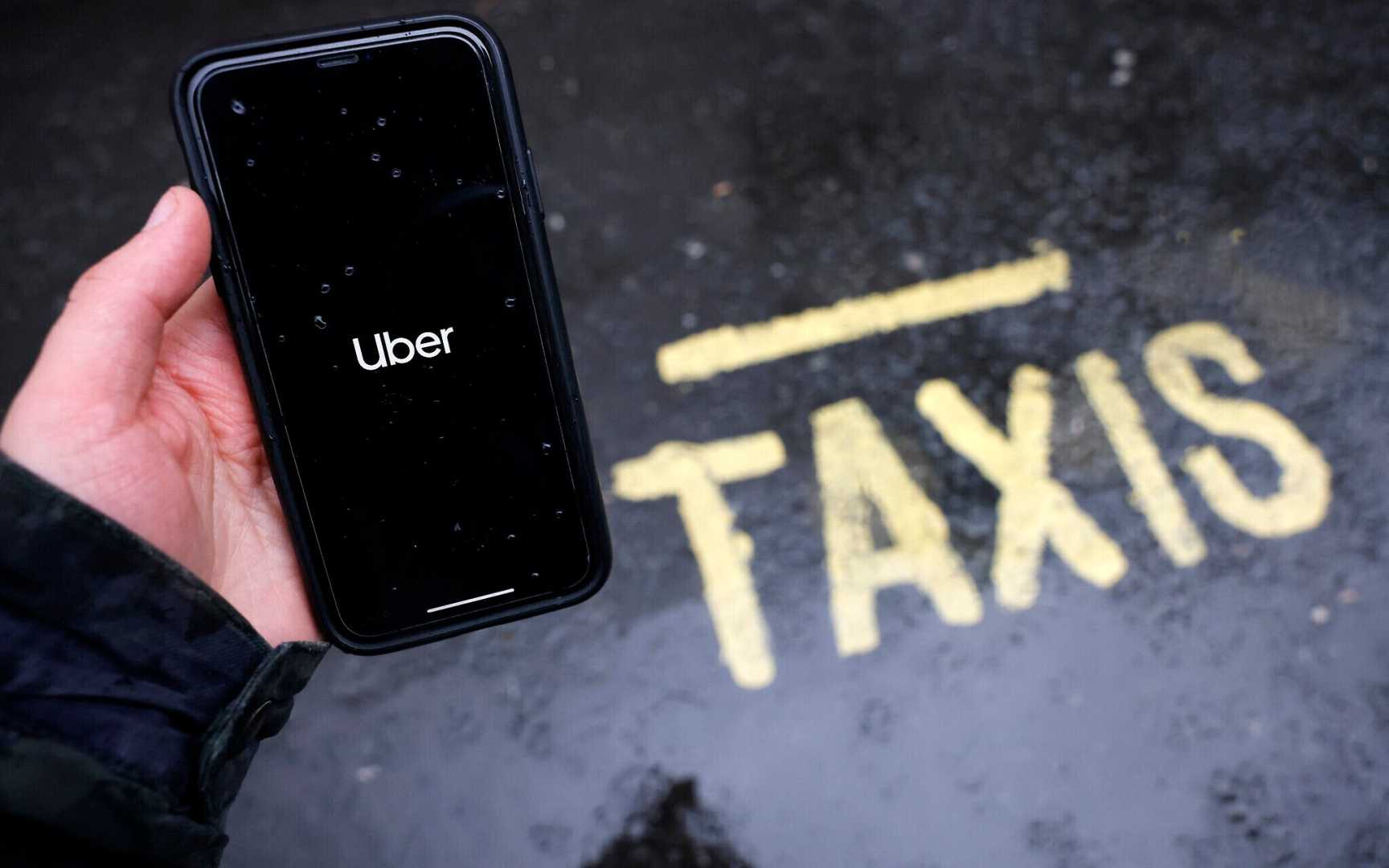
JERUSALEM, Israel — Transportation Minister Miri Regev announced plans on Tuesday to enable Uber‘s entry into the Israeli market as early as 2026. This major shift could legalize thousands of unrecognized drivers in a black-market ride-hailing system.
“The time has come for there to be Uber in the State of Israel,” Regev said during an interview with public broadcaster Kan. She emphasized that the push for Uber aligns with the need to lower living costs for Israeli citizens.
Uber operates through a mobile application that connects riders with drivers, often offering lower fares compared to traditional taxis. Regev indicated that she had instructed her ministry’s director general to negotiate entry terms. However, she asserted that the taxi unions would not have the final say on the issue.
Taxi industry leaders, concentrating on the potential disruption to their businesses, expressed intense opposition to the move. Kfir Ben Zino, head of the National Taxi Drivers Association, warned that the industry was preparing to fight the proposal vigorously.
The existing Israeli law mandates that only licensed taxi owners can charge for passenger transport. As of late 2023, there were about 25,000 licensed taxi operators in the country. The rise of unregulated drivers, particularly within ultra-Orthodox communities, has created a substantial share of the ride market, often avoiding tax obligations.
According to taxi leaders, thousands of these unlicensed drivers earn significant monthly incomes without contributing taxes, straining the nation’s revenue. As the Tax Authority intensified crackdowns on illegal networks, some industry stakeholders urged the Transportation Ministry to consider legalizing these drivers.
“If you want to bring order to transportation, then equalize the laws for all drivers,” argued Zohar Golan, a taxi association chairman. “Taxi drivers face a lengthy list of regulations and mandatory training.”
The legal taxi sector administers about 72 million rides annually and generated NIS 6.5 billion ($1.9 billion) in tax revenue in 2022, highlighting the economic stakes involved.
Previously, Uber operated in Israel in 2014 but ultimately closed down in 2023 due to regulatory hurdles and local competition. The company has been criticized globally for harming taxi drivers’ livelihoods, leading to widespread protests in various regions.
Despite Regev’s enthusiasm, an Uber spokesperson remarked that the company has not participated in discussions regarding regulatory changes and has no plans for re-entry at this time, undermining the minister’s optimistic stance.
While the future of Uber in Israel remains uncertain, Regev’s initiative has certainly ignited a heated debate within the transportation sector.


