
Politics
Young Women of Gen Z Reject Traditional Labels in Politics

NEW LONDON, Connecticut — Young women from Generation Z are increasingly rejecting traditional political labels and are leaning towards more leftist ideologies, according to recent insights. Emily Gardiner, a 23-year-old library assistant, started engaging with politics at just 15, during the 2016 presidential election.
Gardiner identifies herself as a “definitely leftist, not liberal” person and feels a strong connection with her Indigenous community’s values of sovereignty. “Both the Democrats and the Republicans have kind of capitulated in a way to authoritarianism,” she said, reflecting sentiments shared by her peers.
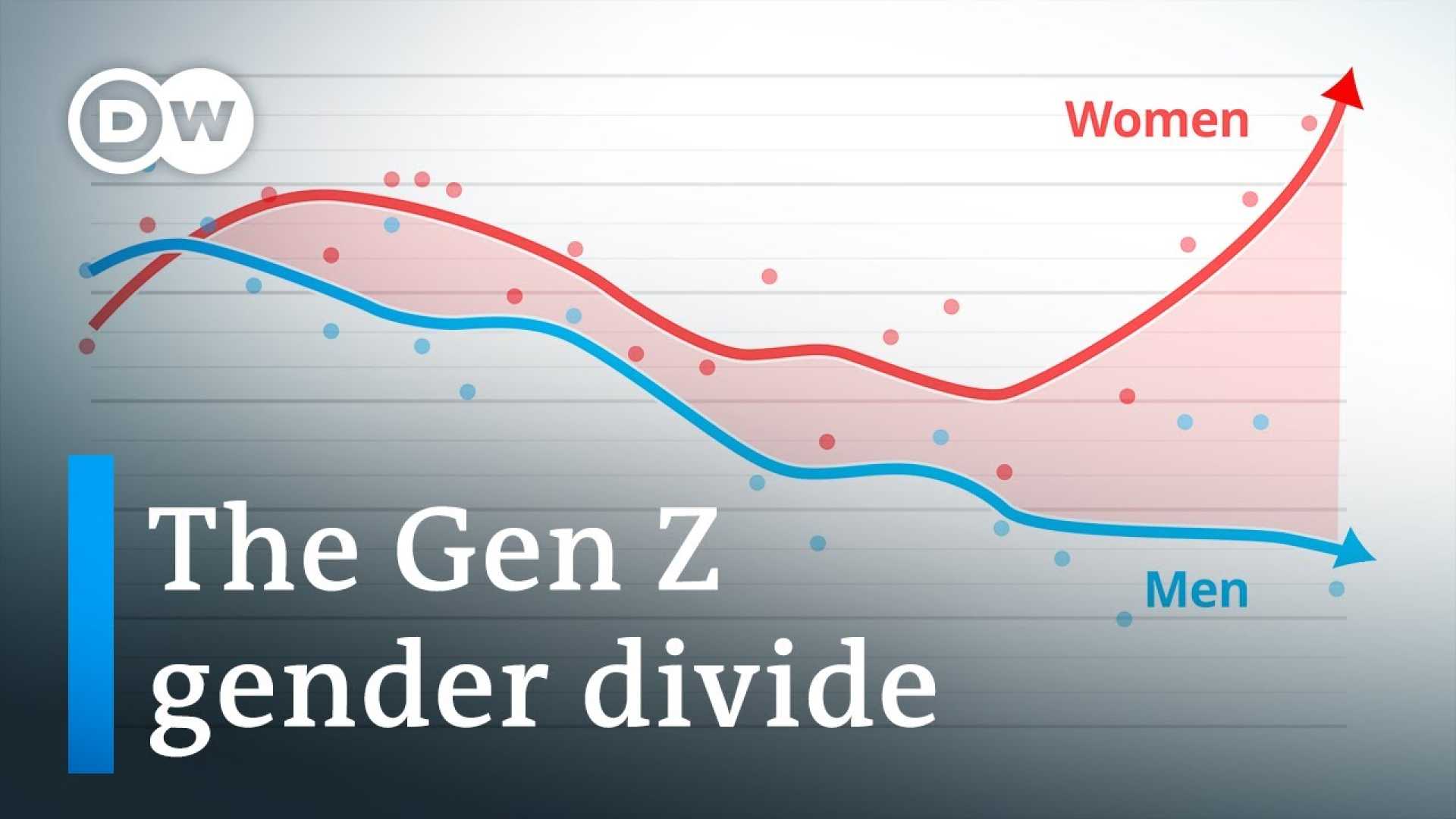
A recent poll shows a notable divide in political views among Gen Z, especially between men and women. Only 26% of Gen Z women approve of President Donald Trump, compared to 47% of Gen Z men. Lily, a 24-year-old from North Carolina, notes, “A lot of men of my age group I’ve noticed are more right-leaning,” explaining that political issues tend to affect women more directly.
Rebecca J, 26, who lives in Washington D.C. and identifies as a socialist, believes that economic issues are the primary concern for many young people. “All these social issues we’re grappling with are all downstream of the economic issues,” she said, emphasizing that many feel overwhelmed by everyday struggles.
Many Gen Z individuals are moving away from identifying strictly as “Democrat” or “liberal,” believing these terms no longer represent their views. Rachel, a 26-year-old office worker from Michigan, describes herself as “anti-capitalist,” stating that “liberal” relates closely to Democratic policies which she feels do not align with her beliefs.
Issues such as reproductive rights, economic inequality, and healthcare are urgent for this generation. “We’re passionate, but disappointed in our party,” Lily said, expressing the desire for the Democratic Party to adopt a more left-leaning platform.
The impact of social media on political perspectives cannot be ignored. Younger generations are more likely to consume news through platforms like TikTok and Instagram, which experts say can amplify extreme ideologies.
As Emily puts it, “Both parties are in the pockets of billionaires. We don’t feel represented.” This sentiment seems to unite many Gen Z women who assert that current political leaders, often older men, may not grasp the issues they face today.


