
News
New England Braces for Rain as Drought Conditions Persist

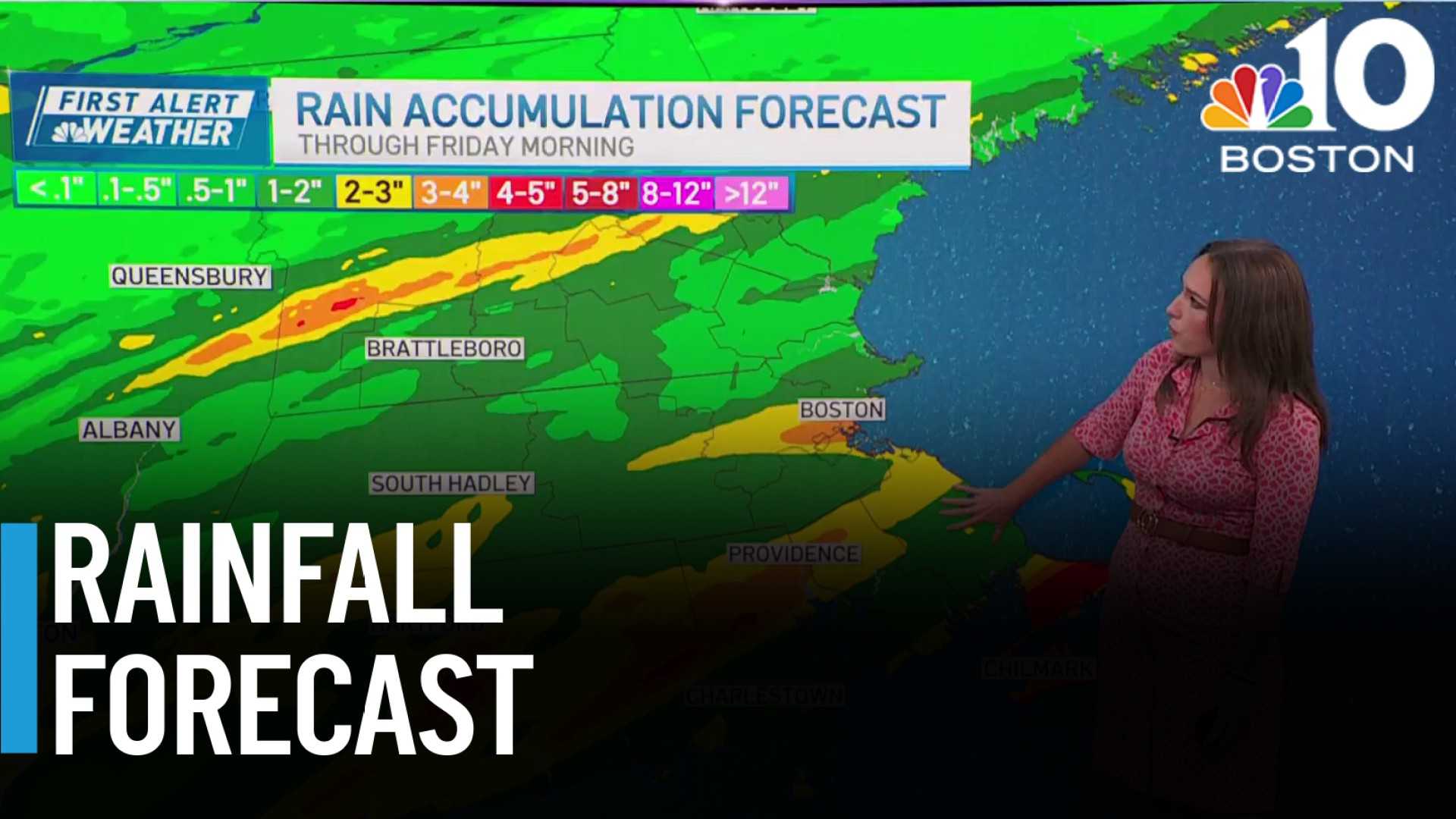
Boston, MA — A significant rain system is expected to roll into New England starting Thursday morning, bringing much-needed moisture to a region grappling with severe drought. Between Tuesday night and Wednesday, Boston received only a tenth of an inch of rain, while certain areas in Connecticut and Rhode Island reported up to 2 inches.
The new system will deliver scattered to widespread rain beginning Thursday, continuing through the night. Meteorologists predict heavy showers that could dampen the evening commute, so umbrellas should be at the ready for residents venturing out.
High temperatures will hover in the upper 60s to low 70s across the region, aided by a southern wind that will pull warm air northward. Greater Boston is likely to see highs reach into the low 70s. During the night, temperatures will drop to the low 60s as showers continue and the sky remains cloudy.
This impending storm comes as New England faces “extreme” drought conditions jeopardizing groundwater supplies and increasing wildfire risks. David Boutt, a professor at UMass Amherst, noted, “We’re approaching the peak of last year’s rainfall deficit and groundwater storage levels,” underscoring the urgency for consistent rain.
Major precipitation is needed as much of New England’s soil is dry and firm, making it difficult for rain to absorb efficiently. Boutt stated, “Without sustained rainfall, groundwater supplies may remain dangerously low.”
Forecasters anticipate rainfall totals from this storm to exceed an inch in most places, with some areas potentially receiving 2 to 3 inches by midnight. With the ground parched from long-standing drought conditions, there is a heightened risk of flash flooding, particularly in regions experiencing repeated heavy downpours.
Residents should stay updated on the forecast as conditions evolve. This rainfall, while welcome, raises concerns about the impacts on already stressed ecosystems and water supply throughout Southern New England.


