
Sports
Lawsuit Against NCAA Advances Despite Partial Dismissal by Judge

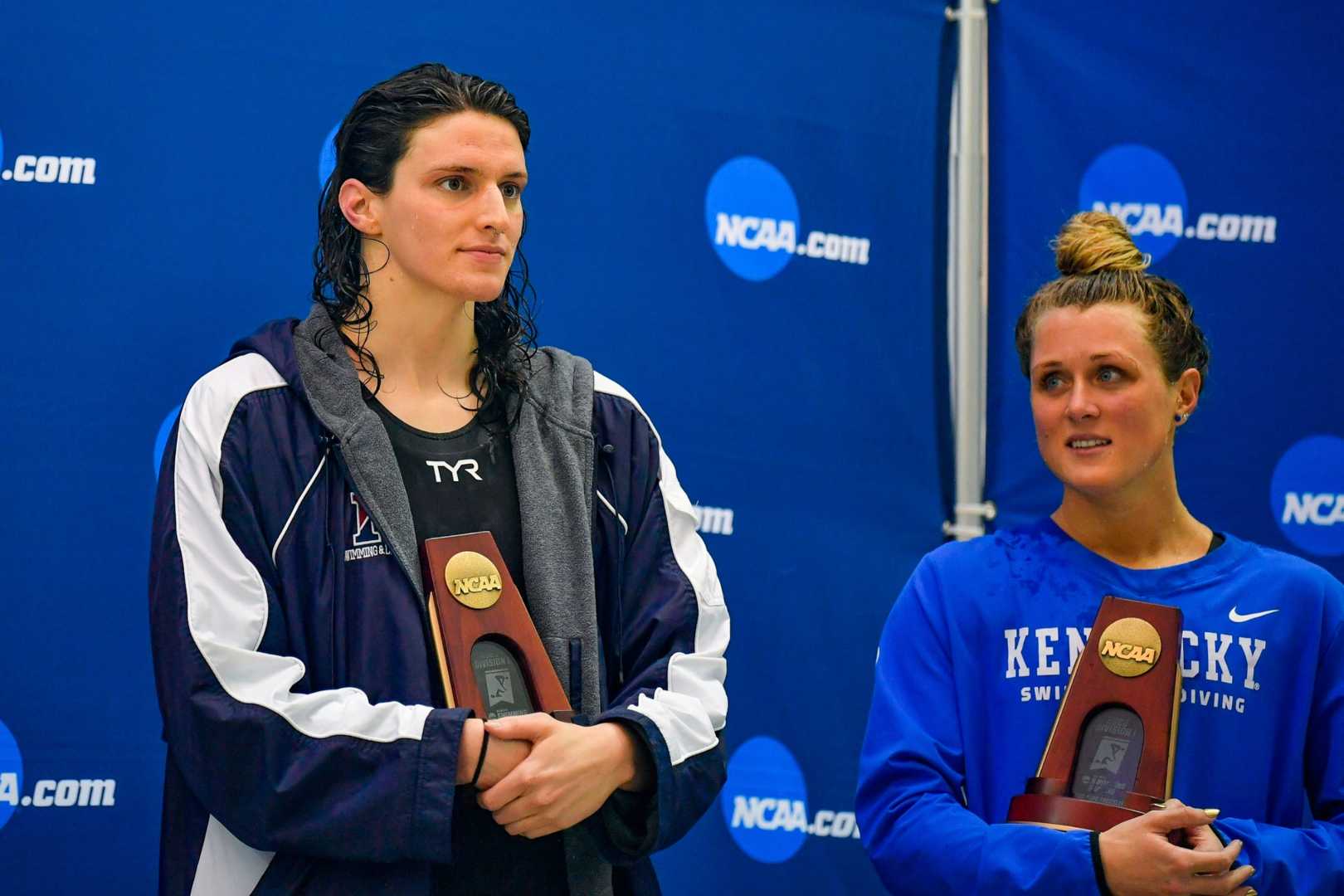
Atlanta, Georgia — A lawsuit filed against the NCAA, led by former swimmer Riley Gaines and a group of female athletes, took a significant step forward Thursday when U.S. District Judge Tiffany Johnson partially denied a motion to dismiss.
The lawsuit aims to hold the NCAA accountable for its policy that permitted biological male athletes to compete in women’s sports. It was filed in March 2024, two years after Gaines tied with transgender swimmer Lia Thomas at the NCAA women’s swimming championships. The plaintiffs argue that female athletes, including Gaines, have been adversely affected by this policy.
In her ruling, Judge Johnson stated that the plaintiffs have plausibly shown that the NCAA receives federal funding and must comply with Title IX. However, she dismissed claims that the NCAA is a state actor, which would subject it to constitutional claims, and ruled there was insufficient evidence for a violation of bodily privacy rights.
Gaines shared her experience of competing against Thomas, saying many female athletes were uncomfortable sharing locker rooms with a transgender athlete. Other plaintiffs include a former volleyball captain from San Jose State, who cited experiences with trans teammate Blaire Fleming, and a former track athlete from the Rochester Institute of Technology, who reported similar feelings about Sadie Schreiner.
Bill Bock, attorney for the plaintiffs from the Independent Council on Women’s Sports (ICONS), expressed satisfaction with the ruling, noting that it validates their efforts to hold the NCAA responsible. “Judge Johnson’s ruling is a significant step forward for plaintiffs in this lawsuit,” said Bock. “We will now move on to the discovery phase and look forward to proving that the NCAA is fully accountable under Title IX.”
The NCAA responded to the ruling with a statement emphasizing its commitment to promoting Title IX and fair competition in women’s sports. They noted that their policy aligns with federal regulations.
As the lawsuit progresses, the NCAA has until October 9 to file its official response, with a limited time frame to conduct discovery, focusing on their receipt of federal funding.


