
Politics
EU Pledges Open-Ended Support for Ukraine Amid Financial Concerns

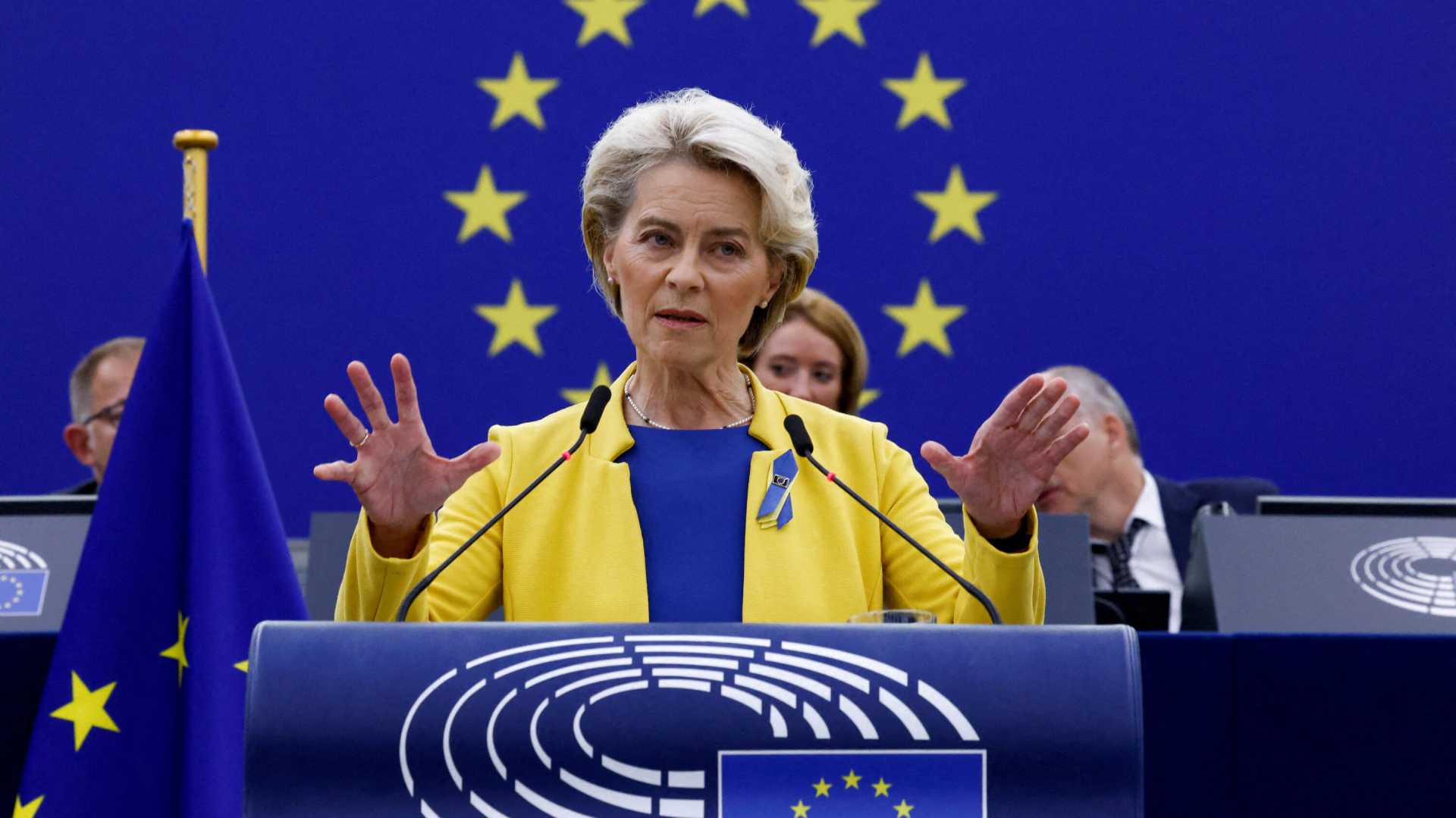
STOCKHOLM, Sweden — On October 28th, the Nordic Council of Ministers convened in Stockholm to discuss matters extending beyond national borders. During the meeting, Ursula von der Leyen, president of the European Commission, emphasized the EU’s commitment to supporting Ukraine with open-ended financial assistance.
Von der Leyen announced that the EU and Sweden are prepared to cover all of Ukraine’s economic needs related to military and budgetary support for the years 2026 and 2027. “I am very happy and grateful that the European Council has committed to covering the financial needs of Ukraine,” von der Leyen stated.
The proposal includes leveraging frozen Russian assets as collateral for loans to Ukraine. “It is a legally sound proposal,” she asserted, despite concerns over the logistical challenges and potential risks involved.
However, critics point out that should Ukraine fail to repay these loans—especially if Russia does not pay war reparations—the financial burden would shift to EU taxpayers. The estimates regarding the total financial commitment hover around €100 billion, raising alarms among member states.
Growing apprehension in countries such as Germany, France, and Belgium surfaced during discussions, with Belgium’s Prime Minister Bart De Wever expressing concern over the risks tied to the proposal. “It’s completely insane for Belgian taxpayers to be held responsible if something goes wrong,” he stated, emphasizing the need for accountability.
Most of the frozen Russian assets reside in Brussels, and using them as loan collateral has triggered significant diplomatic tensions within the EU. While some member states support the initiative, others are cautious or outright opposed, fearing the potential impact on national budgets and public trust.
As the EU continues to navigate its financial obligations to Ukraine, the reality remains stark: the promises made in Stockholm may translate into hefty bills for European citizens. The ongoing dialogue raises crucial questions about who will ultimately foot the financial load as the war in Ukraine endures.


