
Business
Grand Egyptian Museum Opens: A Journey Through Ancient Egypt

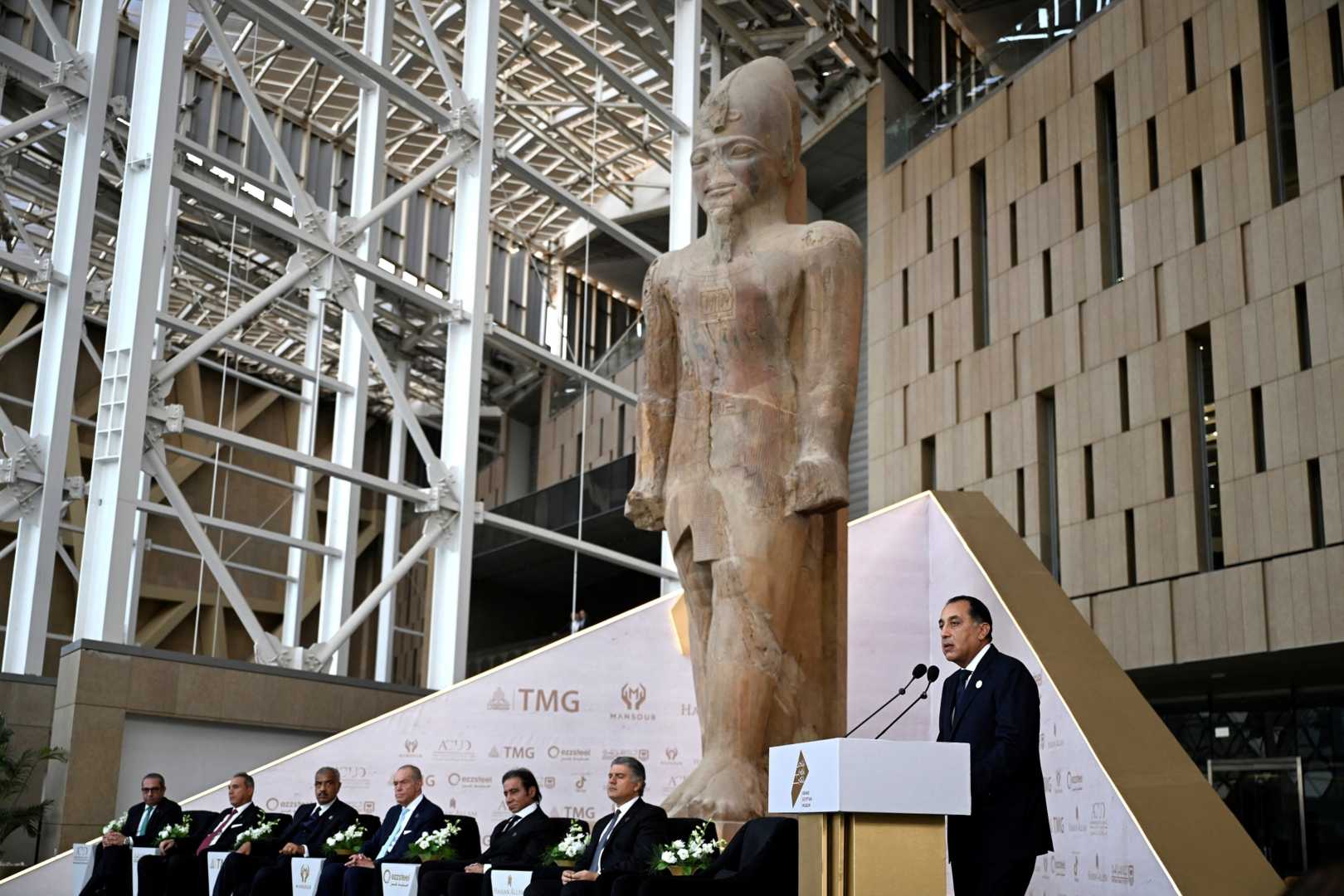
Cairo, Egypt — The Grand Egyptian Museum (GEM), touted as the world’s largest archaeological museum, opened its doors on November 1, 2025, near the Great Pyramids of Giza. Featuring over 100,000 artifacts spanning 7,000 years of history, the museum aims to boost tourism in a country long celebrated for its monumental past.
The museum marks a pivotal moment in these historical pursuits, showcasing the entire contents of Tutankhamun‘s tomb for the first time since its discovery in 1922. Highlights include the iconic golden mask and various items from the boy king’s life and afterlife, emphasizing Egypt’s rich cultural heritage.
“This museum is not just a space for ancient artifacts; it’s a narrative of our kings’ histories and their contributions,” said Ahmed Ghoneim, GEM’s museum director. “What makes this collection special is how we present it.”
Cairo’s newly inaugurated GEM is expected to attract around five million visitors annually, which could significantly enhance local and national economic growth through tourism. The construction began in 2005 and has faced multiple delays due to regional instability and global events, including the pandemic.
The grand opening ceremony saw attendance from officials across the globe, including royals and government representatives. The event included a spectacular laser light show and performances by both local artists and international musicians, celebrating Egyptian culture and history.
Former Minister of Tourism and Antiquities Dr. Zahi Hawass expressed his elation, stating, “I’m really happy to see this museum is finally opened! We need a cultural renaissance for Egypt.”
In addition to the Tutankhamun collections, the GEM will also feature objects like the funerary boats of Pharaoh Khufu and numerous artifacts less known to the public. The approach intends to foster a deeper appreciation for ancient Egyptian civilization while underlining its ongoing impact.
Notably, the opening comes during a broader discussion regarding the repatriation of Egyptian artifacts housed in foreign museums. Calls for the return of the Rosetta Stone, currently in the British Museum, and items stored in other institutions have intensified alongside the museum’s unveiling.
Dr. Zahi Hawass has led campaigns urging the return of these artifacts, emphasizing their importance to Egypt’s historical narrative. He stated he hopes for a change of heart from governing bodies of these institutions, as the Grand Egyptian Museum stands as a testament to Egypt’s legacy.
As visitors flock to the Grand Egyptian Museum, it is positioned to redefine cultural tourism in Egypt and serve as a hub for ongoing archaeological research, showcasing the nation’s rich history for generations to come.


