
Entertainment
AJ Lee and Stephanie McMahon Discuss Women’s Evolution in WWE

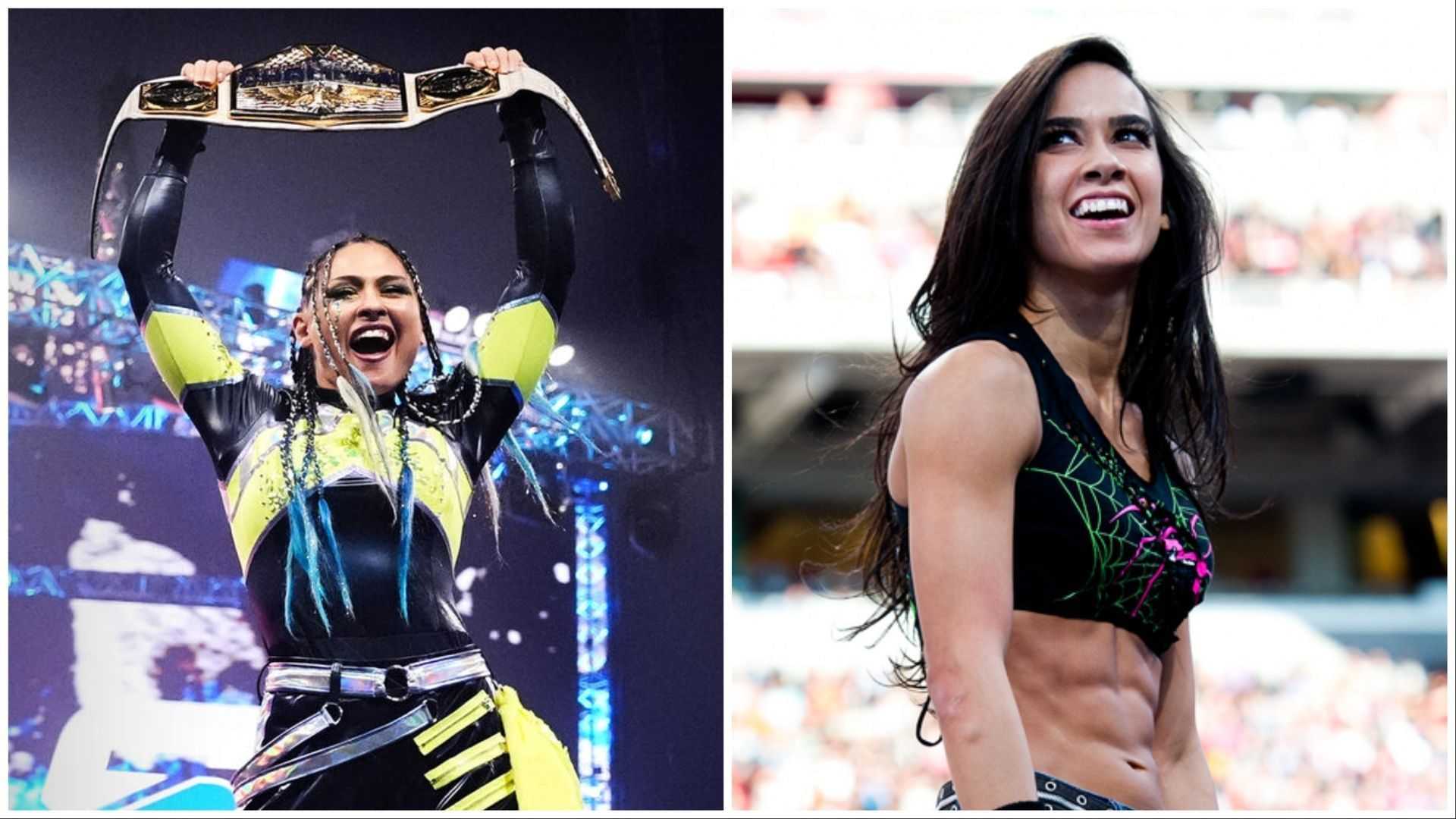
STAMFORD, Conn. — A decade ago, women in WWE faced challenges in gaining recognition and competitive matches, but significant changes have since transformed their role in the industry. In February 2015, AJ Lee, then the WWE Divas Champion, sparked a movement by voicing concerns over the disparity between male and female wrestlers.
Lee’s tweet thanking actress Patricia Arquette for advocating women’s rights included a powerful message about the unequal treatment of female wrestlers, leading to the viral #GiveDivasAChance campaign. The campaign prompted major presentations about women’s wrestling the WWE. This week, Lee and Stephanie McMahon discussed the impact of that movement and their feelings about the evolution of women in professional wrestling.
“At that time, I felt I had nothing to lose by speaking up,” Lee said. McMahon acknowledged Lee’s bravery despite being the champion at the time. ‘The audience loved you from the start… you connected with them uniquely,’ she noted.
McMahon explained that while she was in a powerful position, it was ultimately the women who pushed for change, stating, ‘The whole women’s evolution in WWE didn’t happen because of executives; it happened because of the women who paved the way.’ Lee’s actions led to significant visibility for female wrestlers, and by mid-2015, WWE made substantial investments in featuring women prominently on television.
In a recent interview, McMahon reflected on the social media explosion following Lee’s post. ‘The audience wouldn’t have gotten behind the movement if it weren’t for people like you, who stood up publicly for women,’ she emphasized.
Earlier this year, Lee returned to the ring alongside her husband, CM Punk, marking a new chapter in her career. ‘Change doesn’t happen unless there is sacrifice,’ Lee expressed, acknowledging the repercussions she faced for her advocacy.
Reflecting on the past and the strides made, McMahon and Lee demonstrated the importance of women’s voices in industries traditionally dominated by men. Their dialogue highlights that wrestling has evolved significantly, thanks to those who fought for equality and recognition.


