
News
Cuban Economy Faces Dire Challenges Amid Political Tensions

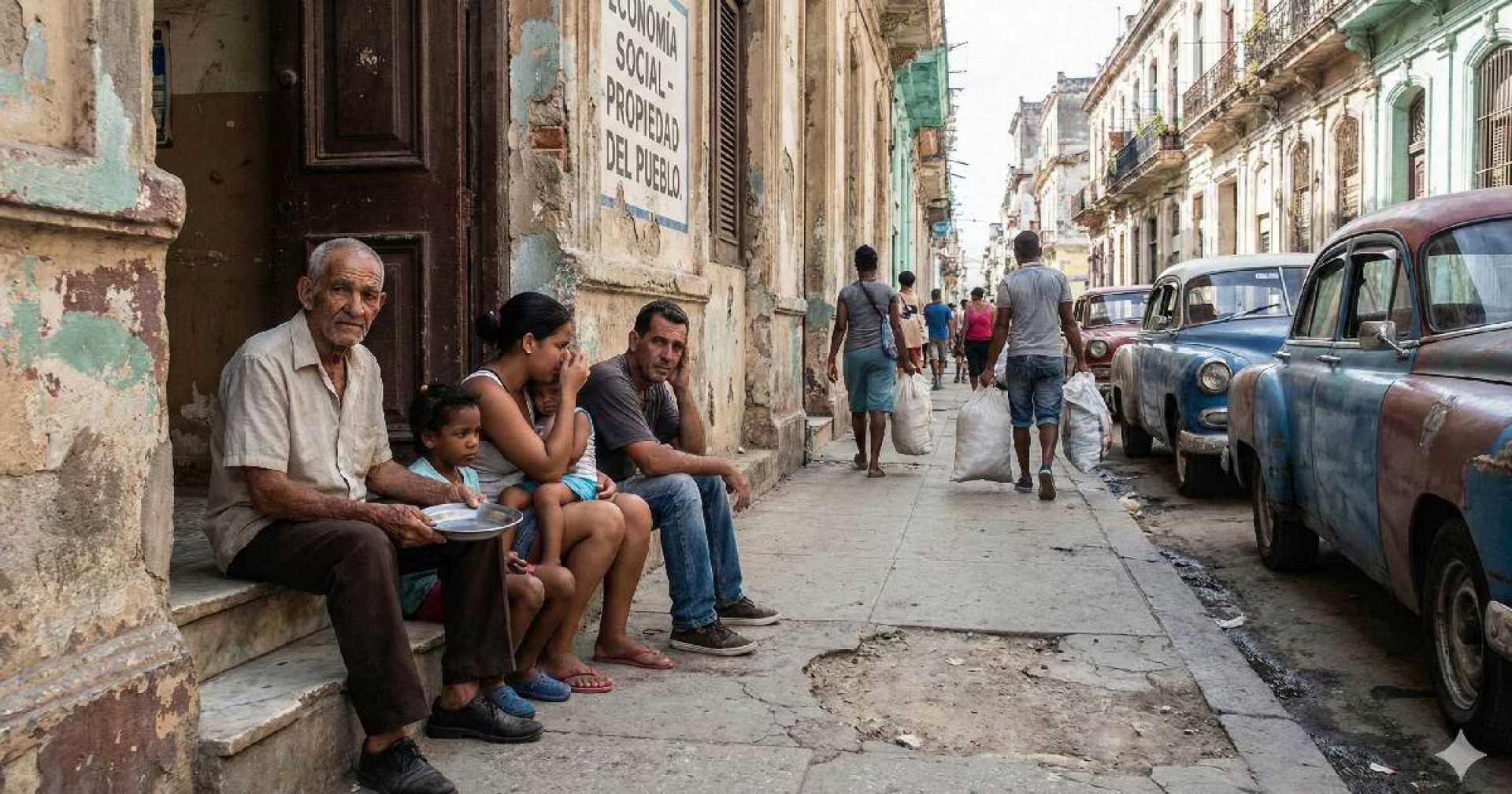
HAVANA, Cuba — Over a million Cubans have fled the island in recent years, unable to cope with the deteriorating economic conditions under President Miguel Díaz-Canel‘s leadership. After diplomatic ties were briefly restored in 2014, hopes for a brighter future quickly faded.
Since then, Cuba has experienced its worst economic crisis since the Soviet era, with a GDP decline of 11 percent since 2020. The country is grappling with widespread blackouts, rampant inflation, and food shortages. Severe weather events, like Hurricane Melissa, have further exacerbated the challenges, destroying thousands of homes and farmland.
Former President Obama initially relaxed some U.S. sanctions, which fueled a wave of foreign investment and tourism. However, a shift in U.S. policy under President Trump reversed many of those gains. The reinstatement of tougher sanctions has hindered economic prospects and led to a skyrocketing exodus of Cuban citizens seeking better opportunities abroad.
Despite initial reforms introduced by Raúl Castro, the current government has shown reluctance to fully embrace economic liberalization. Unemployment remains high, and state control over the economy continues to stifle growth. The recent legalization of small private enterprises, although a step forward, has not addressed the fundamental issues facing Cubans.
Calls for comprehensive reform echo Raúl Castro’s own warning from 2010: “We reform, or we sink.” Yet, the reality today suggests a path toward continued decline rather than recovery. The political landscape remains stagnant, with significant challenges to initiating meaningful change.
The crisis has been punctuated by massive protests in 2021, where citizens voiced their frustrations over the lack of basic supplies and the oppressive regime’s response. Thousands have faced arrest or heavy sentences for participating in these protests, leading to fears of further unrest.
With Cuba trapped between economic desperation and a politically repressive environment, immediate and decisive action is needed to prevent a deeper humanitarian crisis.


