
Tech
Google Launches WeatherNext 2 for Faster, More Accurate Weather Forecasts

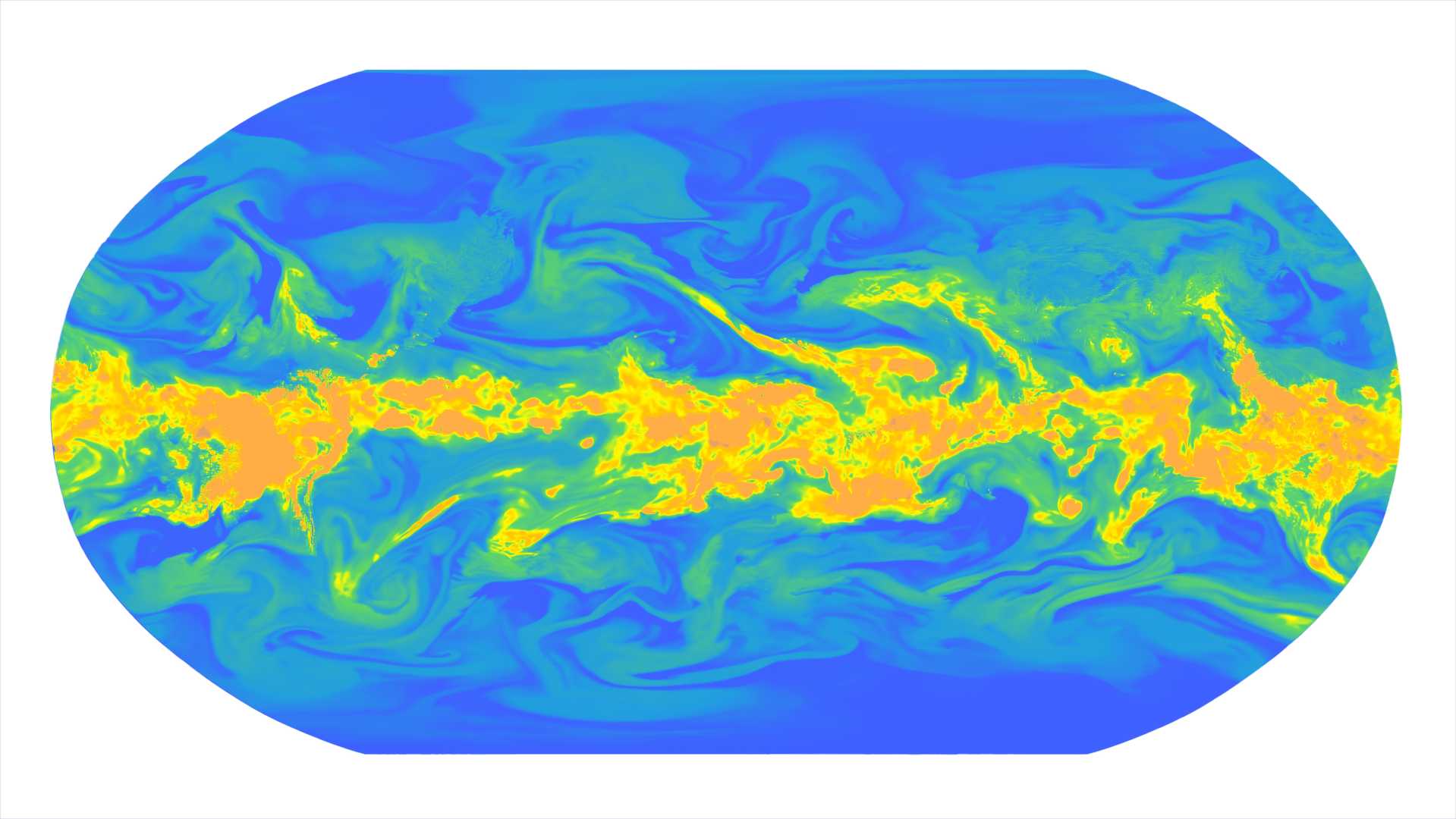
Mountain View, California — Google DeepMind announced the launch of WeatherNext 2, an advanced AI-powered weather forecasting system, on November 17, 2025. This new model can generate global weather predictions up to eight times faster than previous models, providing users with crucial information to make decisions during severe weather conditions.
WeatherNext 2 can predict hundreds of potential weather scenarios in under a minute using a single Tensor Processing Unit (TPU), a specialized chip designed for machine learning. Research scientist Peter Battaglia noted that with accurate weather predictions, critical decisions related to supply chains, energy, and agriculture can be made more effectively. “AI is transforming how we forecast weather,” Battaglia said.
The model works by assessing the most recent global weather data and employing a Functional Generative Network (FGN) that allows it to create variations in predictions. Unlike traditional models that may take hours to provide forecasts, WeatherNext 2 offers updates every hour, allowing for more timely assessments.
WeatherNext 2 shows improved performance over its predecessor, WeatherNext Gen, outperforming it on 99.9% of tested variables, including temperature, wind, and humidity, within a 15-day prediction window. “It is six times greater in resolution, and in terms of speed, it is eight times faster,” said Akib Uddin, product manager for WeatherNext 2.
Additionally, the system integrates seamlessly into popular Google services like Search, Gemini, and Pixel Weather, expanding its accessibility to everyday users. People will soon see enhanced weather information in Google Maps as part of the model’s rollout.
Looking ahead, Google is committed to improving its models by incorporating new data sources and expanding access for businesses and researchers. “We’re dedicated to advancing the state of the art of this technology and making tools available globally,” noted the team behind WeatherNext 2.
This breakthrough in weather forecasting aligns with ongoing efforts to mitigate the impacts of natural disasters and climate change, which increasingly affect communities worldwide.


