
Business
New Tidal Power Proposal Aimed at Supporting UK’s AI Energy Needs

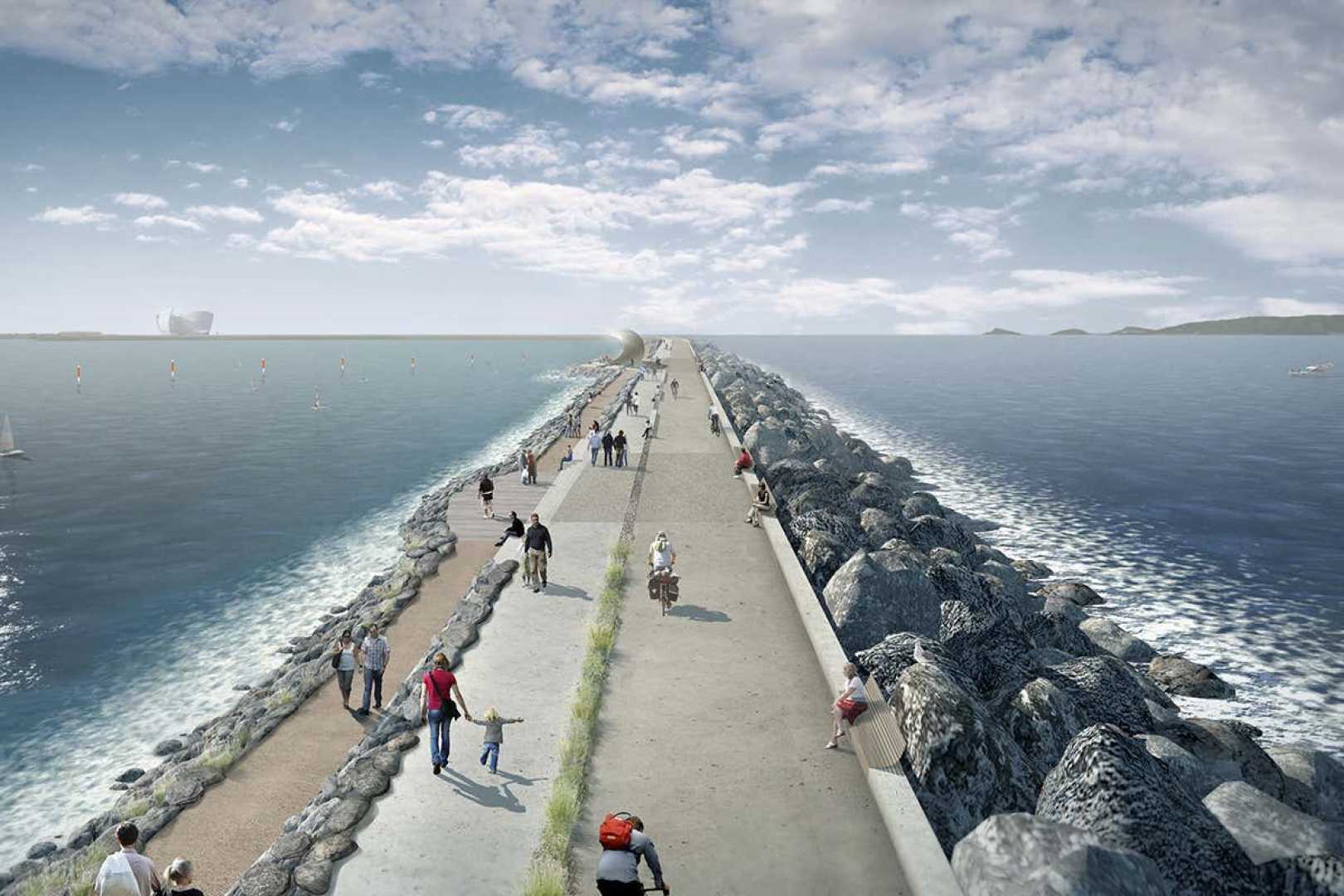
MINEHEAD, England — A team led by architect Julia Barfield, known for her designs of the London Eye, has proposed an ambitious plan for a large tidal power station off the coast of Somerset. The £11 billion project, called the West Somerset Lagoon, aims to enhance the UK’s renewable energy capacity amid rising electricity demands driven by artificial intelligence.
The project would create a 14-mile arc from Minehead to Watchet, utilizing 125 underwater turbines to harness the significant tidal range of the Bristol Channel. Barfield expressed concern that the rapid adoption of AI could escalate carbon emissions unless renewable energy solutions are implemented. She noted, “Datacentres could double energy demand, and this is a predictable and reliable source.”
The lagoon is projected to have a maximum output of 2.5GW, which is nearly equivalent to the peak capacity of the nearby Hinkley Point C nuclear power station. This energy supply could potentially power approximately 2 million homes.
The design also incorporates a pathway for cyclists and walkers, a water sports marina, and an observation tower. Local MP Rachel Gilmour supports the proposal, claiming the pathway would become “absolutely iconic.” The project also plans to create areas for marine farming, which could help revitalize the local economy.
Aidan Clegg, CEO of the consortium backing the project, stated that funding is available but hinges on governmental support. “We have got people who want to fund it, but they will only do so if the government is supportive,” he said.
Officials from the Department for Energy Security and Net Zero expressed openness to well-developed tidal energy proposals that demonstrate good value. As AI technology evolves, the energy demands are set to triple by 2035, according to the energy system operator Neso.
The West Somerset Lagoon aims to be a key part of the UK’s strategy to meet future energy requirements sustainably. Advocates of the project believe it could produce energy cost-effectively for over 120 years, making it a viable alternative to nuclear power.
Barfield reiterated the project’s potential benefits, stating, “Minehead and that whole area of West Somerset is an area of deprivation, and this project will drive positive transformation.”


