
Politics
Putin’s Visit to India Highlights Complex Diplomatic Balancing Act

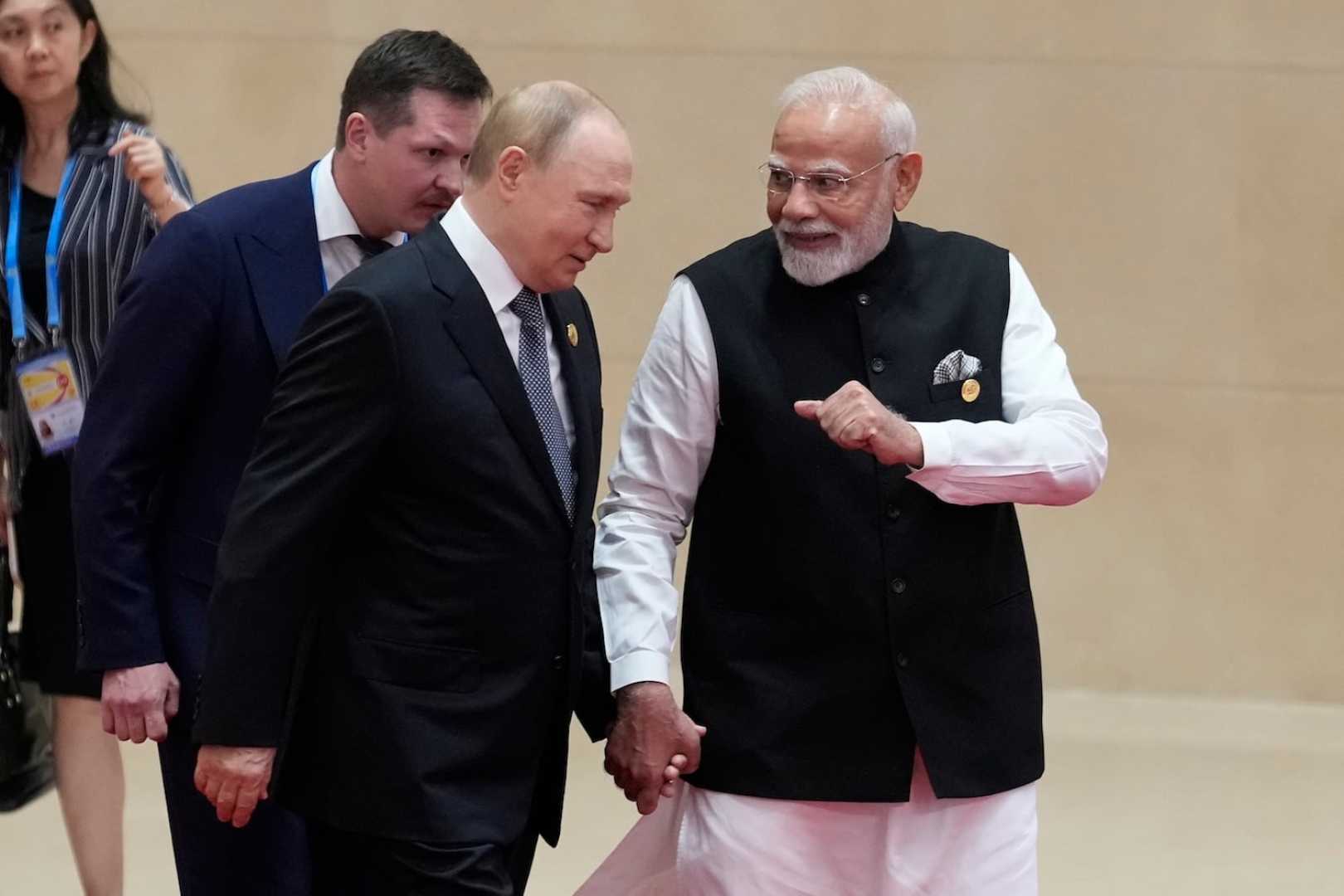
NEW DELHI, India — As Russian President Vladimir Putin arrives in India on Thursday, he will be received with formal ceremonies characteristic of India’s strongest allies. However, the visit comes at a challenging time for Prime Minister Narendra Modi, who is also trying to maintain a robust relationship with the United States.
During this diplomatic balancing act, Modi is contemplating a potential purchase of advanced fighter jets from Russia alongside ongoing negotiations for a trade deal with the U.S., after facing new tariffs imposed by President Donald Trump.
India’s strategy is particularly significant as it operates in a region marked by tensions with neighboring countries. This visit marks Putin’s first trip to India since starting the war in Ukraine, and it underscores India’s place in a rapidly shifting geopolitical landscape.
During Putin’s visit, discussions will likely revolve around deepening defense ties, which include arms purchases crucial for India amidst increasing border tensions with Pakistan and China, both of whom have established military connections.
New Delhi’s long-established ties with Moscow date back to the Cold War era, providing India with a longstanding military partnership. Despite a recent decline in arms procurement from Russia, it remains India’s top supplier, as confirmed by the Stockholm International Peace Research Institute.
The complexity of this relationship is evident in India’s response to Western sanctions. As U.S. aggression towards Russia surfaced following its invasion of Ukraine, India seized an opportunity to ramp up its imports of discounted Russian oil, becoming one of the Kremlin’s biggest customers.
In August, following India’s increased purchases of Russian crude, Trump imposed hefty tariffs on Indian goods, reflecting rising tensions amidst India’s attempts to balance its foreign policy interests.
Despite such pressures, experts assert that India is committed to its relationships with both the U.S. and Russia. Modi is keen on reassuring both parties that India occupies a pivotal role on the global stage, which has become essential given the economic challenges stemming from military operations in Europe.
Today, Modi and Putin’s discussions will likely focus on upcoming defense deals, such as acquiring Russia’s latest Su-57 fighter jet models, a necessity as India seeks to bolster its defense capabilities in a complex neighborhood.
As India continues to navigate these challenging diplomatic waters, it faces the challenge of balancing relationships without alienating any key power. This balancing act could very well define India’s foreign policy in the foreseeable future.


