
Politics
Supreme Court’s Ruling Sparks Controversy Over Immigration Practices

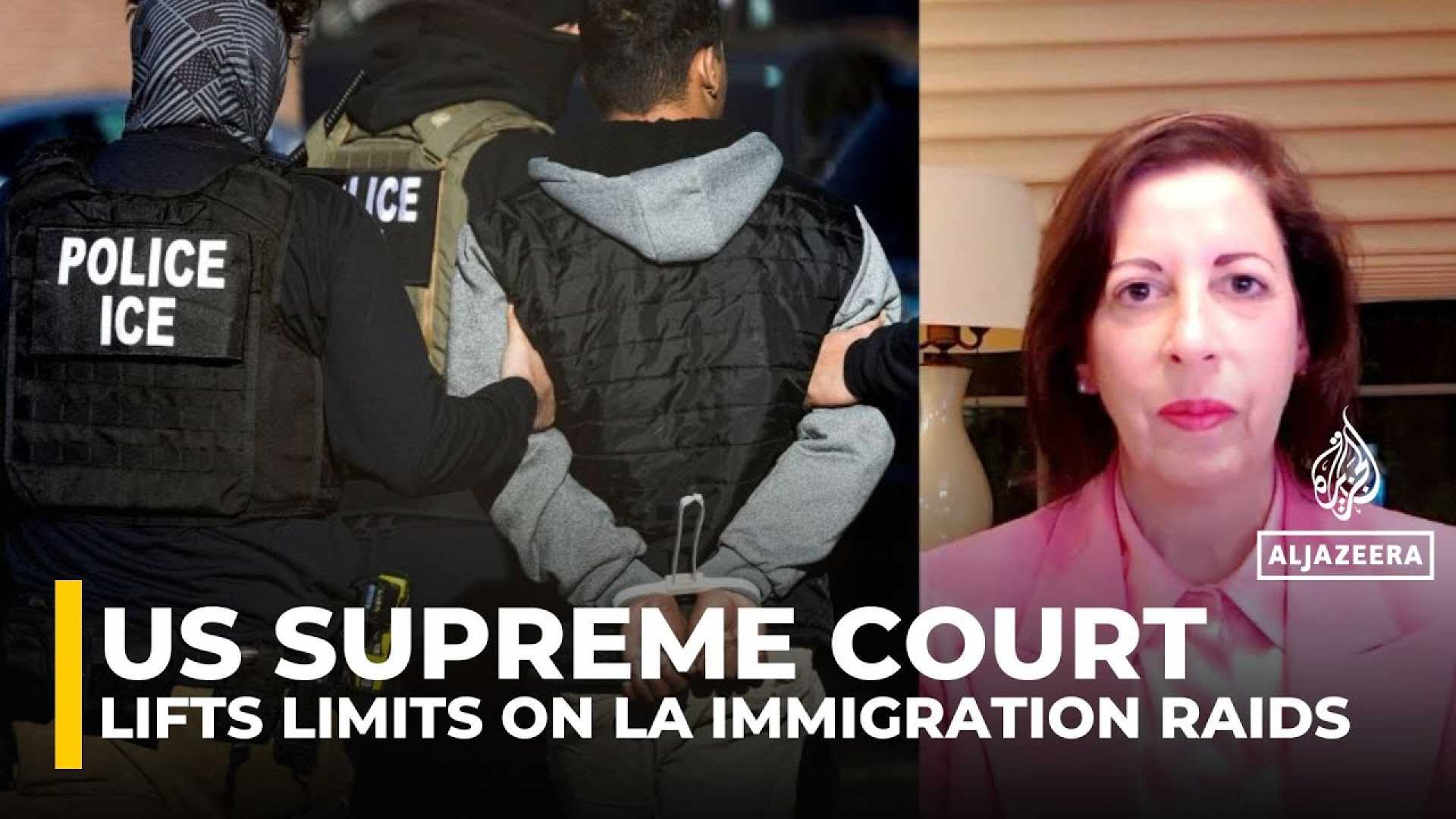
WASHINGTON, D.C. — Recent comments by Supreme Court Justice Brett Kavanaugh regarding immigration agents’ practices in the Los Angeles area have ignited controversy. Justice Kavanaugh asserted that U.S. citizens should not be alarmed by the possibility of agents considering race during immigration sweeps, claiming individuals who are citizens will be promptly released.
However, many citizens report a starkly different reality. Numerous Americans have been detained arbitrarily by immigration agents, experiencing various forms of mistreatment. Some individuals have been held without the ability to contact legal counsel or loved ones, and at least three reports involve women who were detained despite their legal status.
ProPublica conducted its own investigation and reported on over 170 incidents of U.S. citizens being held during immigration raids or protests in the first nine months of President Donald Trump’s second term. This count included around 20 children, two of whom are battling cancer, who were held with their undocumented parents without access to attorneys.
The Department of Homeland Security (DHS) has denied allegations of racial profiling, stating, “We don’t arrest U.S. citizens for immigration enforcement.” Yet, some immigration officials acknowledge that physical appearance does play a role in their assessments.
One incident involved Leonardo Garcia Venegas, a U.S. citizen who filmed immigration agents detaining his undocumented brother. Despite having a valid REAL ID, Garcia Venegas was handcuffed for over an hour and had his citizenship questioned before being released.
In another case, veteran George Retes was detained for three days without contact with the outside world, despite his legal status. His family only learned of his whereabouts through viral social media posts and a brief call he managed to make during his detention.
Experts warn that broad enforcement tactics result in racial profiling and violations of constitutional rights for both citizens and noncitizens. They argue that a shift in immigration enforcement practices may have led to increased detentions of U.S. citizens.
The Supreme Court’s recent ruling that allows for such immigration practices has faced dissent from the court’s liberal justices, who highlighted the potential for discrimination based on race and appearance. This ongoing debate over immigration enforcement and civil rights continues to escalate as communities respond to federal actions.
San Francisco Mayor Daniel Lurie recently announced that city police would not assist immigration enforcement efforts and would uphold the right to peaceful protest, reflecting the city’s commitment to support immigrant communities in face of federal actions.


