
News
Thunderstorm Outbreak Raises Fire Concerns in Northern California

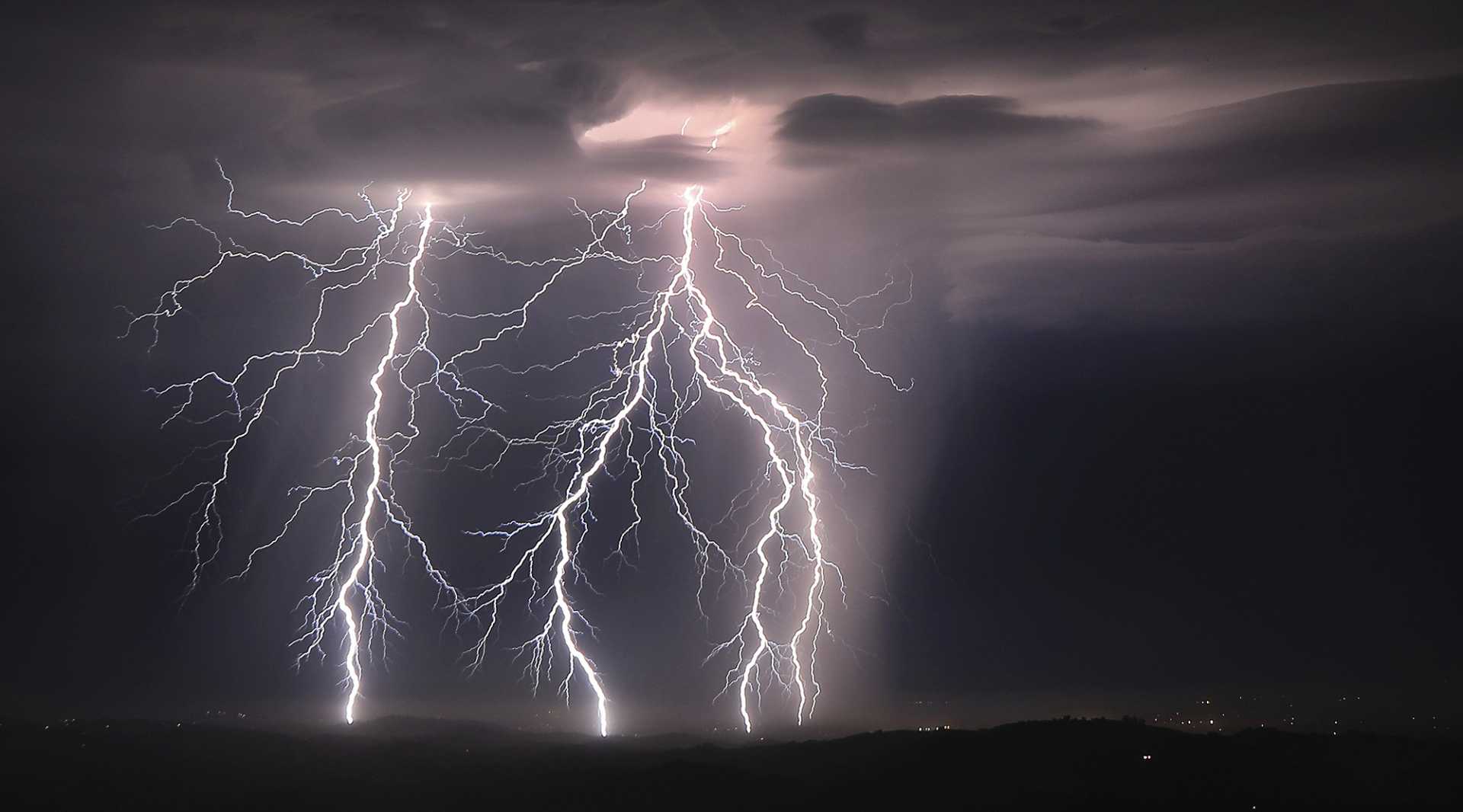
CHINESE CAMP, California — September began with a dramatic thunderstorm outbreak across central and northern California, producing thousands of lightning strikes and triggering wildfires, particularly in the Sierra Nevada foothills. This weather event, which started in early September, primarily featured dry lightning with little rainfall, leading to dozens of reported wildfires.
The most destructive fire, known as the “6-5 Fire,” severely impacted the historic community of Chinese Camp, destroying nearly 100 structures while affecting other nearby areas. Despite extensive fire activity and the devastation in Chinese Camp, experts noted that conditions could have been significantly worse.
Key factors mitigated the fire threat. First, most lightning strikes occurred over the San Joaquin Valley, an area with irrigated farmland and a developed road network, making fires easier to control. In contrast, fires in heavy brush and forest areas led to greater destruction.
Additionally, northern California is currently not facing severe drought conditions, in stark contrast to previous years. This relative humidity and recent rains have contributed to lower wildfire risk, slowing the spread of vegetation fires.
Weather forecasts suggest more thunderstorms may develop later this week. As remnants of Tropical Storm Mario move northward, meteorologists warn that conditions may lead to increased thunderstorm activity across the state. Forecast predictions indicate that southern California may experience more wet thunderstorms, while northern regions could see dry thunderstorms, increasing wildfire risks.
It is crucial for residents in the fire-prone areas to remain vigilant over the coming days. While moisture levels are expected to rise, the combination of dry conditions and lightning could still spark new fires, particularly in central and northern California.
Looking ahead, weather specialists emphasize that the complex interplay between moisture, atmospheric stability, and vertical motion will influence the outcome. Details on where and when thunderstorms will form remain unclear. However, some areas in southern California are likely to receive beneficial rainfall, while northern regions may face heightened fire risk from dry thunderstorms.
In conclusion, while forecasts indicate potential thunderstorms, northern California’s current state of vegetation and moisture will differ greatly from previous extreme fire seasons, contributing to a less dire wildfire outlook.


