
Politics
Trump Backs Carlson After Controversial Interview with Nick Fuentes

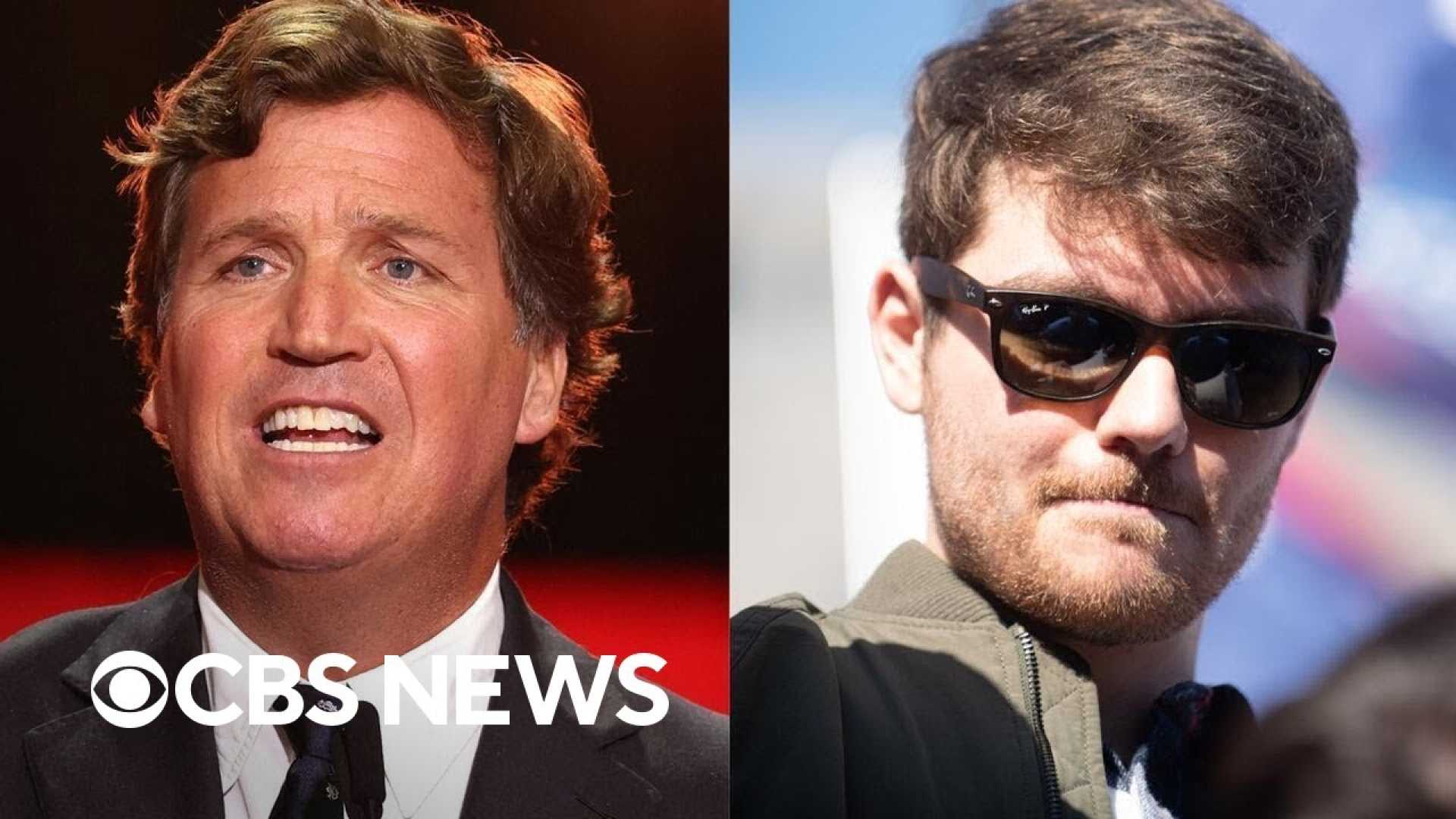
Washington, D.C. — President Donald Trump defended Tucker Carlson on Sunday after the former Fox News host’s interview with white supremacist Nick Fuentes provoked backlash from within the Republican Party.
Trump spoke to reporters on the tarmac before returning to the White House from Florida. When asked about Carlson’s interview, which featured Fuentes—known for making racist and antisemitic remarks—Trump stated, “You can’t tell him who to interview.” He acknowledged some familiarity with Fuentes, despite previously dining with him at Mar-a-Lago in 2022.
During the interview, which garnered over five million views, Fuentes openly expressed controversial views and described December 18 as an important date: Joseph Stalin‘s birthday. Carlson, while not directly challenging Fuentes, mentioned they would “circle back” to the topic, which did not occur. This prompted swift criticism from various Republican leaders.
Senator James Lankford of Oklahoma expressed his disapproval on “Meet the Press,” stating, “That’s not a conservative ideology at all… that’s a hateful rhetoric inconsistent with the United States Constitution.” Other prominent conservatives, such as Fox News’ Mark Levin and Daily Wire co-founder Ben Shapiro, also condemned Carlson’s decision to host Fuentes.
Levin, during a Republican Jewish Coalition gathering, referred to Fuentes as “little Adolf,” suggesting he embodies extremes of hate. Many party members, including Senators Ted Cruz and Lindsey Graham, echoed these sentiments, indicating a split within the GOP regarding how to address these ideologies.
In response to the controversy surrounding Fuentes, Trump noted, “If he wants to do it, get the word out, let him… ultimately, people have to decide.” This comment comes amid ongoing debates about the acceptance and promotion of extremist views within the Republican Party.
Despite being banned from many social media platforms, Fuentes has found a following online, particularly among a group known as the Groypers, who identify as Christian nationalists. His influence raises concerns about the normalization of such views in today’s political climate.


