
Politics
Trump’s Death Threat Comments Spark Bipartisan Backlash

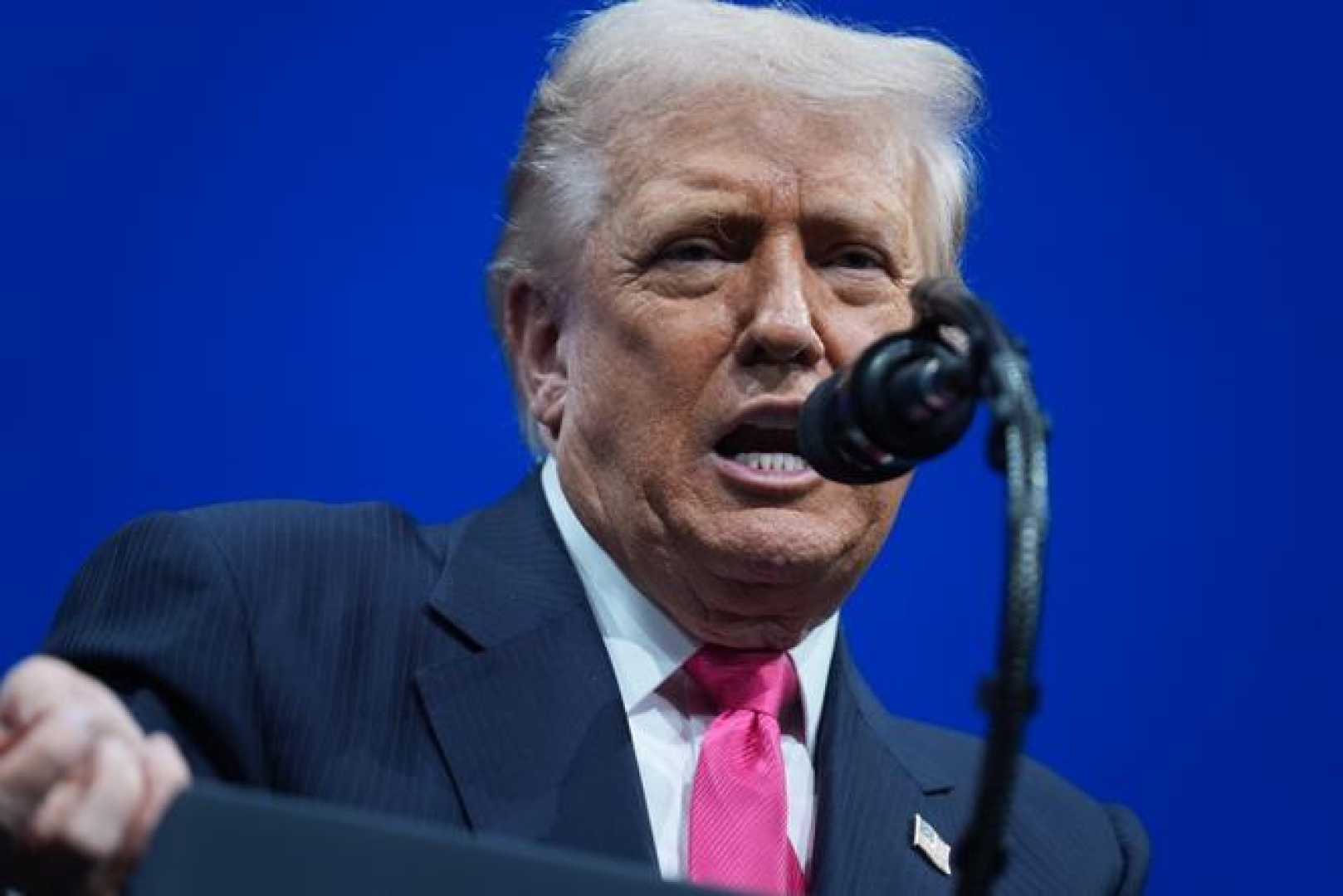
WASHINGTON, D.C. — President Donald Trump‘s remarks about Democratic lawmakers could have serious ramifications, with critics across party lines condemning his choice of words. During a conversation on November 23, 2025, Trump accused the six Democrats featured in a controversial video of encouraging military members to reject ‘illegal orders.’
Sen. Elissa Slotkin, one of those lawmakers, appeared on ABC News‘ ‘This Week’ and labeled Trump’s comments as a ‘tool of fear.’ She stated, ‘He’s trying to get us to shut up because he doesn’t want to talk about this,’ adding that Trump’s rhetoric distracts from pressing issues like the Jeffrey Epstein files and the economy.
Republican Rep. Michael McCaul distanced himself from the comments, affirming, ‘I don’t speak for the president in terms of hanging members of Congress.’ He suggested a need to ‘tone down the rhetoric’ and focus on policy matters.
The White House, along with Trump, denied any intent to threaten lawmakers’ lives. Despite these denials, several of the accused legislators reported receiving a surge of threats, which necessitated enhanced security measures for them.
Trump, reiterating accusations on Saturday, referred to the lawmakers as ‘traitors’ and suggested they should be imprisoned instead of facing media scrutiny. Slotkin defended the original video, stating it was a response to officers raising concerns over legality with military orders, emphasizing the need for service members to consult their Judge Advocate General (JAG) officers.
‘There is such a thing as illegal orders,’ Slotkin remarked, referencing historical precedents like the Nuremberg trials. She clarified that while she doesn’t have concrete evidence of illegal orders from the president, there are complex legal issues surrounding military actions in the Caribbean and Venezuela.
McCaul disagreed, asserting that the orders connected to anti-drug efforts are legitimate. ‘These are orders based on Article 2 self-defense of the Constitution,’ he claimed, reinforcing his belief that the criticisms against military directives are unfounded.
In the same interview, Slotkin voiced concerns over potential military roles in domestic situations, stressing their potential risks to civilians. ‘It makes me incredibly nervous that we’re about to see military and law enforcement personnel confront American citizens in a stressful context,’ she explained.
As the dialogue unfolds, it raises deeper questions about military engagement in domestic affairs and legality in combating national threats.


