
Politics
Trump Tightens Immigration Rules After Shooting of National Guard Soldiers

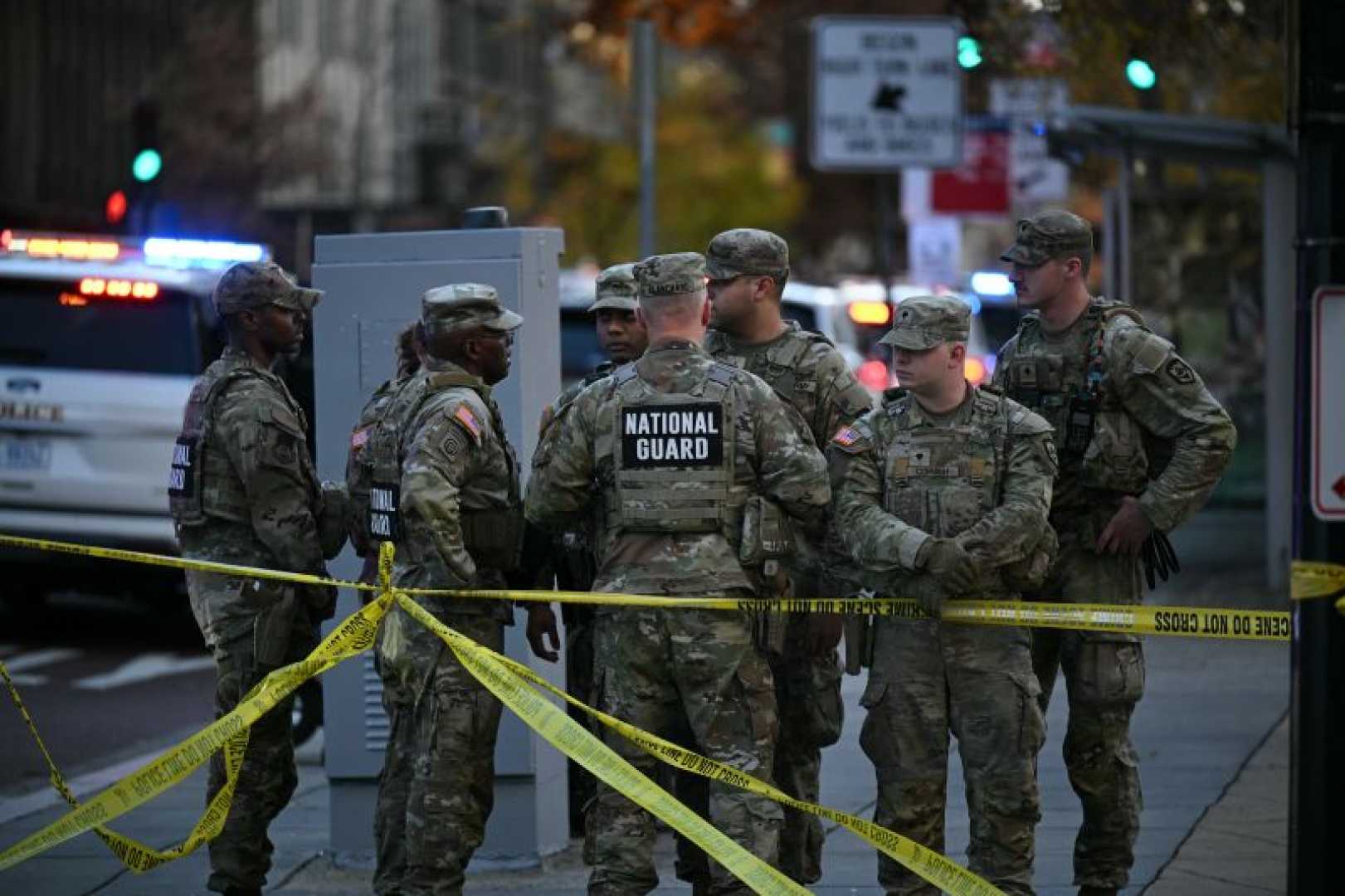
PALM BEACH, Fla. — President Donald Trump has intensified his crackdown on immigration following the shooting of two West Virginia National Guard soldiers. The attack, allegedly committed by an Afghan national, Rahmanullah Lakanwal, has sparked renewed scrutiny over the vetting of refugees.
The incident occurred when Lakanwal, 29, who was granted asylum earlier this year, opened fire on the soldiers who were deployed to Washington, D.C., under Trump’s public safety campaign. Specialist Sarah Beckstrom, 20, was killed, and Staff Sgt. Andrew Wolfe, 24, was injured in the attack.
Homeland Security Secretary Kristi Noem stated on ABC News that Lakanwal may have been “radicalized” after arriving in the U.S. He was admitted during the Biden administration for assisting American forces in Afghanistan.
Noem criticized the Biden administration for allegedly failing to properly vet Afghan refugees. In response to the shooting, U.S. Citizenship and Immigration Services (USCIS) has announced a thorough reexamination of green cards for immigrants from high-risk countries.
Trump indicated that decisions on asylum could be paused for an extended period. “We don’t want those people. We have enough problems,” he said aboard Air Force One. He also suggested he would consider denaturalizing naturalized Americans involved in criminal activities.
Noem emphasized the necessity of stricter vetting for asylum applications, declaring that individuals from unstable nations should not be allowed entry until they are properly vetted. “I’m so grateful that President Trump has taken the action that he’s taken,” she said.
Experts have raised concerns that Trump may be using the shooting as a reason to push his immigration agenda further. Colorado State University professor Ariel Sagás noted that this incident is being framed to support Trump’s long-standing focus on immigration issues.
Shawn VanDiver, president of AfghanEvac, condemned the actions taken against Afghan refugees, arguing that collective punishment based on one individual’s actions is unjust. “This is wrong on the facts, wrong on the law, and a betrayal of the promises this country made to its wartime allies,” he stated.
Asylum case approvals have become increasingly rare, with only about one in five applicants granted status this past year. The emphasis on national security concerns raises alarms among advocates worried about the impacts on innocent immigrants.
Polling indicates that while many Americans want to see violent criminals deported, there are concerns regarding the treatment of legal immigrants under stricter immigration policies. Sagás cautioned that as Trump’s administration continues to tighten immigration rules, this issue might not remain as potent politically as it has been in the past.


