
Business
Bank of England Cuts Rates to Stimulate Economy Amid High Inflation

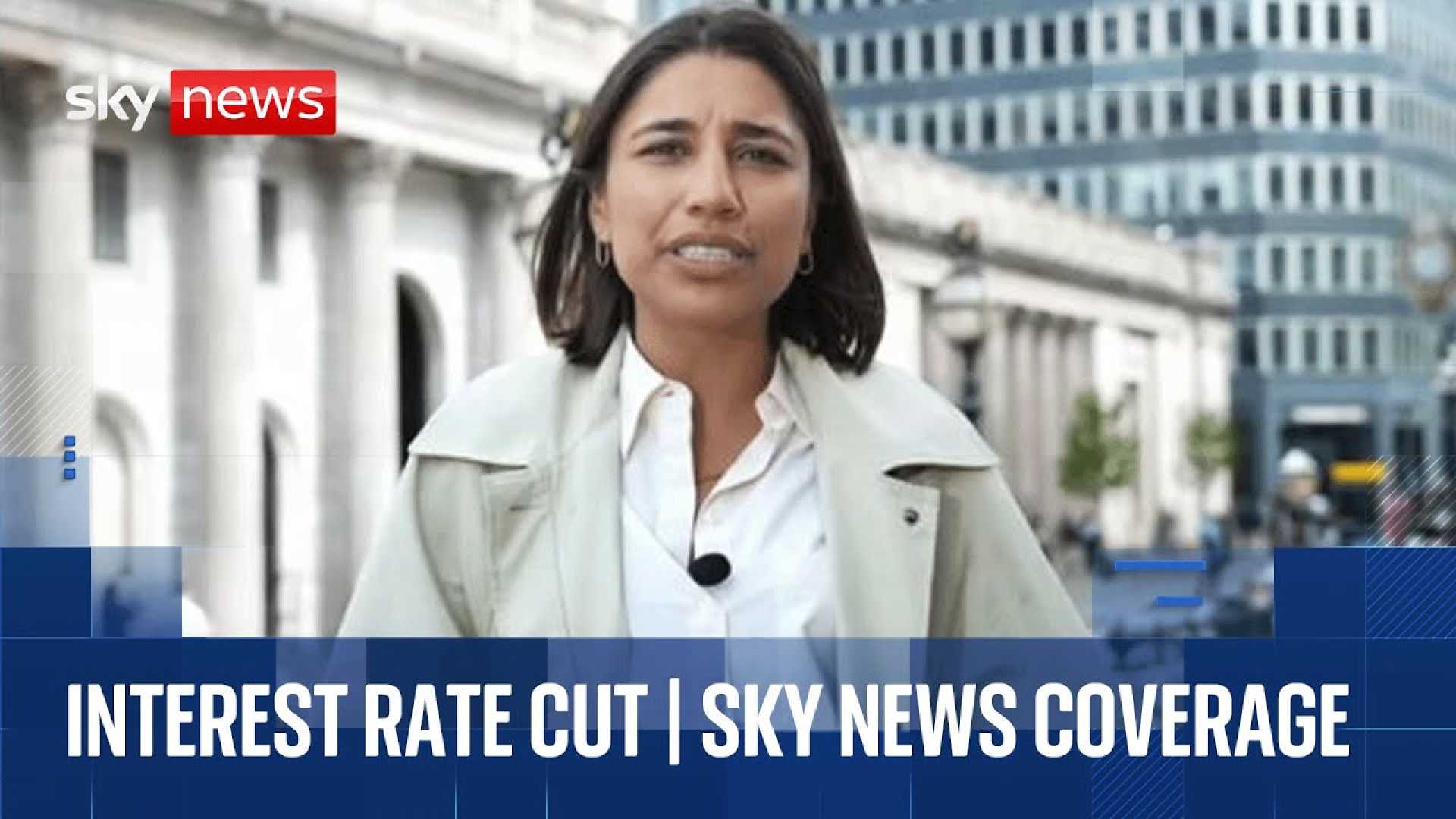
London, UK — The Bank of England has cut interest rates to 4% as of August 2025, marking the lowest borrowing cost in over two years. This decision came after an unprecedented second vote among its policymakers, making it the fifth rate cut within the year.
Lower interest rates aim to affect various financial products such as mortgages, credit cards, and savings, with the Bank’s base rate serving as the benchmark for how much other banks charge for loans. By lowering rates, the Bank hopes to foster spending and investment to help stimulate the sluggish economy.
Currently, inflation remains a concern, exceeding the Bank’s target of 2%. The most recent measure of inflation, known as the Consumer Price Index (CPI), indicated rates at 4%, which is an increase from 3.6% the previous month, largely driven by higher food prices and an uptick in airfares during the summer holiday season.
In August, the Bank’s nine-member committee narrowly voted 5-4 to reduce rates, following a unique proposition for a more significant cut of half a percentage point. This close vote suggests future adjustments to rates will also likely face similar scrutiny amid predictions of inflation peaking at 4% in September.
Andrew Bailey, Governor of the Bank of England, asserted that although rates are decreasing, any future cuts will be made cautiously. The job market’s downturn, reflected in declining payroll numbers and job vacancies, adds another layer of complexity to the Bank’s decision-making process, especially as the jobless rate has risen.
Mortgage rates are also fluctuating; approximately one-third of UK households hold mortgages that track the Bank’s rate. Fixed-rate mortgage rates remain high, with a two-year fixed average at 4.98% as of August 20, which means new homebuyers may face higher borrowing costs compared to past years.
Average savings account rates have decreased to 2.64%, which could significantly impact individuals reliant on interest from their savings to supplement their income. As the Bank looks to stimulate growth while keeping inflation in check, the future of interest rates remains uncertain.
The outlook suggests that the Bank will weigh the overall economic indicators, job market stability, and global economic trends, including increased uncertainty from geopolitical tensions, before proceeding with further adjustments.


