
Health
CDC Vaccine Panel Votes on COVID-19 and Child Vaccination Changes

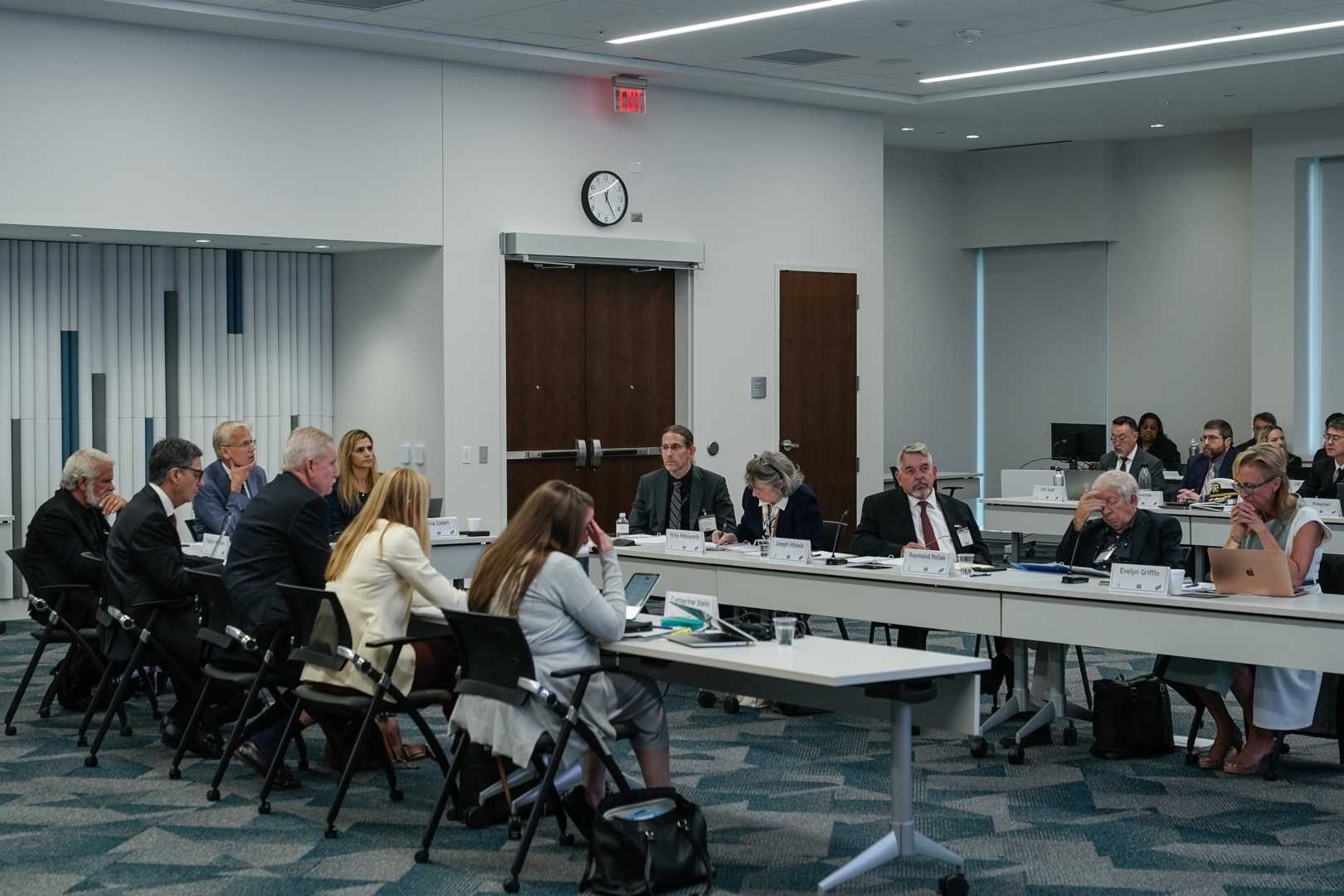
Atlanta, GA — A contentious meeting of the Advisory Committee on Immunization Practices (ACIP) took place on September 18, 2025, as members debated significant changes to vaccination policies amid confusion and disagreement. The meeting, led by Health Secretary Robert F. Kennedy Jr.’s appointees, examined recommendations for both COVID-19 and childhood vaccines.
In a close vote, ACIP members decided against a proposal requiring prescriptions for COVID-19 vaccinations, although they recommended that individuals who want the shots discuss risks and benefits with a clinician. This marks a departure from previous practices where vaccines were more easily accessible.
Retsef Levi, a committee member from MIT, emphasized the importance of discussing safety concerns about the COVID-19 vaccines. “This is ample published research that suggests some serious safety uncertainties and concerns,” he stated during the meeting. Some experts, however, pointed out that the risks highlighted during discussions were often speculative.
ACIP Chairman Martin Kulldorff voted against the prescription requirement, ultimately leading to its rejection. The group’s new recommendations suggest a “shared decision-making” process for adults aged 65 and older and younger individuals, stressing that benefits are greatest for those at high risk.
The ACIP also debated changes regarding the hepatitis B vaccine for newborns but tabled the vote after internal dissent. There was pushback against altering the current guideline, which mandates hepatitis B vaccinations at birth. Critics worry that delaying this vaccine could reverse progress made in reducing hepatitis B infections.
“If we change the recommendations, we will increase the risk of harm based on no evidence of benefits because there will be fewer children who get the full hepatitis B series,” cautioned Dr. Cody Meissner, an ACIP member.
The panel faced heavy scrutiny for its process and decisions, with several medical group representatives expressing concerns over the potential impact on public health and vaccine acceptance. Many voiced fears that the political influence from Kennedy’s appointments could undermine established scientific protocols.
As the CDC typically adopts ACIP’s recommendations, the final approval will rest with the acting CDC Director Jim O’Neill. The recent meeting reflects ongoing tensions around vaccine policy and the significant implications of any changes.


