
Business
Convenience Stores Evolve Into Food Destinations Amid Pandemic Growth

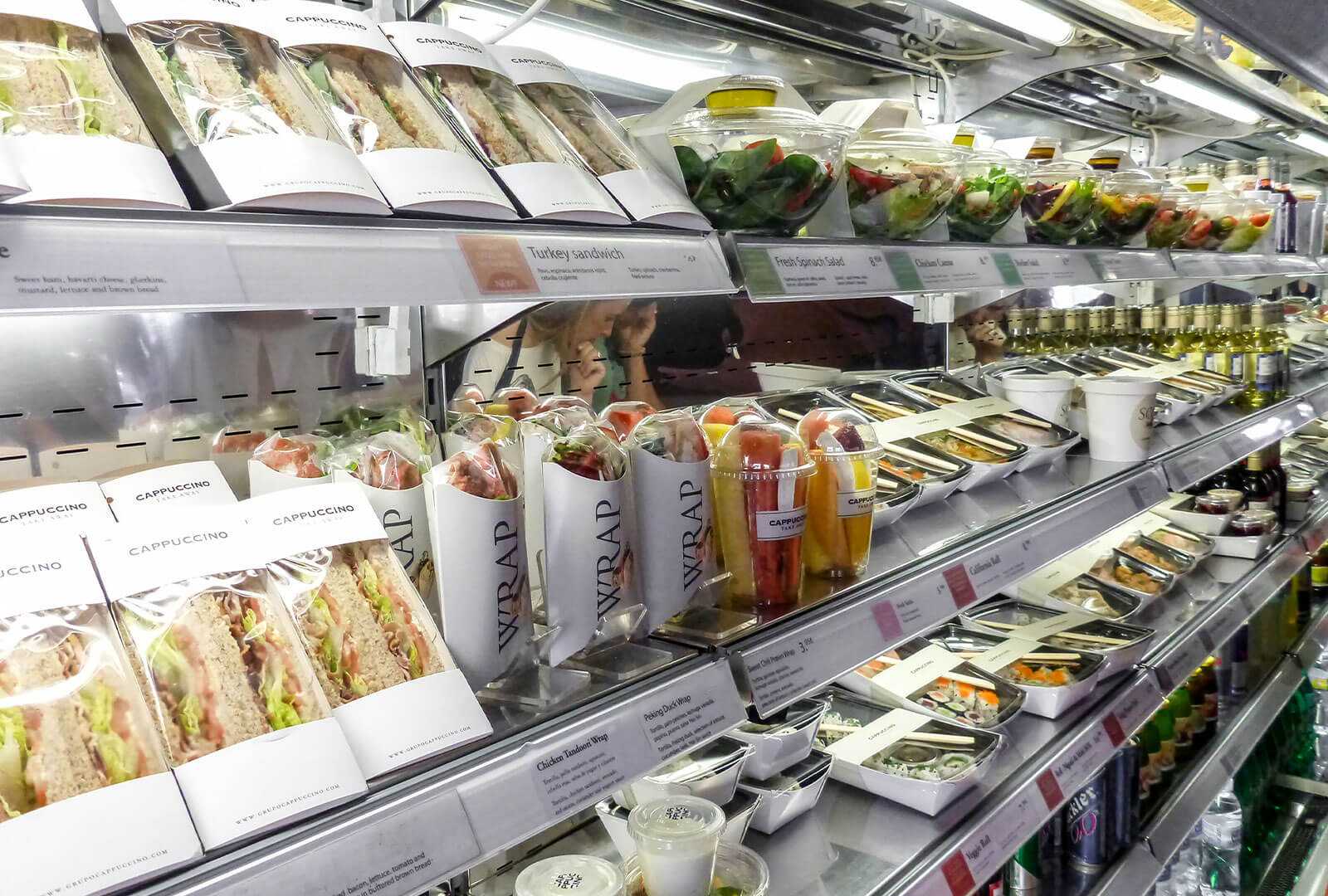
NEW YORK, NY – Convenience stores, once known for roller-grill snacks and packaged goods, are transitioning into major food destinations. As consumer preferences shift, chains like Wawa and Buc-ee’s are upping their game, offering menu options that rival traditional quick service restaurants (QSRs).
Aaron Garcia, a partner at Main Post Partners, discussed this transformation in a recent interview with QSR magazine. He noted that the move toward higher-quality food in convenience stores is driven by consumer demand and competition from well-known brands like Krispy Krunchy Chicken and Hunt Brothers Pizza.
For over two decades, operators in the convenience store sector have responded to evolving customer expectations. With more than 150,000 convenience stores across the U.S., many are now offering freshly prepared items such as pizza, sandwiches, and tacos, blurring the lines between convenience stores and sit-down restaurants.
The COVID-19 pandemic further accelerated this trend. As some restaurants closed during lockdowns, convenience stores remained open, attracting new customers as their behavior changed. Today, food service within these stores represents a more stable and profitable revenue stream compared to traditional fuel sales.
According to the National Association of Convenience Stores (NACS), inside sales have grown steadily for 22 years, with food service being the main driver behind this success. Higher margins from food offerings have pushed operators to innovate and expand their menus.
Larger convenience chains often create private label food brands to boost sales, while independent stores are leveraging third-party partnerships to stay competitive. For example, introducing a brand like Krispy Krunchy Chicken can lead to sales increases of 15-20 percent, benefiting from increased customer traffic.
As competition intensifies, convenience stores must also invest in equipment, labor, and infrastructure to enhance their food service models. Some operators have developed comprehensive systems to meet these demands, while others utilize existing spaces to introduce new food programs with the help of third-party brands.
Nonetheless, convenience stores maintain an edge over traditional QSRs by offering a more diverse shopping experience. They can attract customers who visit for multiple reasons, such as fueling their vehicles or grabbing food. As food service offerings continue to evolve, the lines between convenience stores and traditional restaurants are likely to blur even further.
This trend suggests a significant shift in how consumers perceive food options at convenience stores, with customer satisfaction and quality becoming crucial for future success.


