
Politics
China Accuses U.S. of Cyberattacks on National Time Service Center

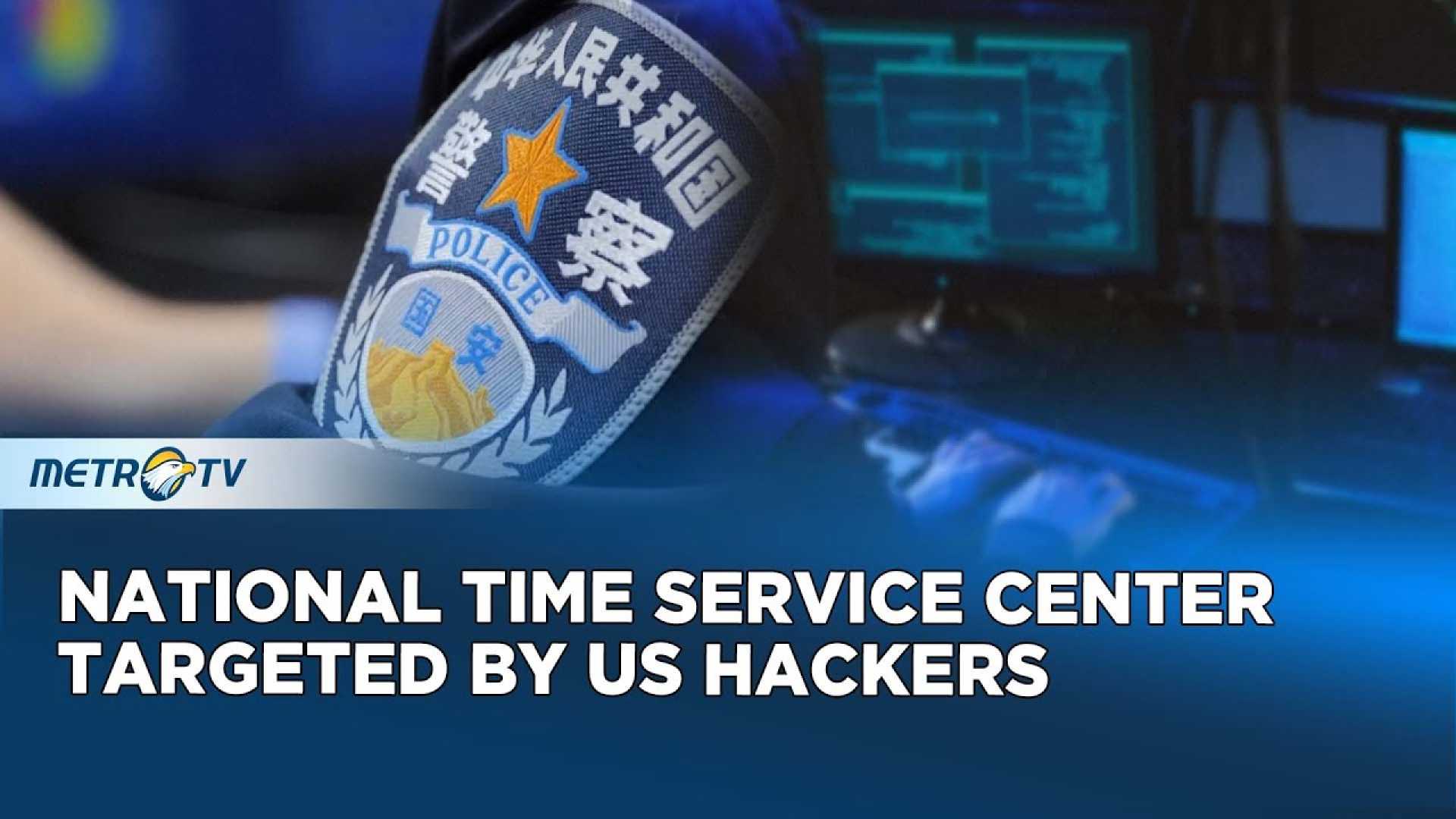
BEIJING, China — China has accused the U.S. National Security Agency (NSA) of conducting prolonged cyberattacks on its National Time Service Center, raising concerns about potential disruptions to critical infrastructures.
In a statement posted on WeChat by the Ministry of State Security on Sunday, the Chinese government claimed that American intelligence infiltrated the center, stealing data that dates back to 2022. The ministry reported that these actions posed significant threats to communication networks, financial systems, power supply, and the integrity of international standard time.
The ministry stated that the U.S. exploited vulnerabilities in the messaging services of a foreign smartphone brand, which it did not identify, to gain access to the mobile devices used by staff at the center. It reported that the NSA’s activities included over 42 specialized cyberattack tools aimed at various internal systems.
The National Time Service Center is affiliated with the Chinese Academy of Sciences, and it plays a crucial role in generating and distributing China’s standard time. The ministry warned that disruptions to this service could have severe impacts across multiple sectors, including communication, finance, and defense.
Furthermore, the Chinese state security officials indicated that the NSA attempted further attacks during 2023 and 2024, targeting the center’s high-precision timing systems. They labeled these cyberattacks as “long-term” and “highly covert,” employing advanced espionage tactics.
The U.S. embassy in Beijing did not respond to these specific accusations, but a spokesperson reiterated claims that China is responsible for compromising significant telecommunications networks in the U.S. and globally. The representative described China as a persistent cyber threat to the United States.
These renewed accusations come amid heightened tensions between the two countries, particularly due to China’s recent rare earths export controls and the U.S.’s consideration of increasing tariffs on Chinese goods. This ongoing exchange of allegations illustrates the escalating cyber conflicts that have marked U.S.-China relations in recent years.


