
Politics
Youngkin’s Approval Fails to Boost Earle-Sears in Virginia Gubernatorial Race

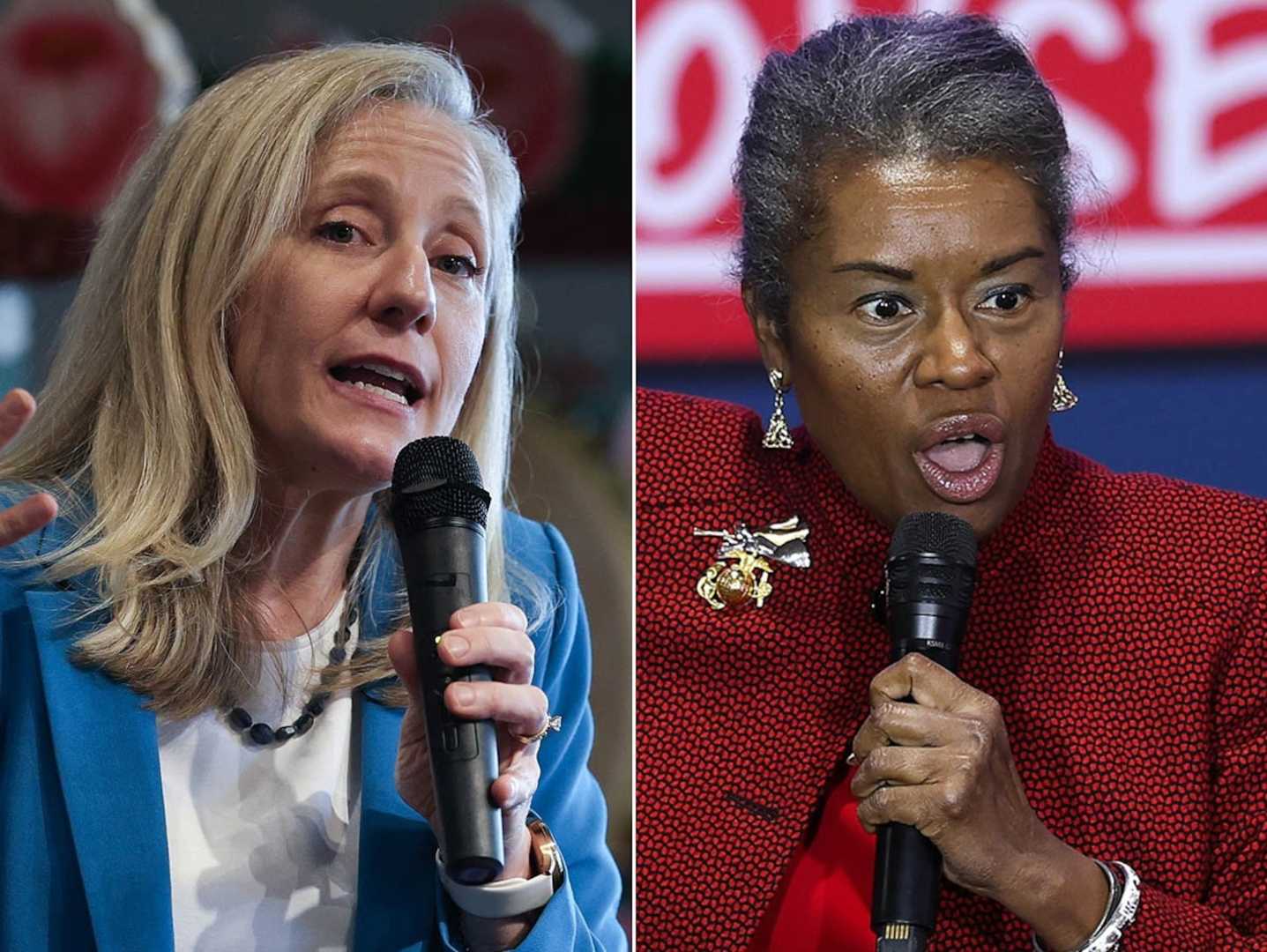
Charlottesville, Virginia — Republican Governor Glenn Youngkin holds a 50 percent approval rating in Virginia, yet his backing does not appear to help his chosen successor, Lieutenant Governor Winsome Earle-Sears, in the upcoming gubernatorial race. Current polling from Roanoke College shows Earle-Sears trailing her opponent, former Democratic Representative Abigail Spanberger, by 10 points.
The 2025 election season features two notable gubernatorial contests, in Virginia and New Jersey, which could serve as indicators of President Donald Trump’s ongoing influence. Despite Virginia traditionally leaning more Republican, Spanberger maintains a significant lead in polls, creating a challenging landscape for Earle-Sears.
Earle-Sears faces unique hurdles, including sluggish fundraising and the absence of Trump’s endorsement. Critics have pointed out that Youngkin’s success in expanding Virginia’s data center industry has backfired politically for Earle-Sears. Many residents express concerns regarding the energy demands and environmental impacts associated with data centers, leading to rising costs and decreased quality of life.
“Citizens across the political spectrum are very concerned about how these high energy use data centers will negatively impact the built environment of Virginia,” said Mar Hicks, a professor at the University of Virginia School of Data Science. “Communities are vocal about wanting to slow the issue down to seek better answers.”
While acknowledging that data centers provide tax revenue, Hicks noted they do not offer many long-term jobs, making them a “sleeper issue” for Virginia voters worried about energy costs. A recent analysis highlighted a drastic increase in electricity costs, rising by up to 267 percent in areas with significant data center activity.
Youngkin has played a key role in this growth, securing substantial investments from technology giants such as Amazon and Google. However, he also vetoed legislation aimed at imposing new requirements on data centers, igniting further controversy.
Spanberger has capitalized on these issues, promising to lower energy prices by ensuring data centers contribute fairly to electricity costs. “Abigail believes Virginia needs a statewide strategy on data centers,” said Libby Wiet, Spanberger’s spokesperson. “When communities want data centers, the state must ensure resource considerations are met.”
In debates, Earle-Sears has redirected attention to Democratic policies, but critics, including Hicks, have questioned her claims about rising energy costs. The conversation surrounding data centers will likely be pivotal for both candidates moving forward, especially as dependence on technology increases.
As the election approaches, the outcome could have significant implications for the state and potentially indicate the shifting political landscape in Virginia.


