
Entertainment
Several Countries Boycott Eurovision Over Israel’s Participation

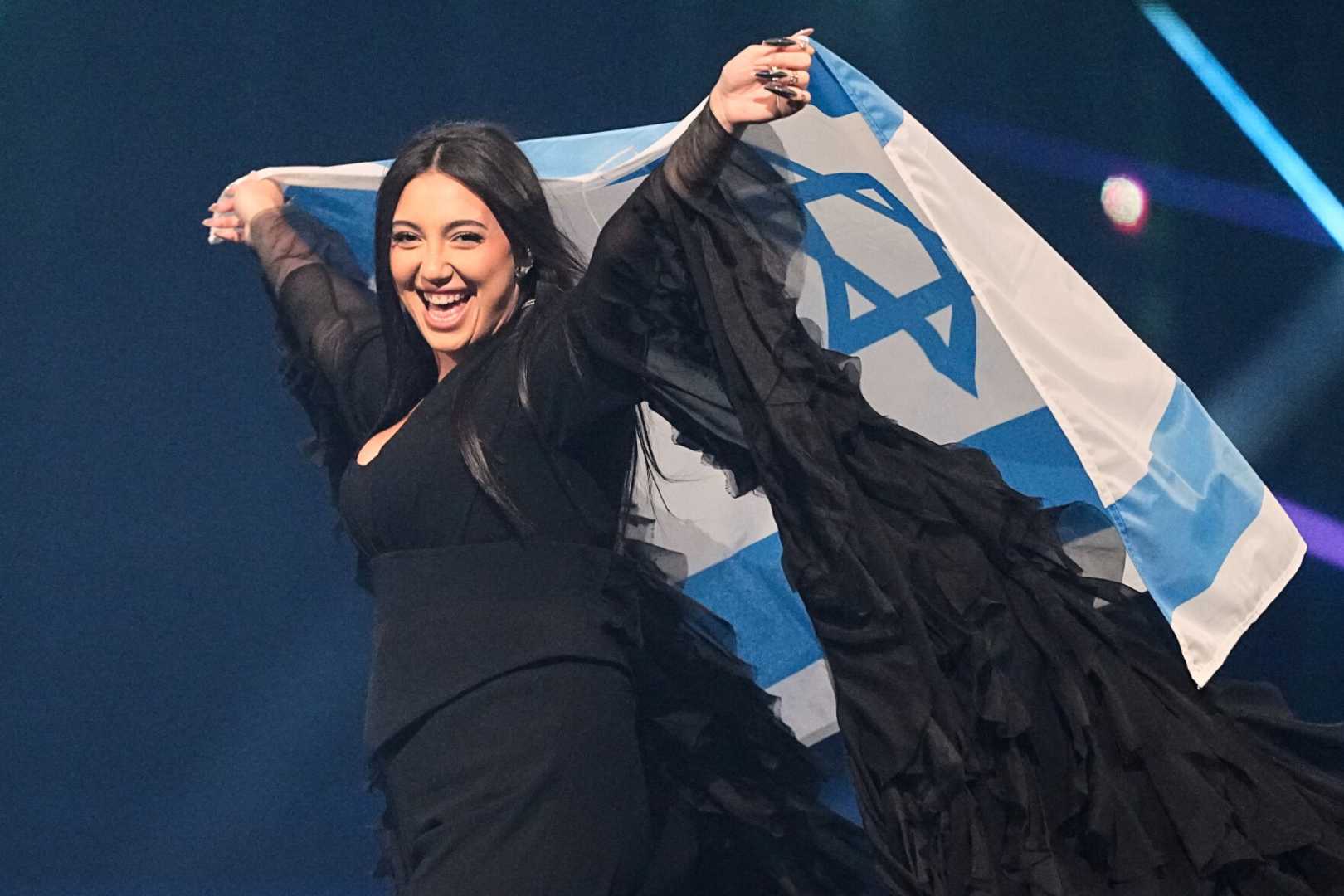
GENEVA, Dec 4 (Reuters) — Ireland, Spain, the Netherlands, and Slovenia will boycott the 2026 Eurovision Song Contest after Israel was cleared to compete. The European Broadcasting Union (EBU) decided against a vote on Israel’s participation despite calls from several countries for its exclusion due to the humanitarian impact of the war in Gaza and alleged voting irregularities.
Ireland’s national broadcaster RTE stated that their participation feels “unconscionable” amid the ongoing humanitarian crisis in Gaza. A spokesperson added that the decision reflects deep concern over civilian safety in the region.
The Dutch broadcaster Avrotros explained that participating under the current circumstances clashes with their core public values. Similarly, Spanish broadcaster RTVE confirmed that they would not participate if Israel was involved, citing a prior agreement made by their board in September.
RTVE highlighted a lack of trust in the festival organization and revealed that their request for a secret ballot on Israel’s participation was denied, intensifying their reluctance to engage further.
Slovenia’s RTV also maintained their boycott stance, emphasizing the importance of equal treatment for all EBU members.
Following the EBU’s decision, Israel’s President Isaac Herzog welcomed the outcome, expressing hope that Eurovision would continue to symbolize culture, friendship, and cooperation among nations.
Israel was represented by Yuval Raphael at the previous contest, where he secured a second-place finish. His entry, “A New Day Will Rise,” was performed against the backdrop of significant national trauma.
As tensions rise within the Eurovision community, the anticipated celebration of music may be overshadowed by political controversies surrounding participants, leaving many wondering about the future unity of the event.


