
Politics
Senate Hearing Reveals Divided Opinions on Cybersecurity Threat from Chinese Hackers

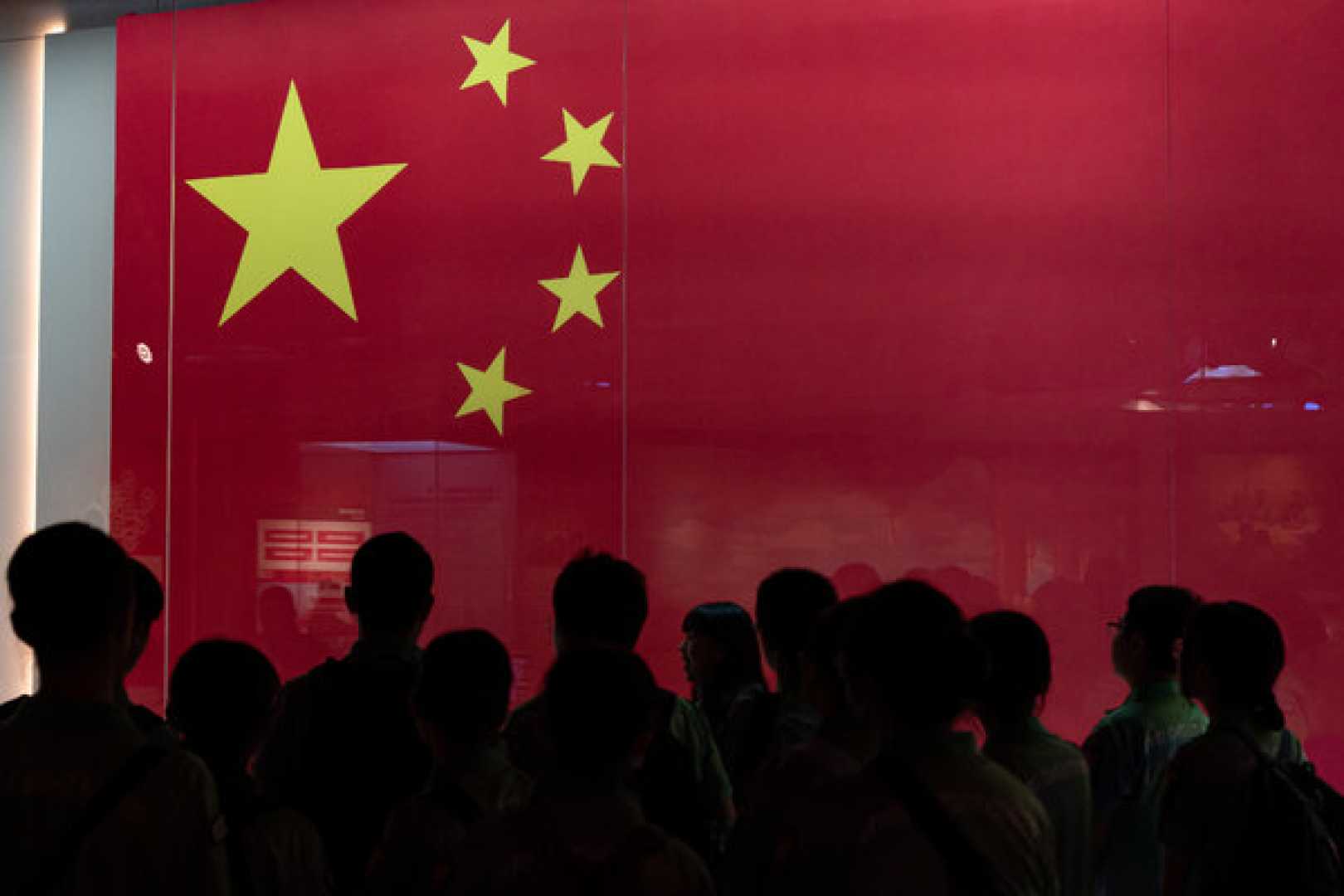
WASHINGTON, D.C. — A Senate hearing on cybersecurity Tuesday highlighted the ongoing threat from Chinese hackers, particularly regarding the Salt Typhoon operation that infiltrated major U.S. communications networks. Lawmakers and experts discussed the implications for national security as concerns over Chinese espionage grow.
During the hearing, experts shared differing assessments of the severity of the threat. Intelligence officials described the hacking as a form of traditional geopolitical espionage. However, Jamil Jaffer, executive director of the National Security Institute at George Mason University, emphasized that the scale of the hacking constitutes a systemic attack on crucial U.S. infrastructure.
Jaffer noted, “The reality is that our adversaries don’t know where our red lines are” in cyberspace, highlighting the need for better communication of boundaries to deter future intrusions. He criticized the government for insufficient preventative measures and advocated for stronger collaboration between the private sector and government.
Senate Commerce Committee Chair Ted Cruz, R-Texas, supported the Federal Communications Commission’s (FCC) recent decisions to withdraw two controversial regulations. One of these rules had interpreted an existing law as mandating telecom companies to protect their networks from foreign interception. Cruz argued that these regulations would distract telecoms from addressing real-world threats.
However, former FCC official Debra Jordan argued for the necessity of regulatory measures. She claimed that the previous rules aimed at proactive cybersecurity and should not have been discarded. Jordan asserted that without accountability mechanisms, there is little incentive for telecom providers to fortify their defenses.
Senator Maria Cantwell, D-Mass., expressed frustration that both AT&T and Verizon had refused to provide documentation regarding their cybersecurity plans in light of the attempts to breach their networks. “I believe the American people deserve to know whether China is still in our telecom networks,” she stated.
The hearing underscored the critical vulnerabilities within U.S. telecommunications networks. Senators, including Ben Ray Luján, D-N.M., criticized the FCC for failing to secure telecom networks following the Salt Typhoon breaches, arguing that the agency’s abandonment of regulatory power jeopardizes national security.
Luján warned, “I’m also concerned that schools, hospitals, libraries, police departments, and emergency responders are all exposed and do not have the resources to defend themselves against foreign adversaries.” The hearing concluded without a clear consensus on the best path forward, but the calls for increased cooperation and stronger regulatory frameworks were echoed among various committee members.


