
Health
COVID-19 Vaccines Linked to Improved Cancer Survival Rates

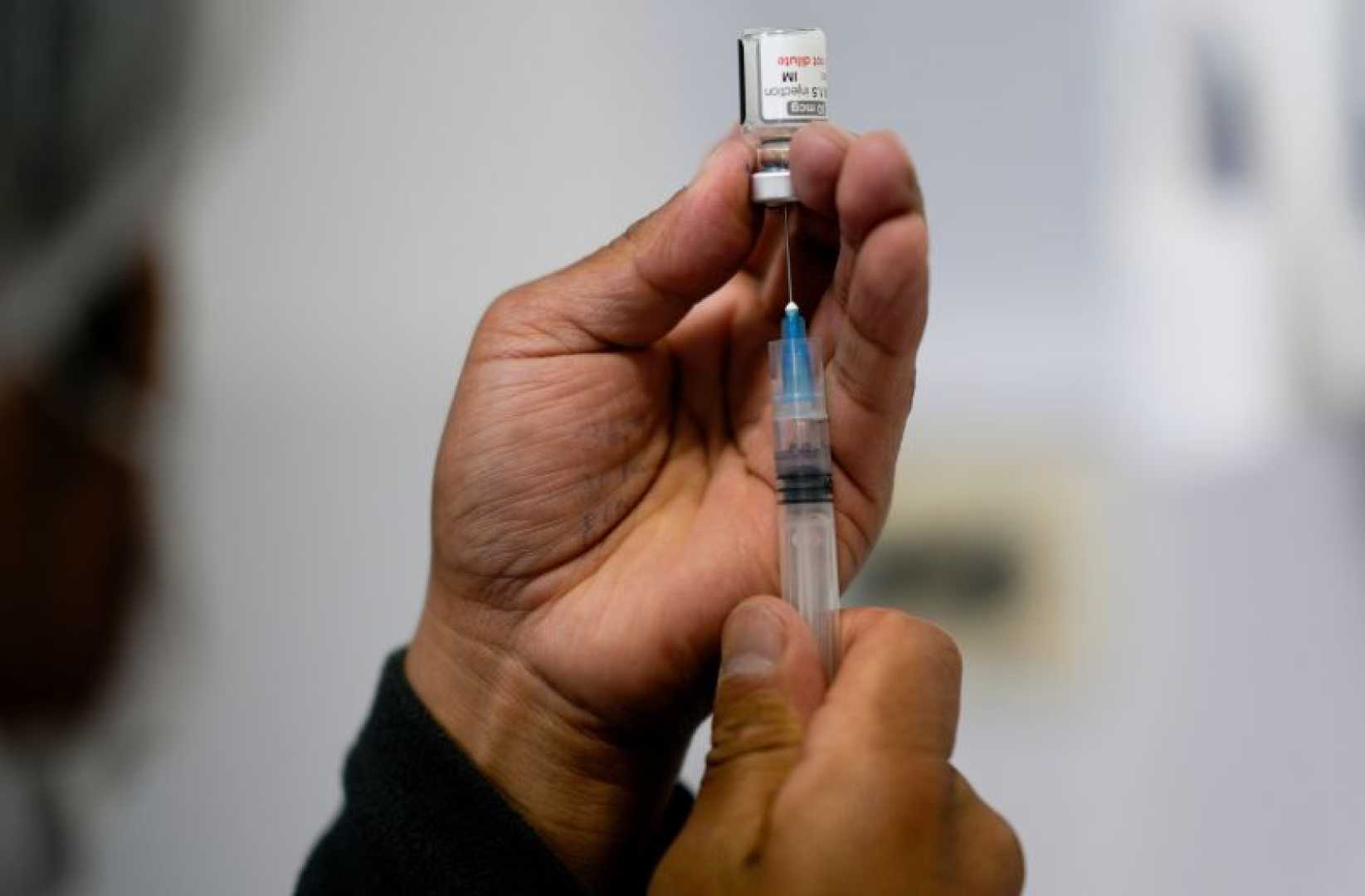
BERLIN, OCTOBER 19, 2025 – A new study presented at the European Society for Medical Oncology Congress indicates that COVID-19 mRNA vaccination significantly increases survival rates for patients with advanced lung or melanoma skin cancer who began immunotherapy treatment within the last 100 days. Researchers from the University of Texas MD Anderson Cancer Center conducted the study using data from over 1,000 patients treated between 2019 and 2023.
The study analyzed 180 lung cancer patients who received a COVID-19 vaccine within 100 days of starting immune checkpoint inhibitors (ICIs) and compared them to 704 patients who did not receive the vaccine. Among melanoma patients, 43 were vaccinated within this timeframe, while 167 were not.
Results showed that the median survival for vaccinated lung cancer patients increased from 26.7 months to a range of 30 to 40 months. For patients with metastatic melanoma, while median survival had not yet been reached for those who received the vaccine, those who did not had a median survival of 26.67 months.
“mRNA cancer vaccines sensitize tumors to immune checkpoint inhibitors by stimulating a surge in inflammatory cytokines,” the study authors explained. The data indicated a near doubling of overall survival among patients with non-small-cell lung cancer (NSCLC), with median overall survival rising from 20.6 months to 37.3 months for those who received the vaccine.
The findings highlight the potential of widely available, low-cost vaccines to improve immunotherapy outcomes. “We are hopeful that mRNA vaccines could not only improve outcomes for patients being treated with immunotherapies but also bring the benefits of these therapies to patients with treatment-resistant diseases,” said presenting author Adam Grippin, MD, PhD, of MD Anderson Cancer Center.
Researchers noted that some patients were still alive at the time of data collection, suggesting that the benefits of vaccination could increase further. Survival benefits persisted even after matching patients based on other factors like age and overall health.
Senior researcher Elias Sayour, MD, PhD, from the University of Florida, emphasized the study’s extraordinary implications, stating it could revolutionize cancer care. “This could essentially be a universal, off-the-shelf cancer vaccine for all cancer patients,” he said.
The study’s results are preliminary, and the authors caution that a phase 3 randomized clinical trial is necessary to confirm these findings. However, the potential impact on oncologic care is significant.


