
Tech
AI-Generated Videos Challenge Reality in Social Media

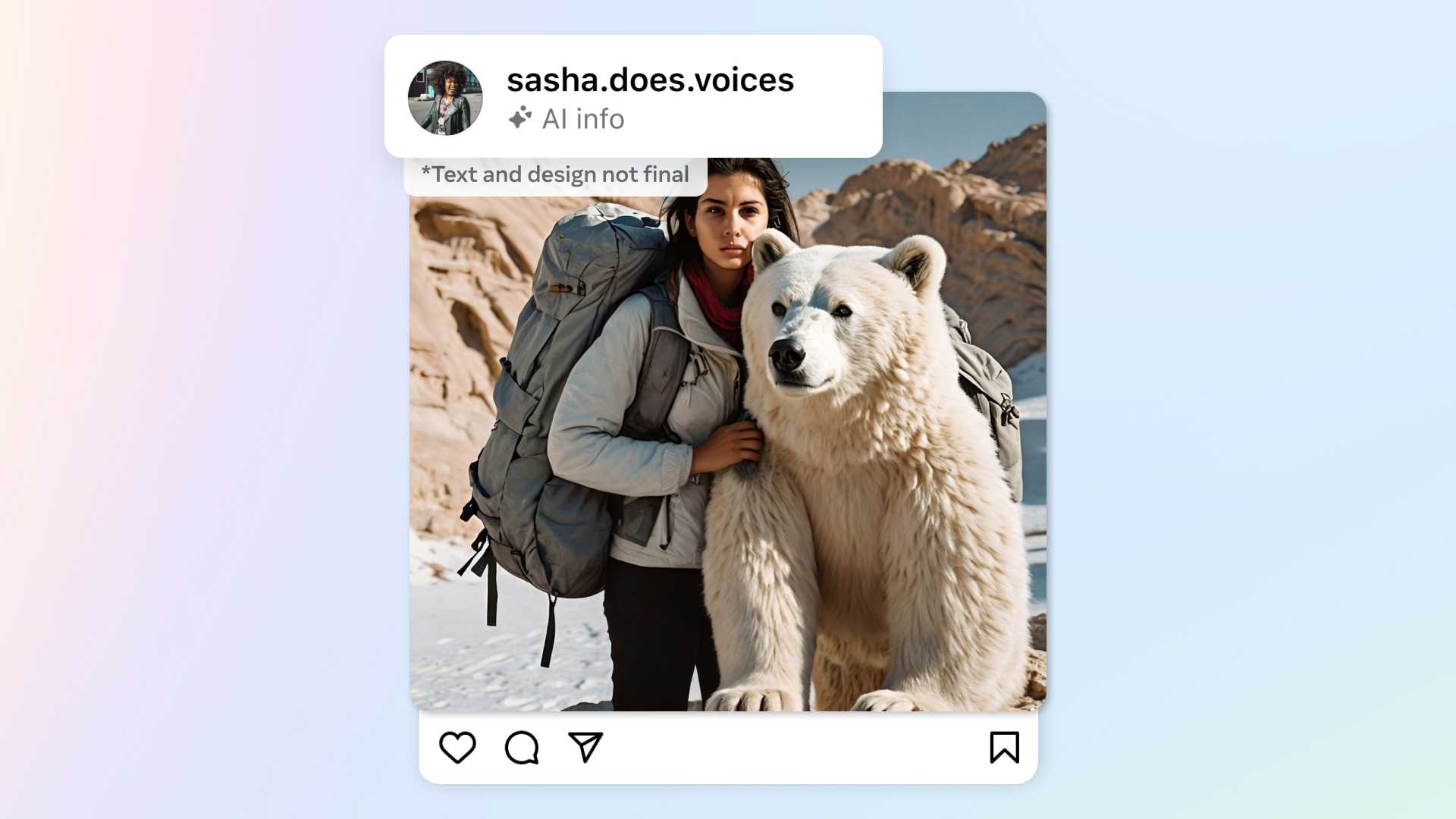
NEW YORK, NY – A recent shift in social media dynamics reveals a stark new reality about AI-generated content, as platforms brace for an influx of deceptively realistic videos. OpenAI‘s new Sora2 application allows users to create authentic-looking videos using text prompts, prompting worries over digital authenticity.
Users, including notable figures like influencer Jake Paul, have already started seeing themselves featured in fabricated scenarios. Paul’s recent appearance in whimsical AI videos, including one where he reportedly came out as gay, highlights how easily AI technology can blur the lines of reality.
“Once something is posted, it’s out there,” Paul noted, acknowledging that he is an investor in OpenAI and is aware of the implications of the technology he now showcases.
As Sora2 gains traction, videos with watermark removal are appearing on platforms like TikTok, making it increasingly difficult for viewers to discern true events from computer-generated fabrications. This trend signals a potential crisis for visual fact-checking.
The rise of AI-created videos has already started to lead to mistrust and skepticism, as highlighted by a New York Times article suggesting society will need to reconsider how it views visual media. Users may soon question nearly everything they see, treating videos as suspect as they do written media.
Meta’s Vibes and Google’s Veo are other players entering the AI video generation market, promising competition in providing users with the ability to craft visually convincing narratives. The implications for political campaigning could be immense; fabricated video evidence of events could disrupt trust in media altogether.
As AI technology progresses, the fear grows that misinformation could become more rampant. “Soon we won’t just disagree on opinions; we’ll be arguing over whether something happened at all,” warned a tech analyst.
Emily Amick, a lawyer and journalist, expresses concern over how AI video could fuel political discord, underlining the dire need for media literacy initiatives to help the public navigate this new landscape.
Our relationship with media has already shifted, and as we continue to explore the adoption of AI in video production, we face an unprecedented challenge to our shared understanding of reality.


